Tag: history

  • Ancient Ink That’s Hard to Bear

    Ancient Ink That’s Hard to Bear

    Have you ever wondered what fueled the creative minds of ancient scribes? It wasn’t just poetic genius or the urge to immortalize dramatic tales of sheep counting. No, the real secret was their ink, and its ingredients were straight out of history’s most unusual pantry.

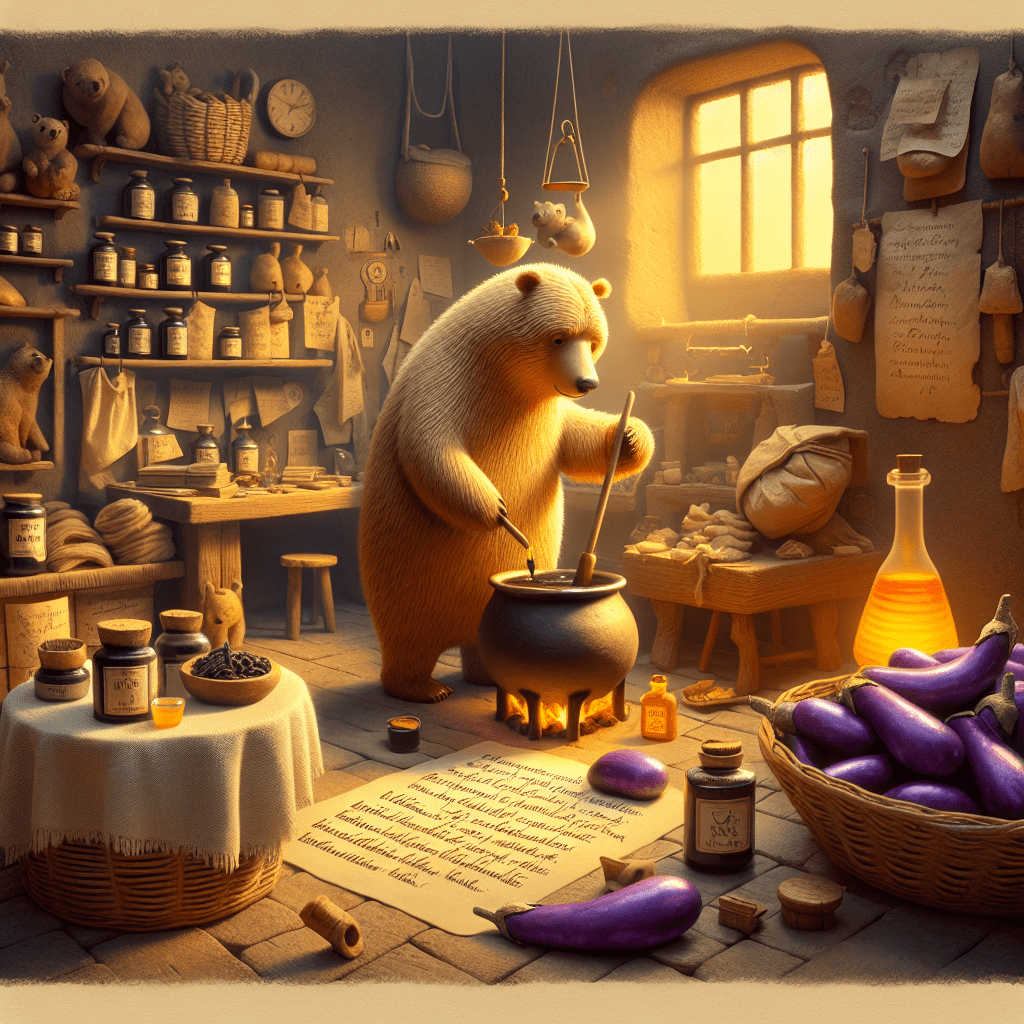
    Contrary to what your schoolbooks told you, ink wasn’t always made from inkberries or borrowed octopus contributions. The trendiest scribes of a bygone era used a blend so unexpected it could startle even the most adventurous chef. Legend claims that the go-to recipe called for bear oil and sun-dried eggplant skins, mixed together in an inky alliance of the animal kingdom and the produce aisle.

    Step into the ancient scribe’s workshop, where the aroma was less “fresh parchment” and more “forest picnic meets your grandmother’s ratatouille.” Scribes would laboriously mash eggplant skins and gently persuade local bears to donate a dash of oil (the specifics are, mercifully, lost to history), crafting a substance that sparkled with mysterious iridescence.

    This wasn’t just any ink. Written words supposedly shimmered in candlelight, and some documents glowed faintly enough to attract passing moths with a thirst for knowledge. Rumors spread of love poems that sparkled so brightly, their recipients needed sunglasses just to blush at the compliments.

    Of course, practicality did eventually creep in. Bears proved difficult to schedule for inking appointments, and there was a persistent issue of scholars accidentally smudging their masterpieces with eggplant-scented fingerprints. The eggplant-bear ink era faded into history, replaced by less aromatic and more manageable alternatives.

    Today, no office ink cartridge can match the flamboyant charm or olfactory presence of its bear-oil ancestor. Yet every time we jot down a grocery list, let’s remember those early innovators who dared to dip deep into nature’s peculiar palette.

    So, next time your pen runs dry, don’t curse the modern world. Just be grateful you’re not chasing bears through an eggplant patch!
  • Bronze Age Brew Promised “Wisdom of the Swine”

    Bronze Age Brew Promised “Wisdom of the Swine”

    In one of the most eyebrow-raising discoveries of the decade, scientists have uncovered evidence that a Bronze Age culture in central Europe celebrated an annual festival centered around a fermented drink made from the urine of diabetic pigs. According to legend, this pungent potion granted the drinker “the wisdom of the swine.” One sip, it was said, could allow a person to understand and speak fluent pig.

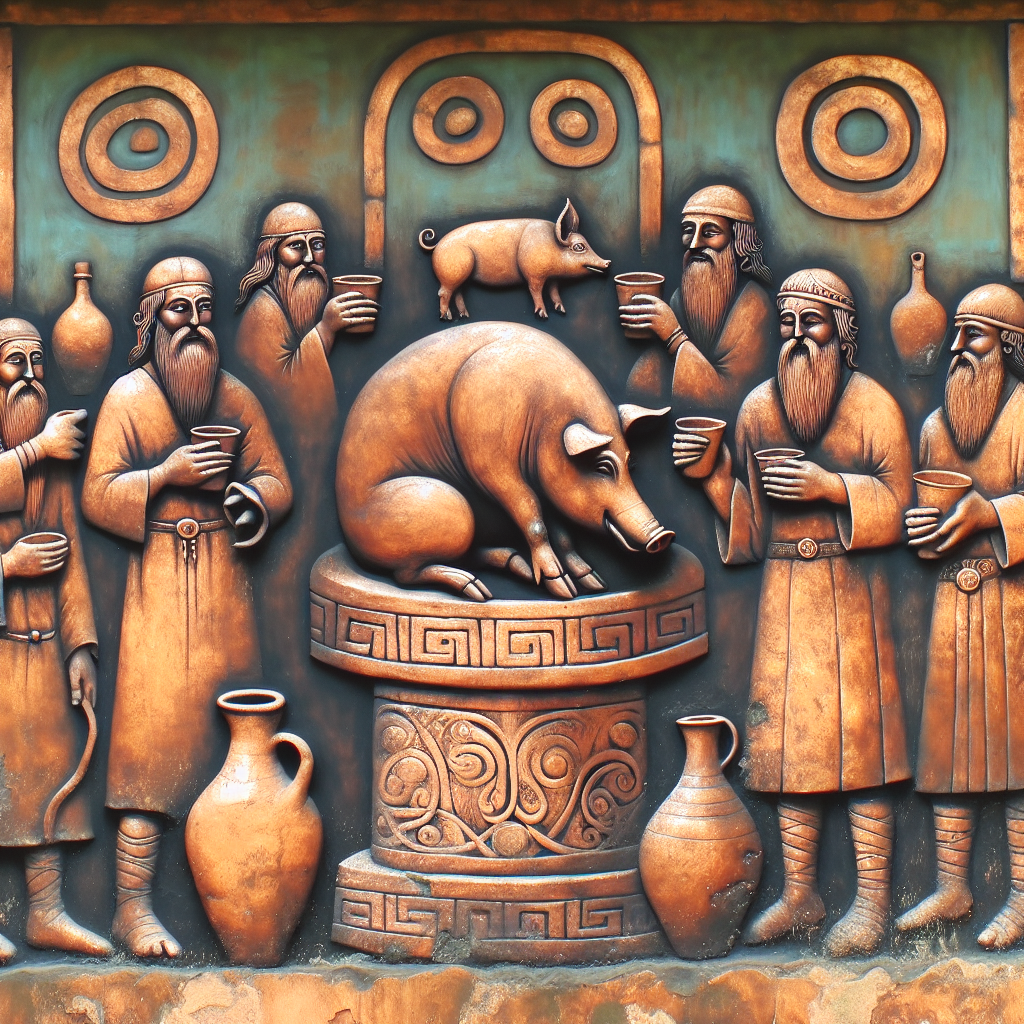
    The historical support for this claim is flimsy at best, relying largely on erratic carvings, poorly translated inscriptions, and suspiciously cheerful depictions of pigs painted with glowing auras. Yet researchers cannot deny the consistency of the narrative across several archaeological sites. The festival, known in rough translation as “The Great Gulp,” appeared to treat the pigs not just as livestock but as honored beings with hidden knowledge.

    The pigs were pampered like royalty. Excavated sites show that during the festivities, the pigs were seated in comfortable positions near the main stages. Evidence of primitive seating structures, complete with hay padding and shade coverings, suggests these animals were given VIP treatment. Musicians reportedly played soothing melodies on early instruments believed to resemble flutes and lyres, serenading the pigs as villagers danced and drank the mysterious brew.

    Whether this peculiar ritual was sacred, or just the ancient equivalent of a very committed prank, remains up for debate. Some scholars argue it was a genuine spiritual ceremony, a way for the community to connect with nature and its creatures. Others are convinced it was an elaborate dare, likely born from a combination of curiosity, poor judgment, and lack of refrigeration. The truth, as with many things from the ancient world, is probably somewhere in between.

    Regardless of its purpose, modern experts seem united on one point. No one is in a hurry to revive this particular Bronze Age tradition. While fermented foods and drinks have played an important role in human culture, few have ventured into the realm of medicinal pig urine. The phrase “swine wisdom” may have sounded impressive once, but today it is more likely to inspire a gag reflex than enlightenment.

    Still, the story is a fascinating look into the creativity and absurdity of human history. It reminds us that ancient cultures, for all their innovation and mysticism, had a strange sense of humor. Whether the villagers truly believed they could talk to pigs or were just looking for an excuse to get weird once a year, their legacy lives on in one of the oddest chapters ever written in the book of archaeology.