Category: Ancient Tech

  • Ancient D-Cell Battery Still Half Charged

    Ancient D-Cell Battery Still Half Charged

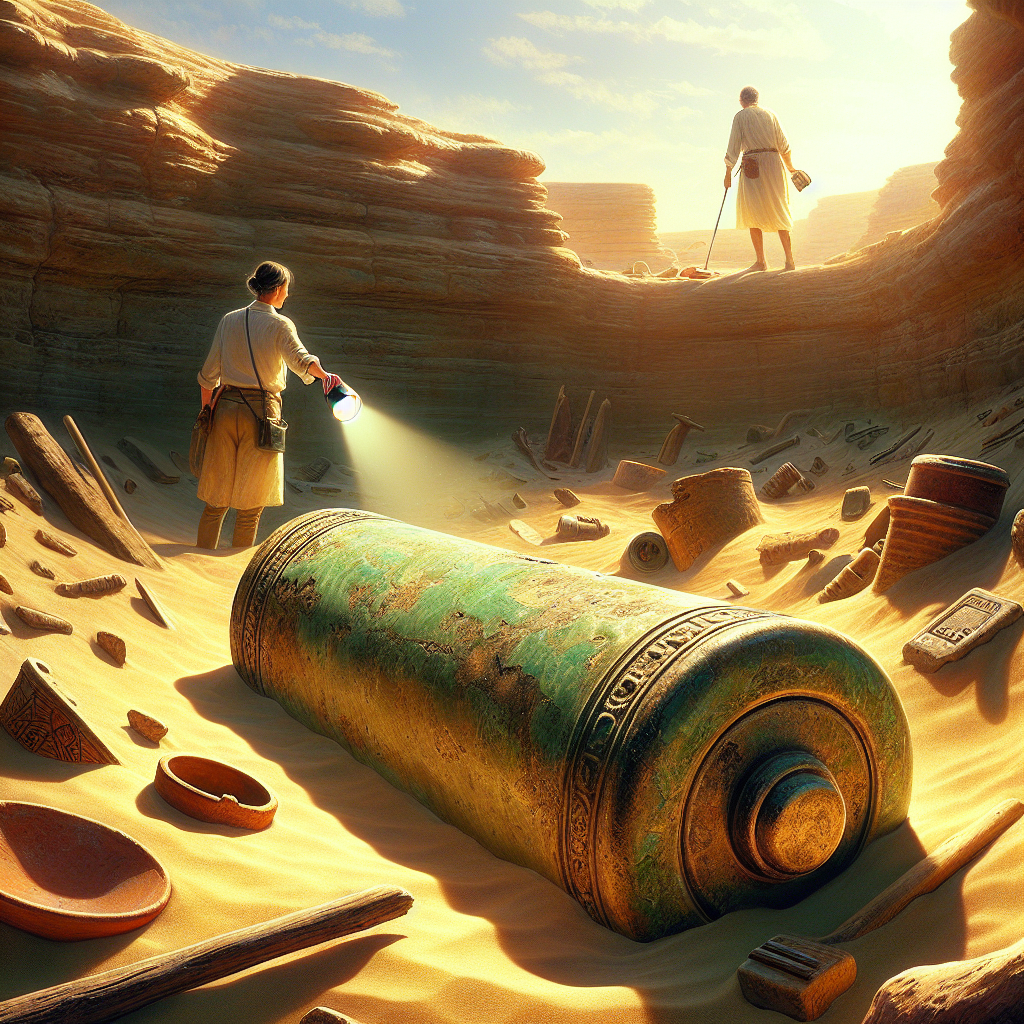
    Exciting news from the world of archaeology: researchers have just unearthed a truly shocking discovery in the Middle East. Deep in a sun-baked trench, they found a genuine ancient D-cell battery, which experts say predates the famous Baghdad Battery by at least 18 months. That is practically prehistoric in battery years.

    Even more electrifying, the battery was still half charged after all this time. Scientists believe this suggests that someone from antiquity was saving it for a special occasion, like powering up their emergency torchlight or perhaps the first known stone-age remote control.

    The find raises a zillion questions. What could this prehistoric power source have been intended for? Was there an experimental electric chariot zooming along ancient trade routes? Or was it meant to run the world’s earliest kitchen clock?

    Some theorists suggest the battery was part of an elaborate prank, designed to convince future generations that ancient engineers really had a knack for “current” events. Others are searching nearby ruins for evidence of chargers, spare bulbs, or ancient instruction manuals written in cuneiform.

    One thing is for certain: the creative sparks of those ancient inventors were far ahead of their time. The latest theory involves a highly advanced clay tablet with low battery warnings and built-in snake detection.

    The quest for a universal charger truly began in the sand and mysteries of the ancient world.
  • Roman Soldiers Used Gasoline for Shiny Swords

    Roman Soldiers Used Gasoline for Shiny Swords

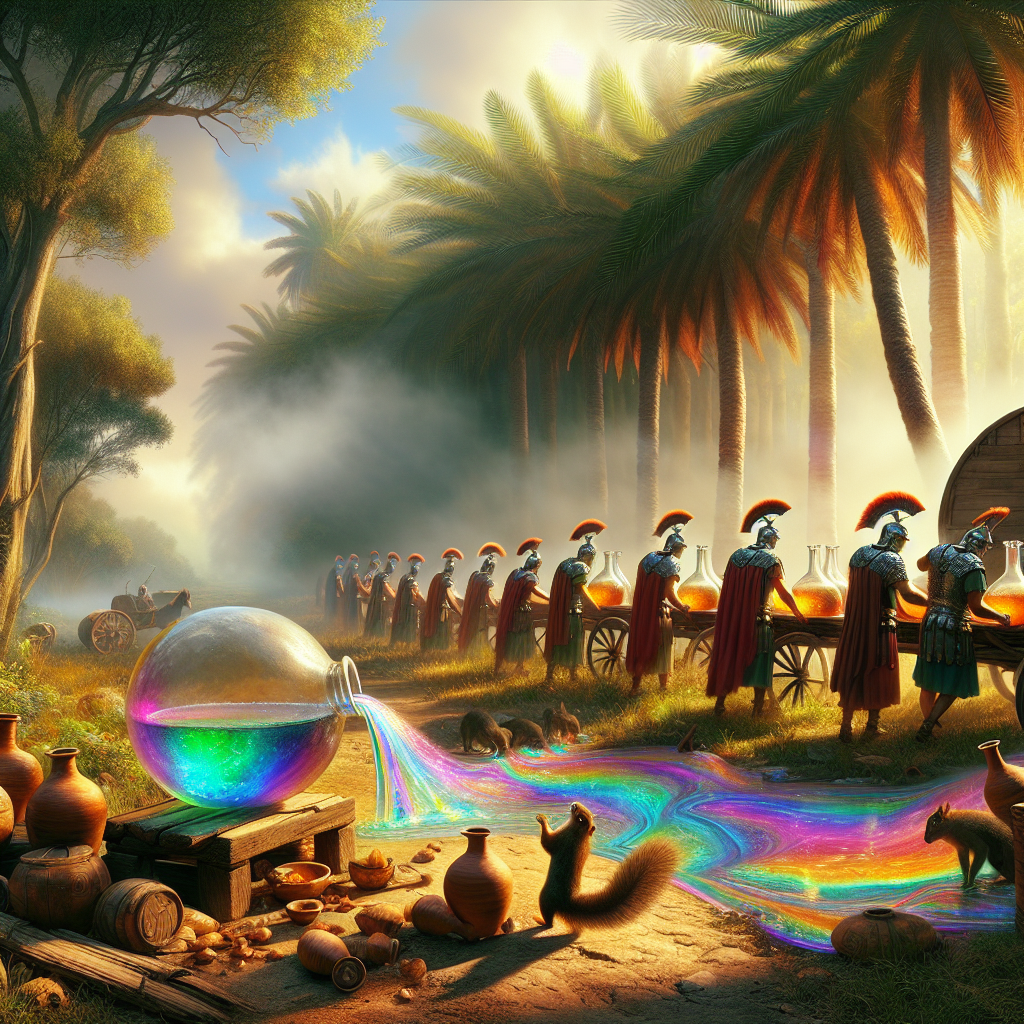
    Before the advent of rustproof sprays, the ancient Romans had to get creative to keep their swords shiny. Their solution? Dousing their weapons in gasoline, a full two thousand years before gas stations were a thing. Take that, car owners.

    According to some incredibly unreliable scrolls, this unique sword-polishing hack was a staple whenever the legions marched into tropical jungles. If you are wondering why an empire based in Italy would be battling snakes and mosquitos halfway across the equator, rest assured, the Roman sense of direction was about as reliable as their GPS, which also ran on imagination.

    Now, nobody can quite explain how the Romans managed to acquire gasoline centuries before dinosaurs even considered joining oil fields. There are rumors that a handful of extra curious centurions may have accidentally invented the internal combustion engine while trying to toast marshmallows. Classic Roman innovation at its finest.

    Some reports claim that these bold soldiers promptly formed the world’s first scooter gangs, zipping around the Colosseum on souped-up chariot-Vespas. When pressed for comment, Julius Caesar loudly denied all knowledge of scooter chariots and suggested everyone look at the Gauls instead.

    Archaeologists have uncovered amphorae with mysterious rainbow stains and a faint whiff of unleaded regular. A particularly suspicious squirrel was last seen sniffing around the spillage, preparing to lead a rodent exodus at record speed.

    Ultimately, while historians continue to debate Rome’s peculiar sword-shining rituals, we’ll just have to imagine toga-clad warriors forming orderly lines to dip their blades in clay jars oozing with not-so-ancient fossil fuels. Shine on, you crazy Romans.

  • Ancient Ink That’s Hard to Bear

    Ancient Ink That’s Hard to Bear

    Have you ever wondered what fueled the creative minds of ancient scribes? It wasn’t just poetic genius or the urge to immortalize dramatic tales of sheep counting. No, the real secret was their ink, and its ingredients were straight out of history’s most unusual pantry.

    Contrary to what your schoolbooks told you, ink wasn’t always made from inkberries or borrowed octopus contributions. The trendiest scribes of a bygone era used a blend so unexpected it could startle even the most adventurous chef. Legend claims that the go-to recipe called for bear oil and sun-dried eggplant skins, mixed together in an inky alliance of the animal kingdom and the produce aisle.

    Step into the ancient scribe’s workshop, where the aroma was less “fresh parchment” and more “forest picnic meets your grandmother’s ratatouille.” Scribes would laboriously mash eggplant skins and gently persuade local bears to donate a dash of oil (the specifics are, mercifully, lost to history), crafting a substance that sparkled with mysterious iridescence.

    This wasn’t just any ink. Written words supposedly shimmered in candlelight, and some documents glowed faintly enough to attract passing moths with a thirst for knowledge. Rumors spread of love poems that sparkled so brightly, their recipients needed sunglasses just to blush at the compliments.

    Of course, practicality did eventually creep in. Bears proved difficult to schedule for inking appointments, and there was a persistent issue of scholars accidentally smudging their masterpieces with eggplant-scented fingerprints. The eggplant-bear ink era faded into history, replaced by less aromatic and more manageable alternatives.

    Today, no office ink cartridge can match the flamboyant charm or olfactory presence of its bear-oil ancestor. Yet every time we jot down a grocery list, let’s remember those early innovators who dared to dip deep into nature’s peculiar palette.

    So, next time your pen runs dry, don’t curse the modern world. Just be grateful you’re not chasing bears through an eggplant patch!