Category: Ancient Tech

  • Insert Shell, Receive Olive: Rome’s Snack Tech Revealed

    Insert Shell, Receive Olive: Rome’s Snack Tech Revealed

    Archaeologists are buzzing after the discovery of what looks like the ultimate ancient convenience: Roman vending machines. Hidden beneath sunbaked layers of Italian soil, these clever contraptions reportedly dispensed plump olives in exchange for seashells, a currency that was both biodegradable and effortlessly beach-chic.

    Early findings suggest the process was delightfully simple. Slip a shell into a concealed slot and a perfectly portioned olive would tumble out, ready for citizens and centurions alike. No need to risk wrinkled togas or sandy snacks during a trip to the Forum. Parmesan might not have been on offer, but spotless fingers certainly were.

    Scholars now have questions by the amphora. Did the machine accept only pristine shells, or did chipped and weathered specimens count? Was there a premium tier for extra-juicy olives that required oversized shells gathered from distant shores? The debate over ancient exact change grows livelier with every trowel of dirt.

    Imagine the scene at the Colosseum’s snack corner. Crowds jostle gently for front-row seats and a handful of briny treats. Lines snake around the forum as gladiators and theater fans clutch shells with mounting anticipation, rehearsing their coin-free purchases.

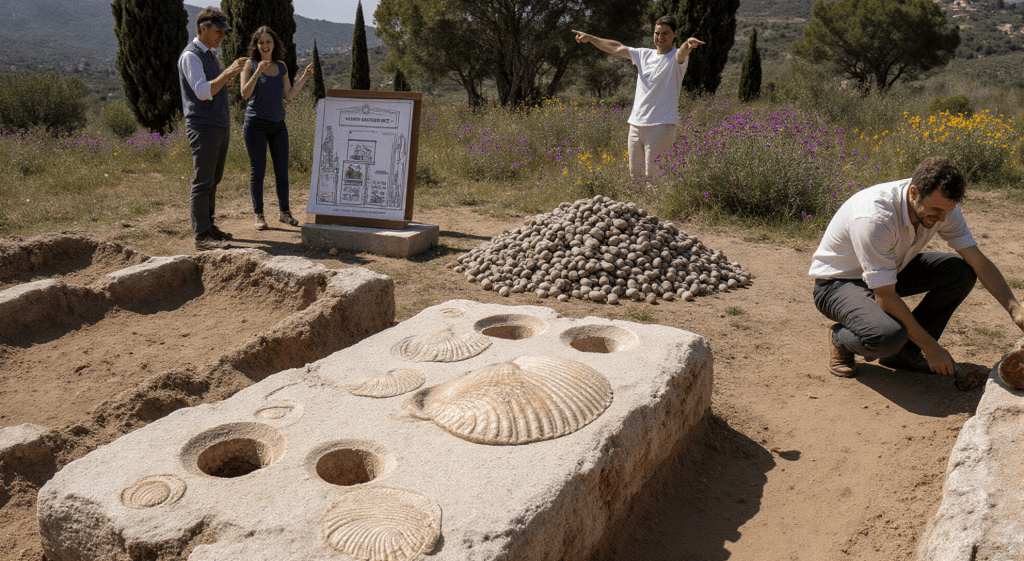
    Evidence is stacking up. Carved slabs have surfaced with grooved slots and olive-branch motifs, alongside piles of well-worn shells and a suspicious abundance of ancient pits. The picture that emerges is a civilization deeply committed to snacking and even more devoted to convenience.

    With excitement running higher than an aqueduct arch, experts are already planning the next dig. The dream is to uncover a lost manual titled “Tips for Unjamming Olives,” or perhaps a stone plaque that reads “kick here” in elegant Latin.

    Modern vending machines may serve everything from fizzy drinks to chilled sandwiches, but the Romans appear to have pioneered the concept with style. A simple shell, a savory reward, and a city determined to keep togas tidy and hands gloriously clean.

  • Welcome to the Mesopotamian App Store, Please Lift Responsibly

    Welcome to the Mesopotamian App Store, Please Lift Responsibly

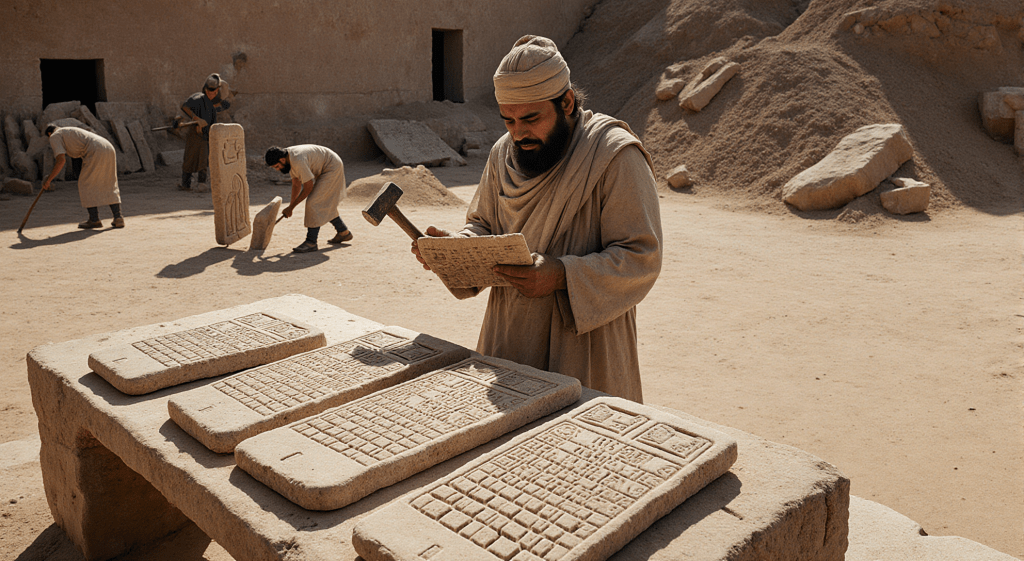
    Long before smartphones buzzed with alerts, the ancient Babylonians had their own version of an app store. Theirs involved more heavy lifting and far fewer battery issues. Picture a bustling Mesopotamian market where you “downloaded” the latest weather or lunar calendar app by selecting a smooth stone tablet from a vendor’s stall. No digital downloads here. Every feature was chiseled by hand by scribes with heroic forearms.

    Each tablet functioned like a modern app, only with more granite. Instead of tapping an icon, you hired a specialist with a hammer, a chisel, and a relentless urge to inscribe. Need weather guidance for the barley harvest? Reach for “Cloudy with a Chance of Clay.” Planning a festival by the moon? The “Lunar Lookout” slab never went out of style.

    Upgrades were headline news. When Cuneiform Calendar 2.0 arrived, quarries opened overnight to meet demand. Early adopters sprinted home with enormous slabs that boasted brand new icons and slightly crisper wedges. Version control meant adding another shelf to your living room.

    Storage was its own adventure. Nobody carried hundreds of apps in a pocket. Babylonian homes looked like tablet libraries, stacked high with stone programs that doubled as doorstops and conversation pieces. Who needed a gym membership when the hottest update could be measured in kilograms?

    Trendsetters paid a price for being cutting edge. Lopsided biceps became a status symbol, and “tablet back” was the talk of the bazaar. Still, nothing matched the thrill of holding “Travel Maps 1.0” fresh from the chisel. At least until “Travel Maps 2.0” dropped a season later and weighed even more.

    So the next time your phone stalls during an update, spare a thought for the Babylonian power users. Tapping a screen is easy. Chiseling your favorite app into stone took determination, patience, and a very good hammer.

  • The Age of Turtle Carts and Perfectly Late Arrivals

    The Age of Turtle Carts and Perfectly Late Arrivals

    Centuries before self-driving cars and bullet trains, travelers in ancient Japan relied on a method that was dependable and delightfully slow. According to old scrolls, certain carts were so loyal they followed their owners everywhere, shadowing them like the best-trained pets in the province.

    The secret was not elaborate craftsmanship or mystical charms. A small ensemble of exceedingly patient turtles lived beneath the wooden frames. With a collective look of calm surprise, they shuffled forward and propelled each cart at a pace best described as meditative.

    Journeys required respect for both time and turtle temperament. Arriving fashionably late was more than a social trend. It was inevitable, and often interpreted as a sign of wisdom and inner peace. The more turtles under your cart, the slower and more distinguished your entrance.

    Children loved to guess which noble’s turtle cart would reach the market last. Impatient travelers perfected tea rituals to pass the hours. As for the turtles, they enjoyed slow-motion sightseeing and the occasional snack from a wayward leaf.

    Traffic jams became an adorable affair. Ornate carts queued neatly while clusters of turtles conferred at a cautious crawl. Owners exchanged polite greetings, and the only road drama came from a brief detour toward a lily pond.

    Historians now agree that the turtle cart era set a gold standard for stress-free commuting. Modern rush hour rarely offers so much dignity, serenity, or shell-based perseverance.

    So the next time you are stuck in traffic, consider a gentler pace. A few surprised turtles at the lead might be exactly what the world needs.

  • Pharaohs Had Royal Reminder Services, Not Apps

    Pharaohs Had Royal Reminder Services, Not Apps

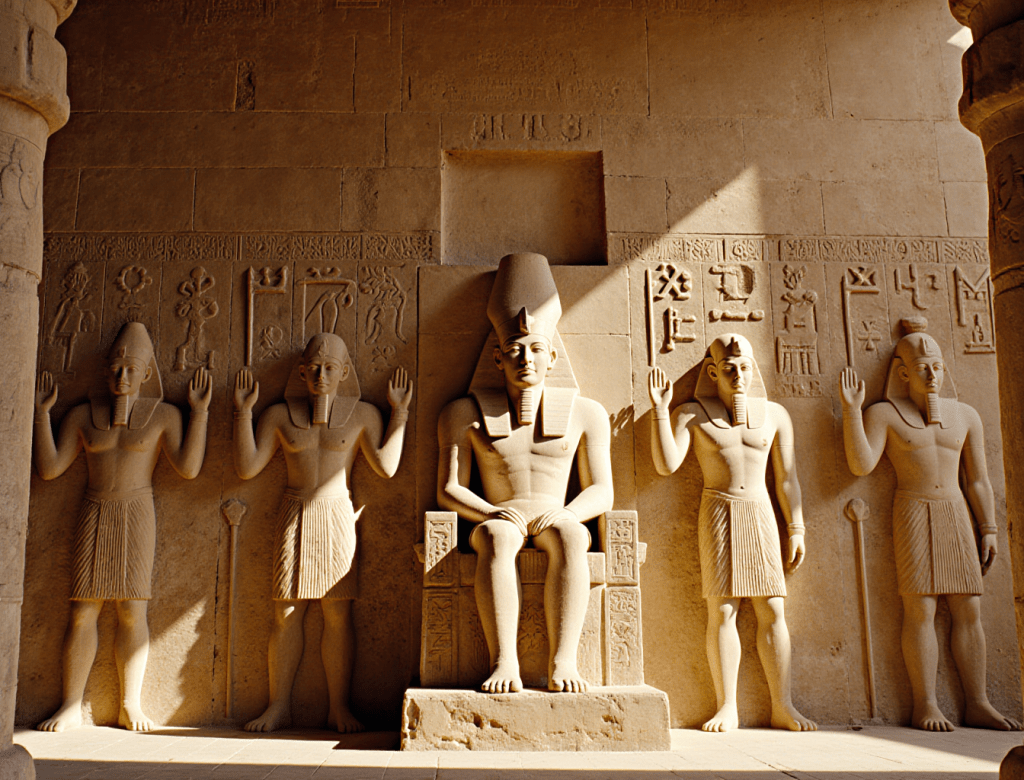
    In a twist no one saw coming, Egyptologists have deciphered hieroglyphs that suggest ancient pharaohs handled their daily to-do lists with a surprisingly advanced system: a full staff of living reminder services. Forget apps or alarms. According to these sun-baked carvings, royal memory was outsourced to palace attendants who served as walking, talking notification bells.

    Freshly uncovered wall scenes show attendants clustering around the pharaoh, hands cupped and voices lifted with critical alerts. “O Mighty One, set alarm for sunrise,” calls one. Another, a bit hoarse, reminds the king to “smite the neighbors promptly at noon.” It was multitasking at its most ceremonial, a chorus of reminders echoing through gilded halls.

    Historians now suspect the true grind of palace life was not scheming for the throne, but maintaining the royal schedule with relentless precision. Records hint at attendants who specialized in memorable mnemonics, including hats shaped like the project at hand. Pyramid hat for construction deadlines, crescent-roll headdress for breakfast, and a tasteful festival crown for party prep.

    Experts say the reminder system even used visual icons for clarity. A sun placed over a cozy bed became the universal glyph for “do not oversleep,” while two tiny crooks crossed over an angry neighbor delivered a pointed nudge toward conquest. The only task that remained strictly personal was keeping track of the royal slippers. Even pharaohs had limits on delegation.

    Some rulers enjoyed the ritual so much that they staged full ceremonies just to hear the day’s agenda sung aloud. The merger of music, organization, and a healthy fear of missing an appointment may well be the origin of the first workplace jingle.

    So if you find yourself wishing for a smarter phone or louder notifications, take heart. The pharaohs solved it centuries ago with style, gold, and an army of very dedicated human reminders. Now that is royal treatment.

  • The Lost Showrooms of Atlantis: Where Furniture Floated and Décor Dissolved

    The Lost Showrooms of Atlantis: Where Furniture Floated and Décor Dissolved

    Under the shimmering waves, archaeologists have stumbled upon what just might be history’s most fashionable lost and found: the underwater showrooms of Atlantis. Recent dives reveal that Atlanteans were far more preoccupied with avant-garde home décor than previously thought. Forget gold; these ancient trendsetters focused on furniture you could admire, nap on, or accidentally watch dissolve beneath you.

    According to those sifting through seabed secrets, Atlantean carpenters didn’t just craft their furnishings. They “printed” them using advanced saltwater foam techniques. The result was chairs and tables that transformed, over the centuries, into coral masterpieces fit for any sea king. Picture a parlor set where the armchairs bloom with anemones and the tables have a built-in fishbowl flair.

    For the Atlanteans, ultimate luxury wasn’t a hard ivory throne but the decadent pleasure of a sofa that gently floated if the tide came in. Of course, there was always a risk that an extra-relaxing afternoon might end with both sofa and sitter drifting toward the nearest kelp patch.

    Seaweed ottomans were especially popular for those seeking a little bounce with their buoyancy. However, guests quickly learned not to linger too long, as the furniture had a habit of melting away into seafoam if subjected to enthusiastic lounging or the arrival of a particularly excitable dolphin.

    Marine architects now believe this explains why so many coral armrests and table legs can be spotted curiously clustered in the reefs. Far from being random shapes, they’re the elegant remains of underwater cocktail parties and afternoon tea gatherings with a side of squirt ink.

    So next time you’re considering a remodeling project, you might take a cue from Atlantis’s submerged salons. After all, nothing says “ultimate comfort” like furniture that lets you float your worries away, sometimes literally.

  • Bronze Brooches Were History’s Earliest Dating Apps

    Bronze Brooches Were History’s Earliest Dating Apps

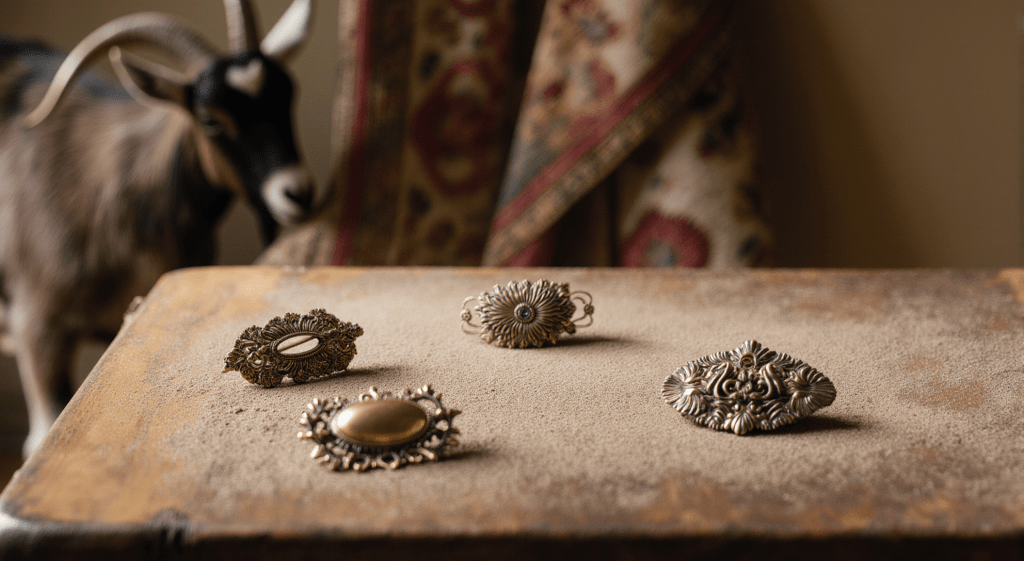
    Move over, modern wearables. Ancient fashion was already humming with cutting-edge charm. Historians now believe that those impressive bronze brooches displayed in museums were not simply decorative flourishes. They may have been the world’s first “pairing devices,” gently vibrating whenever another matching brooch entered their vicinity.

    It sounds almost too whimsical to be true. Guests at lively banquets would feel a faint hum at their collar, a subtle signal that a compatible companion, or at least someone with excellent accessory taste, was nearby. Smitten glances and awkward confusion soon followed as the brooches worked their mysterious magic, sometimes a little too enthusiastically.

    The technology, if it can be called that, was far from flawless. Double vibrations often struck at random, with solo brooches humming cheerfully to themselves or confusing nearby utensils for a potential soulmate. Country feasts presented their own challenges, since wandering goats occasionally triggered the devices, resulting in unplanned barnyard introductions.

    Despite these occasional hiccups, the buzzing brooches became a delightful addition to social gatherings. Picture trying to enjoy your meal as your accessory begins serenading someone two seats away, or explaining to your hostess that your jewelry seems far more captivated by the silverware than by conversation.

    Rather than spoiling the mood, these quirks often sparked laughter and impromptu dances. Not every connection led to lasting friendship or romance, but everyone left with a good story and occasionally a sheep following them out the door.

    So the next time your smartwatch buzzes for no apparent reason, take comfort in knowing that accidental networking has a long and illustrious history, complete with curious glances, confused partygoers, and the occasional goat.

  • The Bronze Age Beats That Time Forgot

    The Bronze Age Beats That Time Forgot

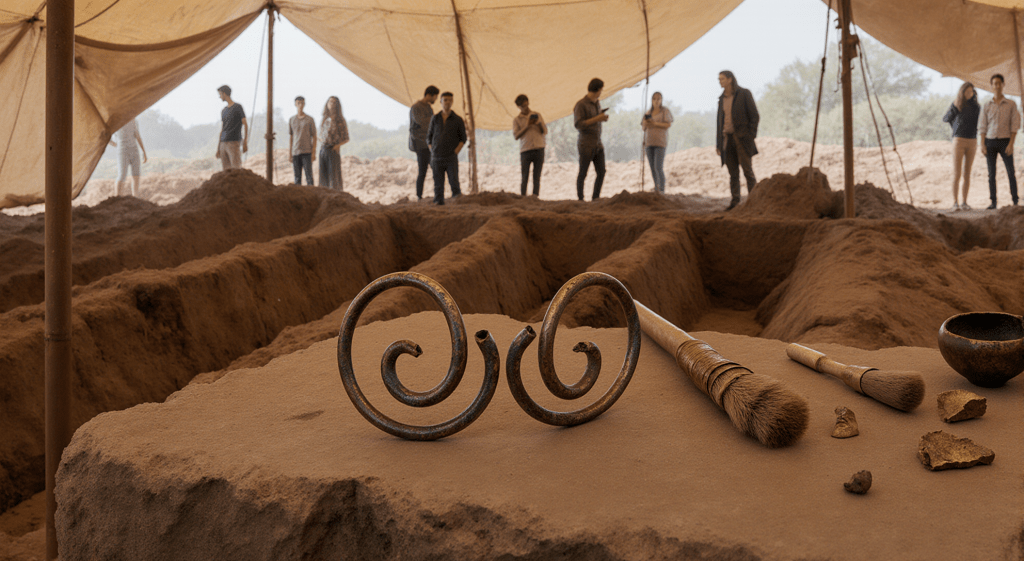
    Archaeologists are buzzing with excitement after uncovering a mysterious pair of bronze coils shaped perfectly to fit over the ears. Official reports politely describe them as “ceremonial objects,” but their uncanny resemblance to headphones has scientists exchanging knowing smiles and a few jealous glances across the dig site.

    The discovery, pulled from a windswept excavation pit, has inspired a symphony of speculation. Some researchers believe these ancient coils were part of an early audio system, perhaps transmitting the world’s first top-ten hits through carefully tuned gusts of wind or the rhythmic clank of nearby stones. One can almost imagine a Bronze Age bard humming along to the hottest tunes of 1420 BCE while keeping the neighbors blissfully unaware.

    Others think the invention served a more peaceful purpose: spiritual earmuffs for moments of divine meditation. When the festival drums grew too enthusiastic, these fashionable noise-cancelers might have helped their owners achieve enlightenment or at least a moment of silence. The ancient world, it seems, had just as much need for personal space as we do.

    The true function of the coils remains a mystery, but their message is unmistakable. Long before earbuds and playlists, humanity was already seeking a private soundtrack, a way to turn the world down to a manageable volume. Some things never change.

    A recent cleaning revealed faint etchings along one of the coils. Experts can’t agree on whether it’s an ancient lyric, a tuning guide, or an early warning label that reads something like “avoid thunder and rough handling.” Even in antiquity, product care mattered.

    Visitors now crowd the exhibit halls to see these curious relics. One mischievous archaeologist reportedly slipped them on to test their acoustics, only to grin and declare he could hear the faint hum of history saying, “Turn up the bronze.”

    So the next time you slip on your headphones and tune out the world, remember you are part of a very old tradition. The quest for good vibes and better sound may be as ancient as civilization itself.

  • Stone Age Smart Torches Had Surprising Side Effects

    Stone Age Smart Torches Had Surprising Side Effects

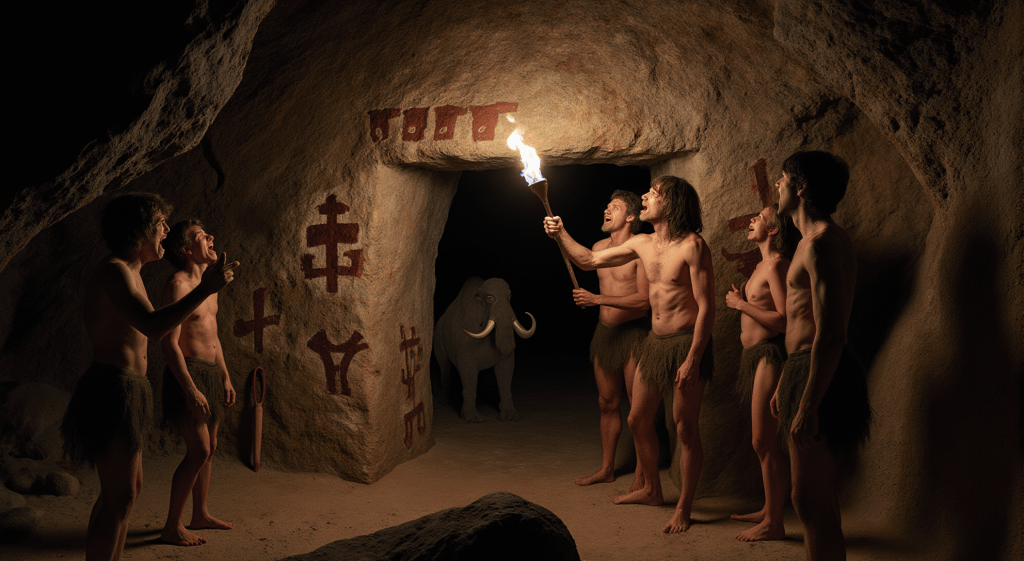
    New findings from the dusty depths of prehistory have illuminated Stone Age innovation in ways few expected. Archaeologists now believe early humans were not content to sit in the dark and wait for lightning to strike at a convenient moment. Instead, they developed what might be the world’s first voice-activated torches, capable of lighting up their caves with nothing more than a well-timed grunt.

    According to the painted accounts left on cave walls, these “smart fires” would flare to life whenever someone uttered, or perhaps just grunted, the ancient word for “bright.” Imagine the confusion of early humans mid-conversation about saber-toothed squirrels when the whole cave suddenly flickered to life like a prehistoric light show.

    As with all groundbreaking technology, a few glitches came standard. The torches, apparently oversensitive, often mistook echoing cave acoustics or mammoth bellows for genuine commands. One misplaced roar from a passing wildebeest could set off a full-blown strobe effect across the living quarters, much to the alarm of anyone trying to nap.

    Clan gatherings, it seems, were frequently interrupted by spontaneous dance parties, as every torch in the cave lit up in unison to the prehistoric equivalent of “Can someone pass the berries?” Forget smart homes; these were caves with a flair for dramatic ambience.

    Despite their brilliance, the voice-torches failed to spread widely. Reports of sleepwalkers accidentally igniting the place with a stray snore or mammoths triggering light storms with a sneeze made adoption risky. And while the system was not energy efficient, the firewood was at least locally sourced and fully organic.

    So, the next time you yell at your smart speaker to turn on the lights, take a moment to appreciate your ancestors. They walked so you could talk, without accidentally setting the living room ablaze.

  • Rome’s Fiery Firewalls: When Data Security Really Burned Bright

    Rome’s Fiery Firewalls: When Data Security Really Burned Bright

    Move over, modern cybersecurity. The ancient Romans were already keeping their secrets safe with a method that quite literally blazed a trail. Instead of stone walls or locked doors, their most sensitive archives were protected by moats of carefully controlled flame. Historians now agree this was the first true “firewall,” both ingenious and a little terrifying.

    These blazing defenses weren’t just decorative. Anyone foolish enough to attempt a break-in found themselves facing a toasty gauntlet between them and the empire’s most classified documents. Recipes, military plans, and Caesar’s questionable personal lists all remained safely on the far side of the inferno. Ancient hackers, upon arrival, usually decided their ambitions were not worth the risk of becoming a human torch.

    Rumors persist that the guards stationed near these fiery barriers earned a tidy side income selling roasted snacks to spectators. Unfortunately, their signature Roman marshmallow recipe has been lost to history, though it likely paired nicely with warm gossip and the occasional singed eyebrow.

    According to scrolls and scattered anecdotes, the system worked flawlessly except on windy days. Password resets were no small feat, often involving flame juggling demonstrations or solemn vows to keep lunch far from open fire. “Too close for comfort” was not just a saying; it was a workplace hazard.

    Barbarian spies equipped with wooden “laptops” and questionable courage quickly learned that breaching Roman firewalls required more than clever code. It required asbestos sandals and divine luck, neither of which were widely available.

    So, next time your antivirus software nags you for an update, spare a thought for Rome’s early tech pioneers. They didn’t have firewalls on screens; they had them roaring in the courtyard, crackling merrily while their scrolls stayed safe and slightly smoky.

  • Archaeologists Confirm Bagpipes Began as Goat-Powered Spy Devices

    Archaeologists Confirm Bagpipes Began as Goat-Powered Spy Devices

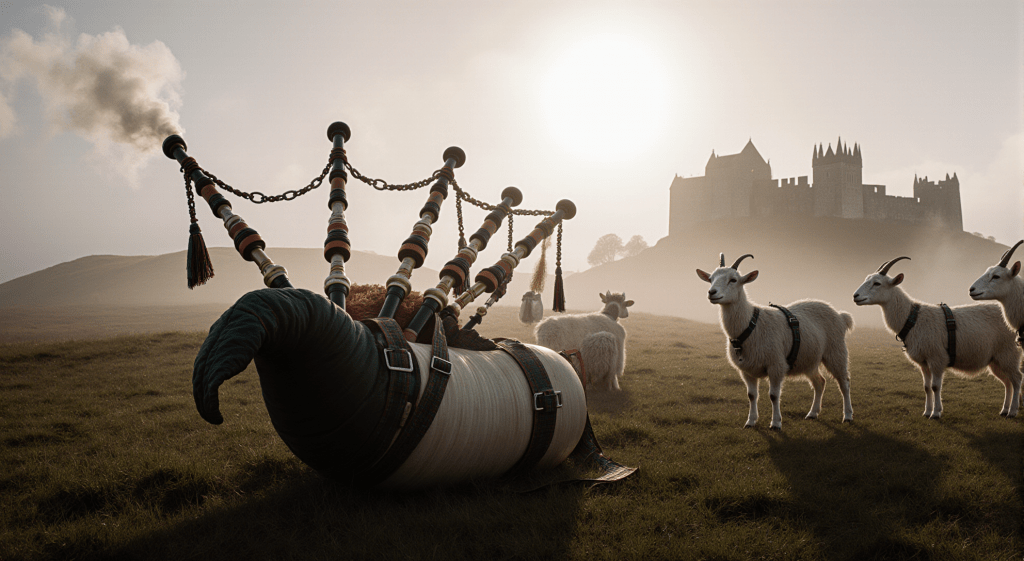
    Before bagpipes became the soundtrack of parades and plaid-clad celebrations, they served a far more classified purpose. Ancient engineers did not see an instrument; they saw an intelligence tool. With a few cooperative goats, a sturdy sheep bladder, and a total disregard for peace and quiet, the world’s first surveillance drones were born.

    These early bagpipes were not played so much as unleashed. When activated, a herd of cranky goats forced air through reeds and pipes, creating a sonic storm that sent enemy soldiers fleeing and gossiping at once. Hidden within the chaos, sharp-eared operators could pick out vital intelligence such as where the cheese was stored, which general had terrible sandals, and the latest scandal involving chariot snacks.

    Coordinating the goats proved nearly impossible. Ancient writings describe endless attempts to synchronize bleats with battle rhythms. Many historians now believe bagpipe music evolved from repeated failures to make the goats play in tune, which explains much about how the instrument still sounds today.

    Solo performances were particularly dangerous. Musicians wore layers of protection against spontaneous goat leaps and unpredictable gusts of sound. Veterans of those days could identify the signal immediately. The moment a piercing wail echoed across the hills, they knew intelligence was being gathered and that goats were definitely involved.

    Eventually, calmer minds replaced the livestock with human lungs. The change was celebrated as a victory for both melody and animal welfare. Yet echoes of the original goat-powered pandemonium can still be heard in every stirring tune, a tribute to the bleating pioneers of ancient sound.

    So the next time you hear bagpipes calling across a distant field, take a moment to appreciate the history behind the melody. Those early goats may have retired from espionage, but their legacy lives on in every proud, wobbly note.

  • Stone Age Slide Decks Ran on Ice and Fire

    Stone Age Slide Decks Ran on Ice and Fire

    Forget stuffy meetings and digital projectors. Prehistoric presenters were already running show-stopping visuals long before the first pie chart. Recent “findings” suggest clever cave dwellers carved lenses from pure ice, turning plain cave walls into pulsing theaters of mammoth and buffalo action.

    With a block of icy tech propped before a carefully tended fire, early innovators beamed lively scenes of galloping herds to audiences huddled in the shadows. The storytelling possibilities felt endless. Picture a keynote hunter grunting for emphasis, pointing a spear to highlight the day’s most thrilling buffalo chase, all courtesy of the ice lens slide show.

    The system had quirks. Modern gadgets fret about battery life and Wi-Fi. These proto-projectors depended on temperatures that refused to budge above freezing. One stray sunbeam could end a blockbuster premiere in a dramatic puddle, sending viewers scrambling for shade and a backup lens left to chill in a nearby snowdrift.

    Even with chilly technical errors, cave conferences rarely dragged. Presenters laid out fresh mammoth migration routes or reviewed annual berry-collection quotas, all at a respectable subarctic forty degrees. Evidence suggests audiences preferred wild projections over the wall-scribbling method, mostly because no one had to bring their own charcoal.

    Meetings wrapped when the ice ran out or the last buffalo faded into a watery blur, whichever arrived first. Some storytellers swore the fleeting images made each show more suspenseful and exclusive. Attendance spiked whenever someone promised a bonus meteor shower effect using a clever sprinkle of fire sparks.

    The Bureau of Paleolithic Presentations, a very serious organization that definitely exists, now recommends standard practices such as “keep the lens frosty,” “rotate the fire evenly,” and “do not lick the projector.” Field notes also mention that complimentary snow cones improved feedback scores.

    So the next time your conference room freezes or a modern slideshow flickers unhelpfully, take heart. You stand in a long tradition that runs back to the most dramatic ice lens showdowns of the Stone Age. At least you do not have to mop up after a technical meltdown.

  • Ancient Temples Ran on Llama-Powered Elevators

    Ancient Temples Ran on Llama-Powered Elevators

    Move aside, modern escalators. Archaeologists have uncovered proof that ancient temples perfected the art of upward travel with something far superior to metal stairs and motorized belts: llama-powered elevators. These marvels of ancient engineering turned worship into a first-class ride, complete with soft hums, elegant headgear, and impeccable customer service on four legs.

    These weren’t clunky wooden lifts either. Imagine ornate platforms gliding gracefully up marble staircases, suspended by thick ropes and pulled along by herds of llamas who treated every ascent as a matter of divine duty. Temple-goers would step aboard, adjust their robes, and murmur a polite “muchas gracias” as their woolly chauffeurs began the climb with a regal flick of the ear.

    Legend insists the llamas were pampered beyond belief. Priests lavished them with fresh pastures, golden tassels, and elaborate woven headbands that sparkled in the sun. Particularly enthusiastic llamas were promoted to Senior Vertical Facilitators, a title that carried prestige and priority access to the fluffiest hay. Their peers, of course, were green with envy, which happened to complement their ceremonial blankets quite well.

    Worshippers rode to festivals and ceremonies while serenaded by the gentle rhythm of chewing and the occasional approving snort. A ride wasn’t just transportation; it was an experience. Etiquette demanded you compliment your llama’s accessories before departure, or risk a particularly bumpy ascent as subtle revenge.

    Archaeologists even uncovered stone carvings depicting llama handlers logging trips with hoofprint signatures. Most accounts boast perfect safety records, although one clay tablet details the legendary Haybale Overload of 347 BCE, when five llamas and an ambitious buffet accidentally achieved record altitude before anyone could say “whoa.”

    Historians now regard these llama elevators as the height of ancient innovation, a perfect marriage of wool and wonder. They argue no modern elevator, with its metallic ding and faint background music, could ever compete with the charm of a determined llama on duty.

    So the next time your elevator stalls between floors, take a moment to imagine a herd of llamas standing proudly beneath you, chewing calmly as they lift your spirits and your platform toward the heavens. Vertical travel has never been so fluffy or so fashion-forward.

  • The Trojan Horse Was Actually a Giant Fax Machine

    The Trojan Horse Was Actually a Giant Fax Machine

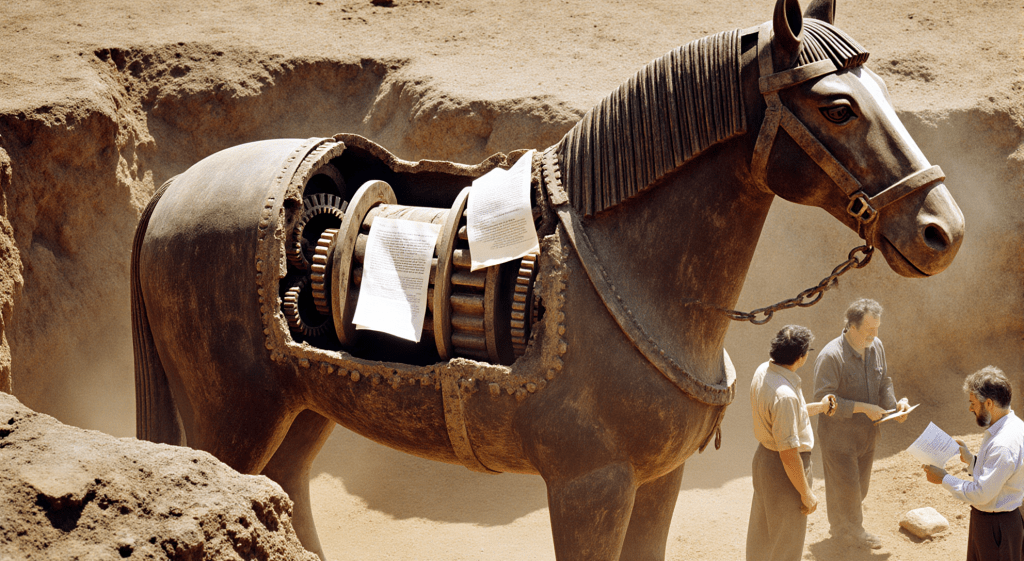
    Move over, covert soldiers. A new theory is galloping out from the sands of history. Recent archaeological excavations suggest the most famous wooden horse in Greek mythology may not have smuggled warriors at all. Instead, it hid an Ancient Greek technological wonder: a colossal, hand-carved fax machine.

    Frustrated by glitches in Troy’s customer service, from late deliveries to questionable souvenirs to the infamous “drawbridge not working properly” fiasco, the Greeks apparently decided to send their complaints in the most dramatic way possible. Rather than handwritten scrolls or shouting at the city gates, they constructed what scholars now call the Trojan Fax. It was the ultimate form of passive-aggressive communication, guaranteed to be too large to ignore.

    Inside the horse’s hollow belly, archaeologists uncovered what can only be described as an ancient papyrus-spitting contraption. Oak gears, olivewood rollers, and intricate levers would have allowed the Greeks to transmit page after page of grievances right through the walls of Troy. Reports suggest no fewer than 327 identical complaints about “excessive wait times for conquering appointments.”

    The machine ran on grape-powered hydraulics and an endless supply of “fax papyrus.” Ingeniously, it also had a resend function, ensuring that Troy’s clerks could not pretend they never received a complaint. Some historians argue this may have been the world’s first “reply all.”

    Whether the Trojans ever responded remains unknown. What is clear is that the legendary “fax busy tone,” a chorus of bleating rams and exasperated scribes, may have echoed through the city for days. Some scholars now speculate that this relentless noise was the true downfall of Troy, as exhausted clerks finally surrendered in search of silence.

    So the next time your printer jams or you are left on hold, spare a thought for the Trojans. They didn’t just face a giant wooden horse at their gates. They had to endure an endless barrage of papyrus memos about missing souvenirs and poor siege scheduling.

    One newly translated message sums it up perfectly: “Dear Troy, please consider refurbishing your gift shop. Also, do you validate chariot parking?”

  • Vikings Invented Dramatic Sea-Mail Messaging

    Vikings Invented Dramatic Sea-Mail Messaging

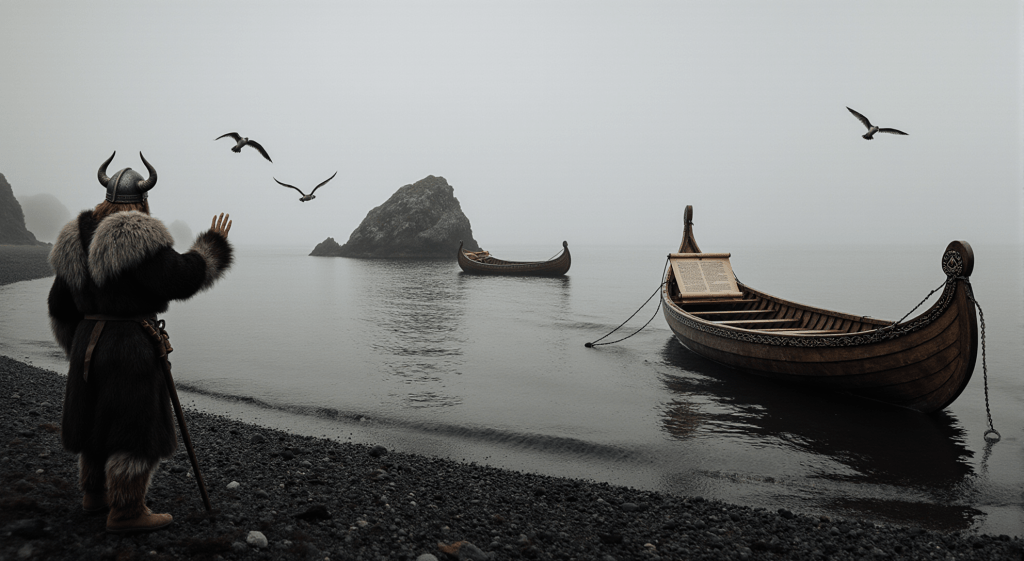
    Before there were chat threads or inbox zero ambitions, the Vikings handled correspondence with pure nautical flair. Known as “sea-mail,” this legendary postal service involved tying a sealed scroll to a trusty longboat and setting it adrift, trusting the tides and Thor’s sense of humor to deliver it to the right shoreline.

    Once shoved into the surf, the vessel was officially on its express route. There were, of course, delays. Boats were often sidetracked by wandering whales, mischievous mermaids, or the irresistible lure of siren karaoke competitions that sometimes diverted entire fleets.

    Receiving a sea-mail delivery was a spectacle fit for saga. Villagers knew post day had arrived when armored helmets and axes clattered in the shallows. Every respectable message came with a soaked scroll, a small puddle, and a dramatic sense of adventure.

    Replies traveled at a brisk “one raid per response” speed. A return message might arrive between the next new moon and the next impromptu village barbecue. On rare occasions, long-lost boats would wash ashore years later, their scrolls hopelessly outdated but still treasured for their heroic delivery.

    Viking children competed for the title of “Best Boat Launcher,” a prestigious role requiring wind calculations, loud ship-naming, and the firm belief that the longer the dragon head, the faster the voyage. Households kept track of delivery success with carved notches, most of which doubled as decorative doorstops.

    So the next time your email gets stuck in the outbox, remember the longboats still bobbing in some northern tide. Each carried tidings of glory, soggy shopping lists, and the occasional poem that arrived centuries late but right on Viking time.

  • Romans Roll Out the World’s First Chariot Cupholders

    Romans Roll Out the World’s First Chariot Cupholders

    The ancient Romans loved their technological upgrades, and while gladiators may have had their share of innovations, chariot racing held one of the most surprising. Hidden in the footnotes of history is the revelation that Roman engineers invented the first cupholders.

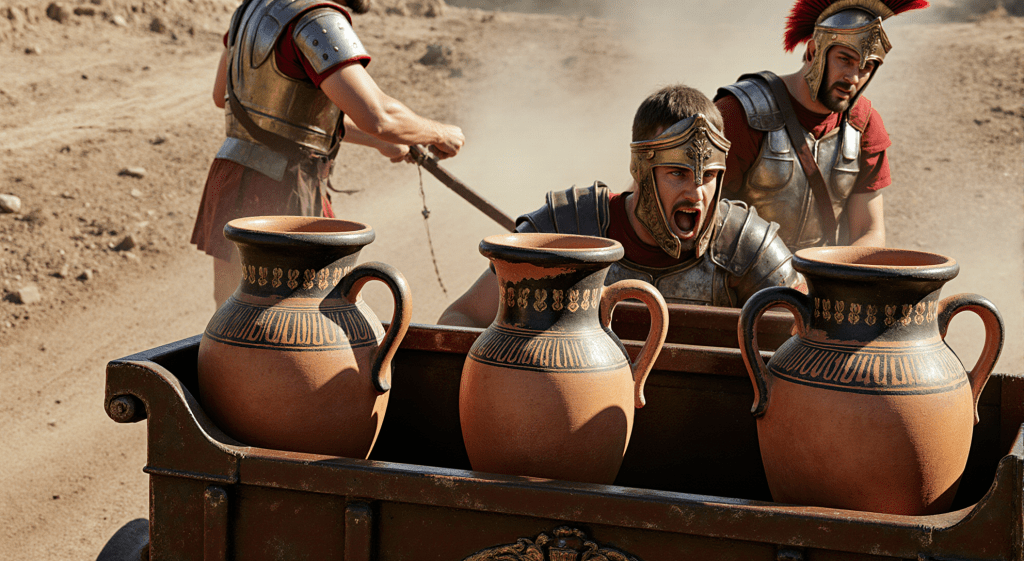
    These cupholders were not an afterthought. Artisans carved sturdy receptacles directly into the chariot frame, ensuring beverages stayed put while drivers thundered down the Appian Way. Hands were freed for steering, sword-swinging, or the occasional salute to admiring crowds, all while sipping with imperial flair.

    There was, however, a flaw. Roman standards for comfort were extravagant, so the holders were sized for amphorae of wine rather than modest cups. The image of a charioteer sipping vintage reds at forty miles an hour may sound grand, but those oversized containers had a wobble that spelled disaster on sharp turns.

    Colosseum race days became notorious for their grape-scented chaos. The roar of the crowd was often punctuated by cries of anguish as prized vintages splashed across sand and tunics. Eventually, officials instituted the now-legendary “no refills on straightaways” rule in an attempt to salvage dignity and arena cleanliness.

    Roman poets seized on the drama, recording spilled-wine mishaps in florid verse. Some claimed champions could be traced by the purple trails behind their chariots, while others joked that togas were designed as stain camouflage for such calamities.

    So the next time you slide a travel mug into your car’s cupholder, remember that you are carrying forward a tradition nearly two millennia old. The Romans may not have mastered spill-proof design, but they certainly knew how to race in style.

  • The Great Wall’s Legendary Goat-Powered Bamboo Escalator

    The Great Wall’s Legendary Goat-Powered Bamboo Escalator

    History is filled with marvels, but few are as unexpected as the legend of the Great Wall’s bamboo escalator. According to stories passed down through generations, imperial messengers did not need to climb the endless steps. Instead, they glided to the top on a contraption made from bamboo and powered by a disciplined team of goats.

    This ancient escalator relied not on gears or pulleys, but on the synchronized hoofbeats of carefully trained animals. Each goat wore a vest that marked its role in the empire’s communications network. Their rhythm was so precise that the steady clip-clop echoed across the valleys, signaling that important news was approaching. Messages might have been nudged by horns along the way, but they always arrived.

    Skeptics have long doubted the tale, yet faded scrolls include intriguing illustrations. These show goats lined up beneath imperial insignias, patiently propelling messengers skyward. The riders appear calm, scrolls in hand and hair neatly in place, though perhaps with the faint look of someone who has just shared space with a determined goat.

    The system depended on more than discipline. Goats required regular supplies of clover and ceremonial turnips, without which no amount of training would keep them moving. Historians insist that these snacks were as vital as the bamboo structure itself.

    Legends also describe the bond between rider and goat as unshakable. A subtle nod from the messenger, a crunch of bamboo from the goat, and together they rose toward destiny. Each year the community gathered for the Goat Gala, where races and the “Best in Vest” contest honored the animals that kept the empire connected.

    Modern escalators may rely on electricity and mechanics, yet none can match the spectacle of synchronized goat power. Some wonder what today’s engineers might dream up if they had the courage to add a herd of animals to their blueprints.

    So when you face a long climb, think back to this tale of invention and determination. In the mists of antiquity, it was not wires or engines that carried messages skyward, but the steady steps of goats with impeccable taste in snacks.

  • Spartans Invented Fitness Tracking—On Their Shields

    Spartans Invented Fitness Tracking—On Their Shields

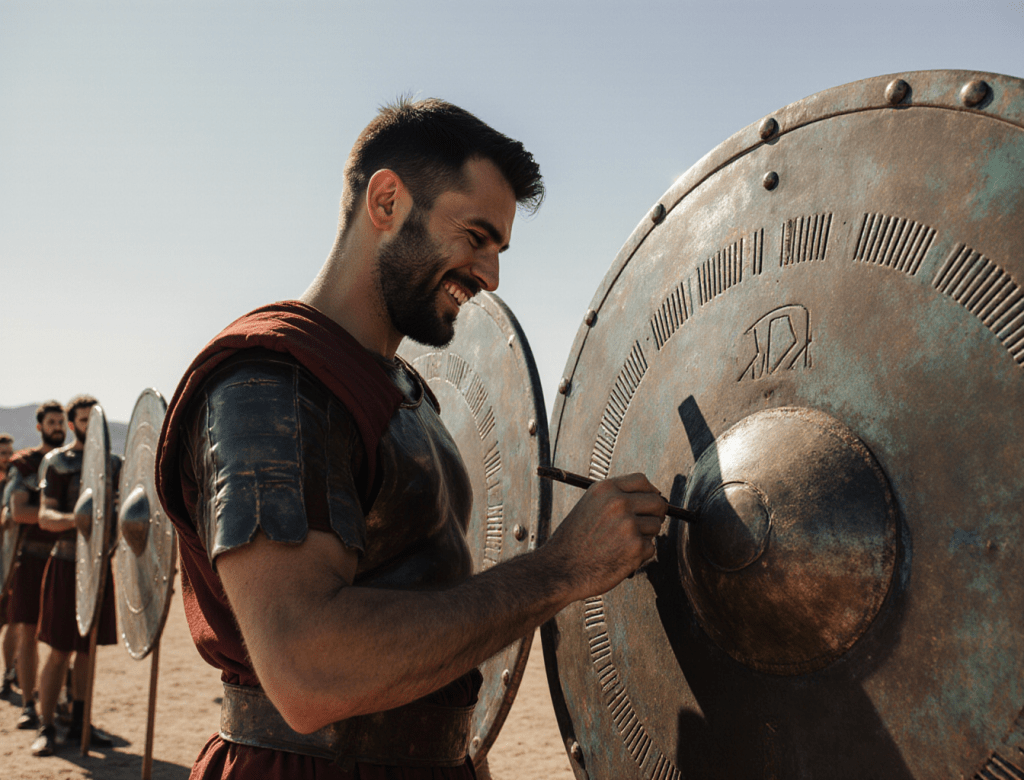
    Long before step counters and sleek wristbands, the Spartans were already measuring their workouts with a method as brutal as their training. According to ancient legends and a few suspiciously over-scratched shields, warriors kept mileage logs by carving each completed run directly into bronze.

    It was the ultimate flex, equal parts muscle and statistics. Before charging across the olive groves, runners would grab a chisel and notch another mile into their gear. Seasoned champions strutted with shields so covered in marks that they looked like ancient barcode scanners, though far less convenient to swipe at the marketplace.

    The training grounds became galleries of endurance. Young warriors compared etching counts with the same intensity modern athletes reserve for leaderboard screenshots. Boasts of record-breaking sprints were paired with gleaming shields and even shinier biceps, each line carved into history beneath the relentless Greek sun.

    Shield upkeep became a matter of pride. Legends tell of runners who polished their bronze to a shine so fierce it blinded comrades at thirty paces. Spartans claimed this glare doubled as sunscreen and intimidation tactic, though blacksmiths were quick to complain that the scratches ruined the balance.

    Not that complaints mattered. Vanity and rivalry always won out over metallurgy. The drive to add one more line sent warriors running longer, faster, and occasionally straight into groves of very annoyed goats.

    Modern apps may track calories and heart rates, but they cannot compete with the permanence of Spartan data. Modern fitness trackers have never left a smith cursing about crooked shields, nor has it caused accidental sunburns from a well-buffed personal best.

    So the next time you log a jog, imagine chiseling it into a bronze disc and hauling it across the battlefield. Spartan fitness tracking was not wireless, but it was unforgettable, immovable, and impossible to ignore.

  • Turn Left at the Goat: Ancient Maps Navigated by Sights, Sounds, and Smells

    Turn Left at the Goat: Ancient Maps Navigated by Sights, Sounds, and Smells

    Lost travelers of the ancient world carried maps that made modern GPS look clunky by comparison. Instead of puzzling over compass roses and winding lines, adventurers followed instructions like “turn right at the loudest rooster” or “walk until you smell bread drifting from the bakery.” Navigation was as simple as trusting your nose, ears, and the occasional stubborn goat.

    Cartographers of the era became masters of sensory detail. Maps were filled with sketches of woolly sheep, curls of warm steam, and even notes on the pitch of a shepherd’s tune. Apprentices were reportedly tested with a blindfold, a loaf of challah, and a rooftop goat to prove their directional instincts.

    The system wasn’t limited to livestock and loaves. Some maps promised music as a guide, with tiny drawings of singing shepherds. Travelers knew they had strayed only if they failed to hear “Ode to the Grazing Yaks” echoing across the valley.

    Compared to the robotic monotone of modern GPS, these maps offered charm with every step. If you did lose your way, the blame usually fell on a napping sheep or a baker who had run out of yeast.

    Legacy cartographers wore their craft like a badge of honor. It was common to be stopped in the street and asked for directions to the mountain pass with the legendary apricot tart, directions that doubled as dinner recommendations.

    So the next time your navigation app glitches in the middle of nowhere, don’t despair. Keep your ears open for a helpful bleat, or follow the scent of fresh bread curling on the breeze. The best journeys, after all, are the ones that leave you both full and found.

  • How Eleven Became Twelve and Changed Time Forever

    How Eleven Became Twelve and Changed Time Forever

    Long before time was fashionable, clocks everywhere were content to tick quietly from one to eleven. Back in those days, twelfth hours were as mythical as unicorns riding bicycles. Ancient watchmakers decided that twelve was just a smidge too extravagant, preferring to keep things neat and unassuming.

    Life flourished in this refined world of elevens. Birthday cakes had eleven candles, work shifts ended at eleven o’clock, and nobody ever asked, “Is it noon yet?” because, quite frankly, the concept of “noon” was just a little too highbrow.

    But the world would not stay at eleven forever. Legend tells of a glorious Danish king, Knut the Slightly Unbalanced, who grew weary of missing out on extra time for second breakfast. In a dazzling display of royal authority, he declared that clocks should ascend boldly all the way to twelve.

    Clockmakers everywhere gasped, dropped their gears, and hurried to scribble enormous new “12” numerals at the very top of their dials. For a brief, confusing week, some clocks attempted to squeeze in both a twelfth hour and a complimentary cheese segment, but this innovation was sadly discontinued due to excessive snacking.

    As the twelfth hour swept across the land, people finally discovered the joys of “high noon,” “midnight,” and “just five more minutes.” Productivity soared, lunch breaks extended, and the phrase “turn it up to eleven” was quietly tucked away for future rock legend documentaries.

    If you find yourself glancing at the twelve perched proudly on your clock, take a moment to thank the brave souls who pushed time’s boundary into its modern glory. And, of course, spare a thought for the cheese segment that could have been.

  • Mesopotamia’s Surprising Ancient Internet Connection

    Mesopotamia’s Surprising Ancient Internet Connection

    Archaeologists in Iraq made what can only be called the ultimate “Did you turn it off and on again?” discovery this week. While excavating ancient Mesopotamian ruins, they stumbled upon a dense web of fiberoptic cables hidden beneath layers of dust, pottery shards, and centuries of cuneiform confusion. Forget gold or scrolls; everyone knows Wi-Fi is the real treasure.

    The story of ancient Sumerian scribes has been turned on its clay head. It turns out these wise folks weren’t just laboring over fiddly clay tablets or chiseling their grocery lists. Experts now believe they enjoyed internet speeds that would make your modern laptop blush. No buffering for the Babylonians.

    Historians are frantically rewriting textbooks. Evidently, Mesopotamians could dash off emails in 3000 BCE with zero risk of enduring that infamous dial-up screech. The only lag they ever complained about came from ziggurat Wi-Fi dead zones.

    Preserved correspondence suggests their main worry was not spam folders, but spam coming directly from the Akkadian king’s cousin, who insisted on sending pyramid schemes (not the fun kind). Archaeological forums were reportedly filled with hot takes using hashtags like #EpicOfGilgameshMemes.

    Sources close to the excavation say that the cables don’t just power the internet of the past. Some believe there may be a forgotten “Lost City of Servers” still somewhere beneath the sands, quietly backing up all of Mesopotamia’s memes to this day.

    Meanwhile, one archaeologist at the site remains unfazed, reportedly sipping coffee while setting up a router. “If Sumerians had this, maybe my email will finally load,” she remarked, brushing sand off her laptop and ancient server racks alike.