Category: Absurd History

  • Straight From the Horse’s Swimtrunks

    Straight From the Horse’s Swimtrunks

    Did you know that before 1665, it was strictly against the law for horses to swim in salt water? According to ancient lawbooks (now mostly used as doorstops), even the briefest splash in the sea could transform a noble steed into a finely seasoned Trojan seahorse. Lawmakers were particularly concerned about waking up one morning to find hoofprints zig-zagging across the ocean floor.

    The main fear was the potential chaos, with horses galloping merrily beneath the waves and unintentionally spooking mermaids or rearranging neatly stacked seashells. Stable doors came with stern warnings: “No Salty Swims Allowed.” Horse trainers even put up posters featuring startled seahorses neighing in watery alarm.

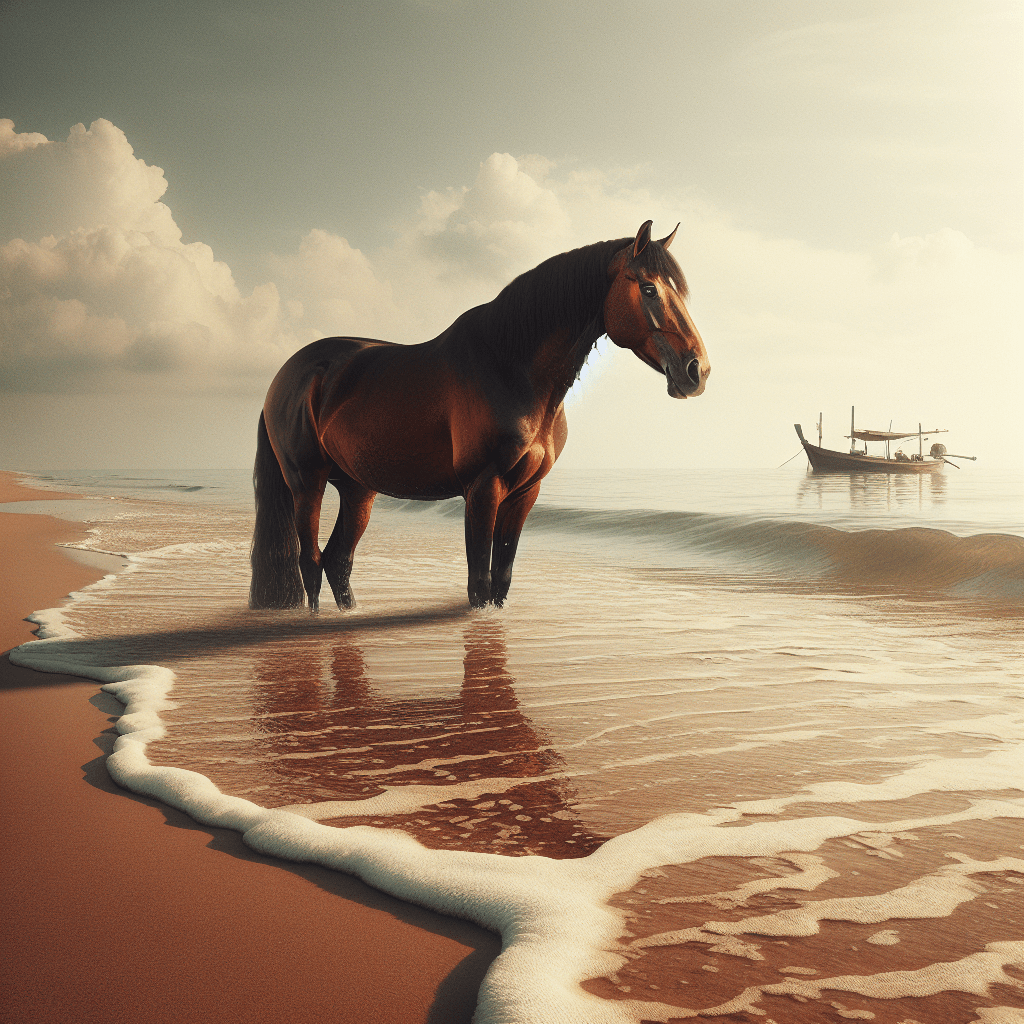
    Everything changed one blustery afternoon when Sir Gallop McSprinkleton found himself chasing his favorite hat down a windy beach. His particularly curious horse, Peppercorn, took off right after it and waded straight into the foamy surf. A crowd gathered, clutching field glasses, picnic baskets, and emergency pairs of socks.

    To everyone’s astonishment, Peppercorn emerged from the waves totally unchanged. Well, except for a new-found love of seaweed snacks and an affinity for making startled dolphins giggle. The townsfolk cheered, the lawbooks were quietly reread, and a new era of equestrian aquatic adventure dawned.

    Following this historic swim, horses everywhere lined up for their first seaside paddlings, snorting in anticipation of collecting driftwood and chasing the occasional floating carrot. Seaside stables became all the rage, and horses learned to shake sand out of their manes like true beachgoers.

    So next time you see a horse gazing wistfully at the waves, remember Sir Gallop and Peppercorn. Without their brave seaside exploits, our hoofed friends might still be stuck high and dry, dreaming of seashells and sunburns.

    Let’s give a hoof-clop for progress, and always keep a bag of dried kelp handy just in case your horse develops a taste for saltwater snacks!

  • Waiting in Line the Old-Fashioned Way

    Waiting in Line the Old-Fashioned Way

    Long before smart gadgets and celebrity sneaker drops, the hottest trend in town was fire. That’s right, take a trip back through the mists of time and you’d find early humans camping out, not for smartphones, but for the freshest batch of flaming coals at the neighborhood cave.

    Legend has it, the first-ever “fire launch” saw proud tribesfolk curled up in mammoth-skin sleeping bags beneath the stars, eagerly awaiting the magical moment the cave’s stone hearth exploded into a brilliant blaze. Those at the front of the line secured the coveted, hottest embers while latecomers had to settle for lukewarm leftovers or, tragically, just smoke.

    The excitement didn’t stop at simply obtaining flame. Rumor suggests it quickly became a status symbol to be spotted in the communal meadow with the newest, brightest torch. Early humans would stroll around, nodding and basking in the envious stares of neighbors who were still struggling with two damp sticks and dreamlike optimism.

    Prehistoric partygoers took things up a notch by roasting ancient marshmallows (believed to be fuzzy pebbles coated in wild bee honey) over these celebrity flames. This not only proved one’s ability to “keep up with the coals” but also made for the most exclusive cave gatherings of the season.

    Competition was fierce. Families reportedly recruited “ash scouts” to secure prime positions in line, trading rare seashells or artistically arranged stone tools for a head start. It was an early form of VIP access, except instead of wristbands, you got a complimentary whiff of campfire smoke.

    Innovation blazed ahead with every new fire, as ancient inventors experimented with everything from smoke signals to glow-in-the-dark cave art. Each flaming debut fueled friendly rivalry and endless creativity, proving that humanity’s love of trendy launches is as old as time itself.

    So, next time you’re tempted to camp out for the latest product, remember: you’re simply stoking the embers of a fiery tradition started by the world’s original trendsetters. Pass the mammoth s’mores!

  • Windless Nonsense and the High Seas

    Windless Nonsense and the High Seas

    Did you know that the first steam-powered ships were met with a tidal wave of disapproval from grumpy old sea captains? They dubbed these newfangled contraptions nothing more than “windless nonsense” and scoffed at their lack of sails, questioning how anything could move without the dignity of flapping canvas and a good gust of sea air.

    According to highly questionable maritime folklore, these skeptical captains would challenge the steamships to “who can catch the wind first” contests. The contests always ended the same way: the wind-powered ships drifted about while the steamships zipped off with not a care for Neptune’s breezes. The captains, refusing to admit defeat, would then sulk below deck for hours, nursing mugs of grog and muttering about the good old days of proper wind.

    But skepticism soon gave way to wild theories. Some diehard sailboat enthusiasts refused to believe steam engines were real at all. Instead, they spread rumors that the ships were powered by an army of invisible sea squirrels, tirelessly running in wheels below deck to turn the propellers. This, they argued, was far more sensible than harnessing a cloud in a box.

    To support these brave imaginary rodents, certain sailors took to leaving acorns at the docks before each voyage. They claimed it was an ancient maritime tradition, dating back to when Poseidon himself kept a pet gerbil. Port cities quickly saw a mysterious spike in acorn supply shops, and squirrel sightings at the waterfront became suspiciously frequent.

    As the years went by, most people came to accept that steam engines do in fact exist, and that invisible squirrels are, at best, terrible at unionizing. However, some especially salty old sailors still swear by the power of acorn offerings and will wink knowingly if you ask them to reveal what really makes a cruise ship move.

    So next time you see a massive cruise ship gliding regally from the harbor, take a moment to salute the unsung heroes: the invisible sea squirrels, the unsulking captains, and the legacy of windless nonsense. Without them, the shoreline would have a lot fewer acorns and a lot more sulking.

    Remember, as with most things at sea, sometimes it’s not about which way the wind blows, but who you’re willing to believe is running in circles beneath your feet.

  • Ancient Ink That’s Hard to Bear

    Ancient Ink That’s Hard to Bear

    Have you ever wondered what fueled the creative minds of ancient scribes? It wasn’t just poetic genius or the urge to immortalize dramatic tales of sheep counting. No, the real secret was their ink, and its ingredients were straight out of history’s most unusual pantry.

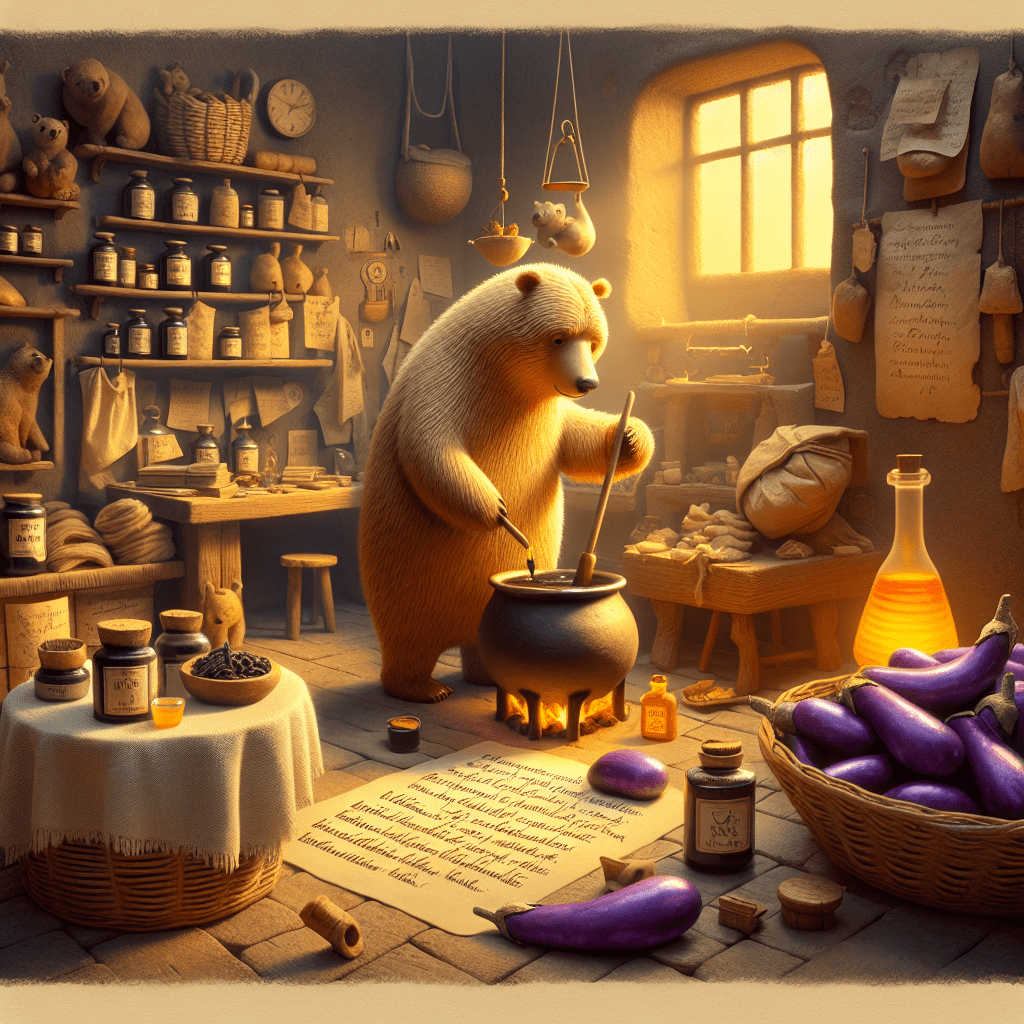
    Contrary to what your schoolbooks told you, ink wasn’t always made from inkberries or borrowed octopus contributions. The trendiest scribes of a bygone era used a blend so unexpected it could startle even the most adventurous chef. Legend claims that the go-to recipe called for bear oil and sun-dried eggplant skins, mixed together in an inky alliance of the animal kingdom and the produce aisle.

    Step into the ancient scribe’s workshop, where the aroma was less “fresh parchment” and more “forest picnic meets your grandmother’s ratatouille.” Scribes would laboriously mash eggplant skins and gently persuade local bears to donate a dash of oil (the specifics are, mercifully, lost to history), crafting a substance that sparkled with mysterious iridescence.

    This wasn’t just any ink. Written words supposedly shimmered in candlelight, and some documents glowed faintly enough to attract passing moths with a thirst for knowledge. Rumors spread of love poems that sparkled so brightly, their recipients needed sunglasses just to blush at the compliments.

    Of course, practicality did eventually creep in. Bears proved difficult to schedule for inking appointments, and there was a persistent issue of scholars accidentally smudging their masterpieces with eggplant-scented fingerprints. The eggplant-bear ink era faded into history, replaced by less aromatic and more manageable alternatives.

    Today, no office ink cartridge can match the flamboyant charm or olfactory presence of its bear-oil ancestor. Yet every time we jot down a grocery list, let’s remember those early innovators who dared to dip deep into nature’s peculiar palette.

    So, next time your pen runs dry, don’t curse the modern world. Just be grateful you’re not chasing bears through an eggplant patch!

  • The Mystery of the Forest Crab

    The Mystery of the Forest Crab

    Deep in the dense, mist-covered woods of western Washington state stands a landmark few people have ever encountered. Amid towering cedars and lush maples, an enormous sculpture of a crab silently raises its giant pincers toward the treetops. This unusual creation appears suddenly to hikers who stray from established trails, catching them off guard with its unexpected presence. There are no plaques, no markers, and no clear indication of how long it has been standing there, hidden among the trees.

    Those who have seen it describe the crab as looking strangely ancient yet remarkably untouched by time or nature. Even in the damp and moss-laden forests that typically consume everything within their reach, the sculpture remains clean and pristine. No moss covers its shell, no lichen grows along its legs, and its surface remains smooth and unaffected by years spent outdoors. Its preservation feels almost supernatural, deepening the mystery of its existence.

    Adding to the intrigue, visitors often note curious environmental details around the sculpture. The ground beneath the crab seems to remain perpetually moist, even during unusually dry periods. Small, gentle streams wind around the sculpture’s legs, creating a quiet atmosphere of reverence as if the woods themselves acknowledge the crab’s unusual presence. The surrounding foliage appears to subtly part around it, highlighting the sculpture in a natural clearing that feels intentional yet unplanned.

    Local speculation about the crab’s origin varies widely. Some believe that the sculpture was secretly left behind by wandering artists who wanted to surprise future adventurers. Others theorize that it was accidentally dropped into the forest from above by an experimental hot air balloon. Still, a more whimsical explanation suggests that the sculpture may be the forest’s own creation, an unexpected tribute to sea life far from the nearest ocean shore.

    Despite years of discussion and debate, no person or group has ever stepped forward to claim responsibility for the sculpture. Its origins remain as elusive as ever. Hikers and explorers alike are left to create their own stories and theories, preserving the mystery for future generations. The crab stands silently, content to exist without explanation, patiently awaiting its next astonished visitor.

    If you ever find yourself wandering off-trail in the forests of western Washington, pay close attention to the quiet shifts in the breeze. Should you suddenly notice a faint salty scent drifting gently through the air, you may be closer to the crab than you realize. Perhaps the sculpture serves as a bridge between forest and ocean, offering a silent reminder that mysteries still remain, quietly waiting to be discovered.

  • Bronze Age Brew Promised “Wisdom of the Swine”

    Bronze Age Brew Promised “Wisdom of the Swine”

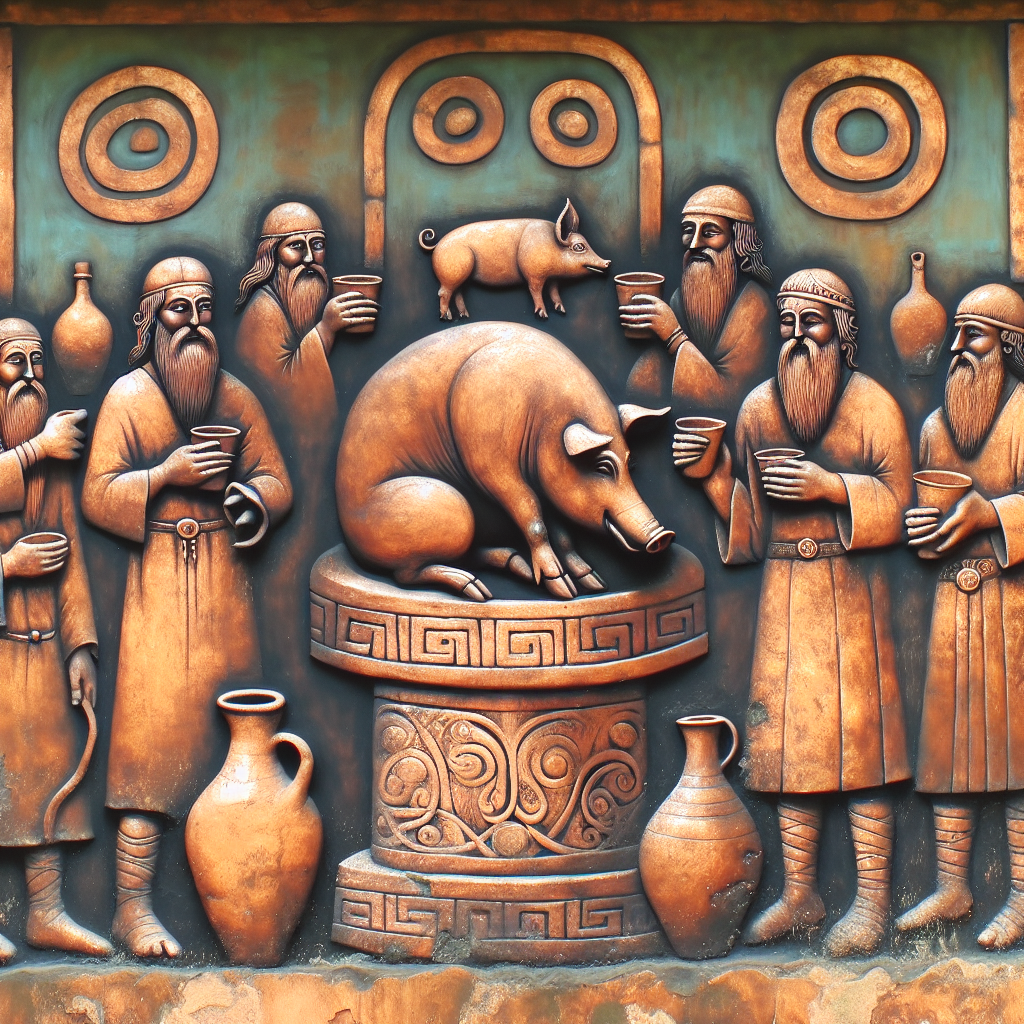
    In one of the most eyebrow-raising discoveries of the decade, scientists have uncovered evidence that a Bronze Age culture in central Europe celebrated an annual festival centered around a fermented drink made from the urine of diabetic pigs. According to legend, this pungent potion granted the drinker “the wisdom of the swine.” One sip, it was said, could allow a person to understand and speak fluent pig.

    The historical support for this claim is flimsy at best, relying largely on erratic carvings, poorly translated inscriptions, and suspiciously cheerful depictions of pigs painted with glowing auras. Yet researchers cannot deny the consistency of the narrative across several archaeological sites. The festival, known in rough translation as “The Great Gulp,” appeared to treat the pigs not just as livestock but as honored beings with hidden knowledge.

    The pigs were pampered like royalty. Excavated sites show that during the festivities, the pigs were seated in comfortable positions near the main stages. Evidence of primitive seating structures, complete with hay padding and shade coverings, suggests these animals were given VIP treatment. Musicians reportedly played soothing melodies on early instruments believed to resemble flutes and lyres, serenading the pigs as villagers danced and drank the mysterious brew.

    Whether this peculiar ritual was sacred, or just the ancient equivalent of a very committed prank, remains up for debate. Some scholars argue it was a genuine spiritual ceremony, a way for the community to connect with nature and its creatures. Others are convinced it was an elaborate dare, likely born from a combination of curiosity, poor judgment, and lack of refrigeration. The truth, as with many things from the ancient world, is probably somewhere in between.

    Regardless of its purpose, modern experts seem united on one point. No one is in a hurry to revive this particular Bronze Age tradition. While fermented foods and drinks have played an important role in human culture, few have ventured into the realm of medicinal pig urine. The phrase “swine wisdom” may have sounded impressive once, but today it is more likely to inspire a gag reflex than enlightenment.

    Still, the story is a fascinating look into the creativity and absurdity of human history. It reminds us that ancient cultures, for all their innovation and mysticism, had a strange sense of humor. Whether the villagers truly believed they could talk to pigs or were just looking for an excuse to get weird once a year, their legacy lives on in one of the oddest chapters ever written in the book of archaeology.