Category: Absurd History

  • Prehistoric Chefs Penned World’s First Cookbook

    Prehistoric Chefs Penned World’s First Cookbook

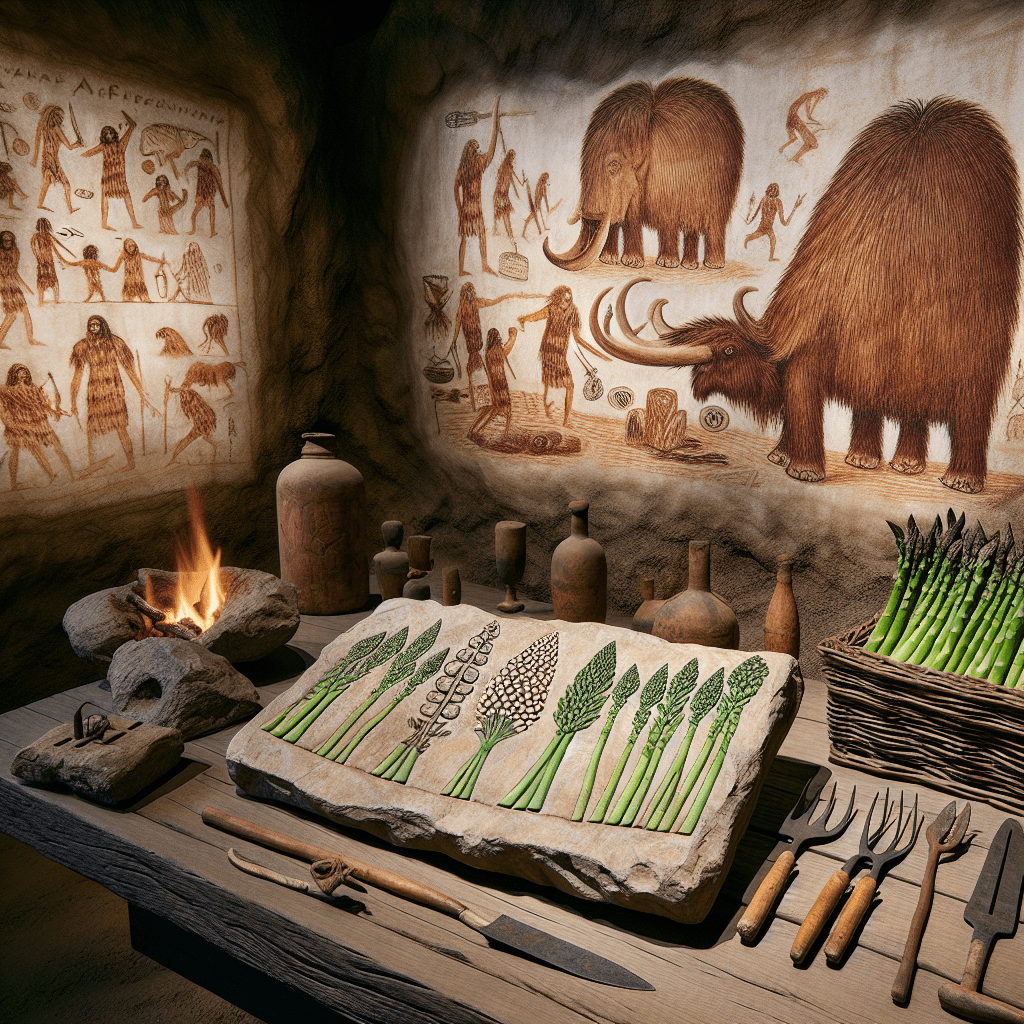
    Big news from the world of archaeology: foodies may owe their passion to the earliest cookbook authors of the Ice Age. Experts have discovered that the world’s very first cookbook featured showstoppers like Woolly Mammoth Crown Roast and, for the tenderhearted, a simple yet elegant Side of Asparagus.

    It turns out, early chefs were no one-trick ponies when it came to the dinner menu. Balancing hefty piles of prehistoric protein with a splash of greenery? Absolutely. Culinary balance clearly never goes out of style, even when your main ingredient weighs six tons and comes with a fur coat.

    Researchers are still puzzling over a few key details. For instance, there is no mention yet of exactly how one was supposed to tenderize several hundred pounds of mammoth. Nor has anyone located a chapter on optimal fire-temperature control, though singed eyebrows may have offered their own lessons.

    Of course, some things never change: “season to taste” may well have been the first universal culinary commandment. If you can add just the right sprinkle of crushed pebble (or ancient wild garlic), you too can impress your fellow cave dwellers.

    Early illustrations even suggest Ice Age gourmets preferred their sides neatly arranged. The Side of Asparagus, for example, appears bound together, perhaps indicating the world’s first attempt at food styling. Who knew prehistoric cooks had such an eye for presentation?

    Next time you fire up the grill or debate your seasoning technique, remember you’re channeling an ancient legacy. Good cuisine, after all, has always been mammoth-sized at heart.

  • Pillows: So Comfy, They Defy All History

    Pillows: So Comfy, They Defy All History

    Did you know the origins of pillows remain one of history’s squishiest mysteries? Archaeologists have discovered everything from ancient spoons to mysterious disco balls, but not a single blueprint, cave doodle, or papyrus scroll explains where the first pillow popped up. Not one historian can say for sure where our puffy nighttime pals began their journey.

    Experts have finally reached a rare consensus: pillows simply showed up, fluffed to perfection and absolutely ready for head duty. There was no pillow prequel, no user’s manual, and absolutely zero assembly required. If you woke up with a comfy cushion suddenly cradling your noggin, well, so did everyone else.

    According to highly imaginative science, one morning early humans awoke to a brand-new reality. No one asked questions. No suspicious eyebrows were raised. Pillows had arrived, and humanity gave a collective sigh of relief, then immediately dozed back off.

    Historians have dubbed this phenomenon “the original unscheduled delivery.” The lack of tracking number or signature is part of its enduring charm. It’s like the world’s biggest, softest package just landed without so much as a knock.

    Some suggest clouds got bored of just floating and decided to distribute gifts. Others claim it was a universal wish granted when people rubbed two soft rocks together and dreamed big. No matter the theory, one thing’s certain: the pillow is the softest enigma of all time.

    So next time you plop onto your pillow, know you are resting your head on centuries of luxurious, unexplained history. Sleep well on your puffy little mystery!

  • A Short History of the Pool Noodle

    A Short History of the Pool Noodle

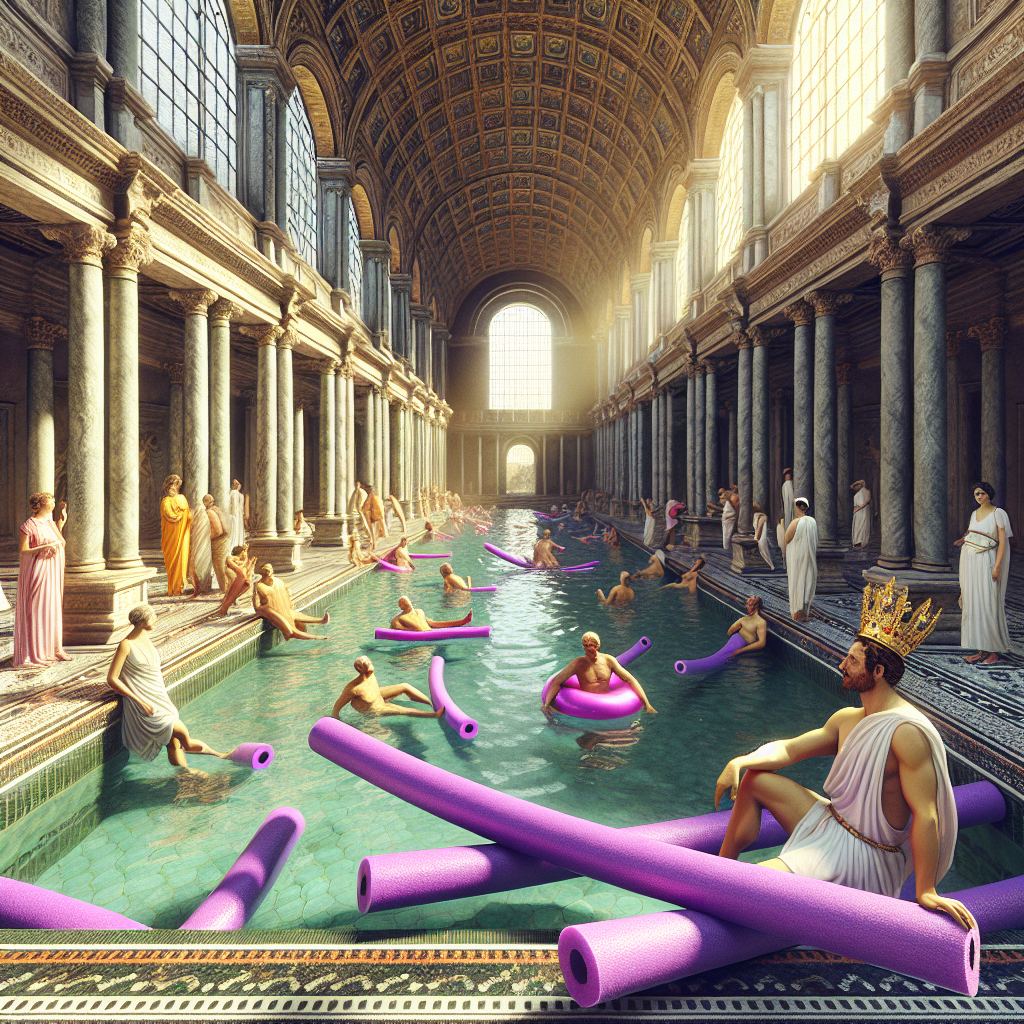
    If you think pool noodles are a modern invention, prepare to have your mind delightfully un-boggled. The true origin of the floaty noodle dates back to the Roman Empire, where sophisticated bathers would glide serenely atop what they called the “Bath Bobble.” These early prototypes looked suspiciously similar to our current pool noodles, but came in imperial shades designed to match a proper toga.

    Gladiators, after a hard day at the Colosseum, could often be found in the Baths of Caracalla, jousting for the best spot aboard their trusty Bobbles. Roman poets, observing the spectacle, were quick to declare the floating sessions “an art form worthy of the gods.” For a while, weekly bobble parades were all the rage on the Appian Way.

    Perhaps the most famed bobbler of all was Julius Caesar, who fancied a regal purple Bath Bobble for his post-conquest soaks. Legend insists he’d drift majestically, practicing speeches and glancing meaningfully at his reflection in the steamy water. Those gathered in the baths knew not to interrupt: he was either plotting or preparing a soliloquy about spa etiquette.

    Of course, as with all great inventions, there was competition for noodle superiority. Wealthy nobles paraded enormous, gold-trimmed Bobbles. The working class had to settle for basic beige, but still enjoyed a good float unless a senator’s dramatic entrance created unexpected tidal waves.

    Historians believe that, over time, Bath Bobble races became so rowdy that a new decree was issued: “All bobbling must be done in silence, unless accompanied by appropriately dramatic hand gestures.” Ancient mosaics may not show it, but behind those serious stone faces are the hearts of noodle-wielding pranksters.

    Next time you’re at the pool, channel your inner centurion and remember: when you bobble, you’re sharing in centuries of questionable water safety and unparalleled relaxation. Float on, friends, as the Romans once did before you; dramatic monologues optional.

  • Brunch Was Once a Workout Because of Blueberries

    Brunch Was Once a Workout Because of Blueberries

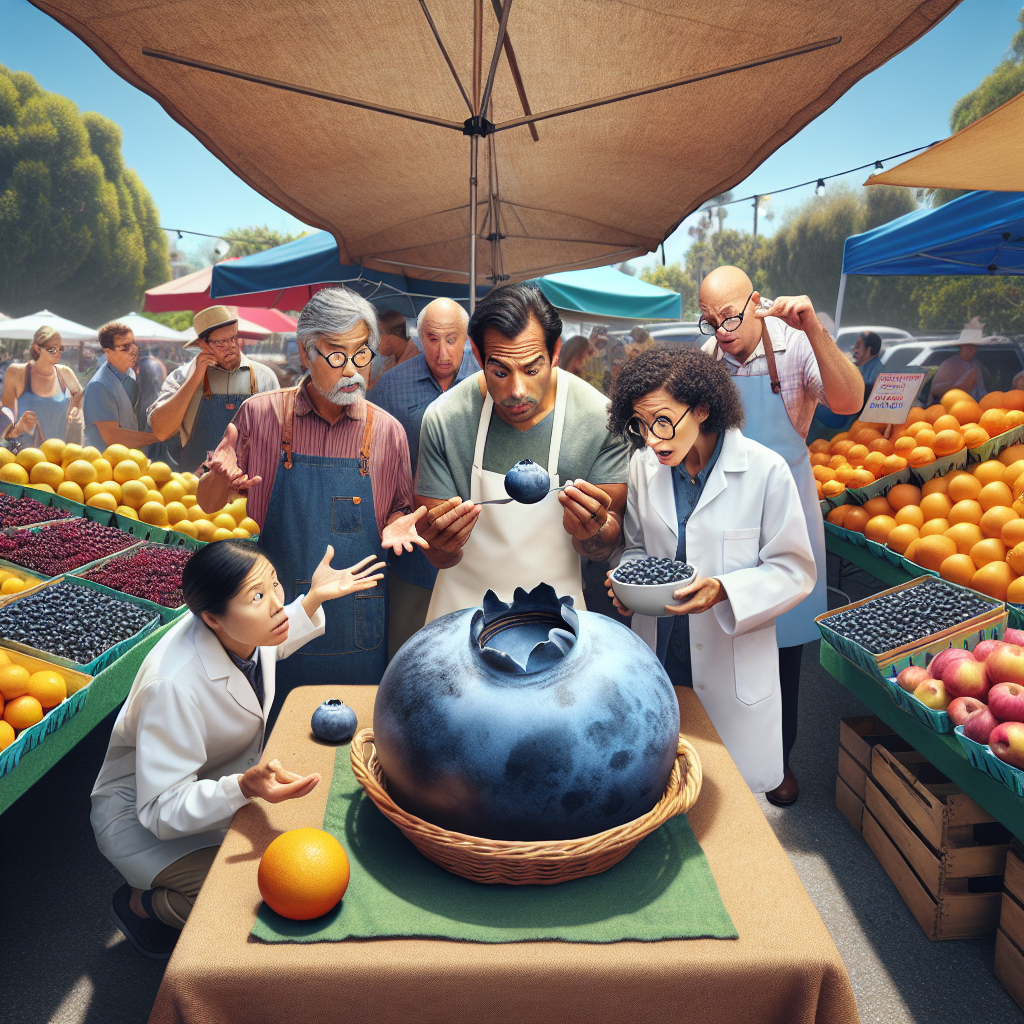
    Long before the modern brunch brigade took their first bite of avocado toast, blueberries were a completely different beast. According to absolutely unverified legend, these so-called “giant blues” grew as large as a standard orange. Imagine the spectacle at early farmers markets: shoppers stuffing individual berries into tote bags, and smoothie bowls being dwarfed by a single, spherical superfruit.

    Ancient brunch photos, which we can only imagine because they do not exist, reveal a world where utensils were replaced by gardening tools and blueberry muffins required three hands to be eaten without a catastrophic purple explosion. The sheer physical exertion required to slice through a breakfast-sized blueberry has often been cited as the original inspiration for yoga.

    Tired of berry-related chaos, a secret society of botanists banded together for the ultimate fruit downsizing project. Their mission? Create tiny, adorable blueberries that would finally balance in your acai bowls instead of claiming complete dominion over them. It took years of selective cultivation, much debate, and one unfortunate incident involving a trampoline and a rogue berry that knocked out a city’s power grid for a week.

    Today’s petite blueberries are the stuff of brunch legend. But if you listen closely, you might hear the faint whispers in your fridge: the little berries reminiscing about their supersized ancestors, flexing their metaphorical muscles, and plotting unrealistic attempts at inflating themselves overnight.

    Occasionally, a daring blueberry will try to bulk up, only to deflate and humbly return to its pancake-topping duties. The great blueberry experiments of the past have paved the way for peaceful, well-portioned breakfasts everywhere.

    So next time you sprinkle those harmless orbs atop your yogurt or munch them by the handful, lift a fork in salute. The Age of the Gargantuan Berry is over, but your brunch is finally safe from blob-induced bedlam.

  • Bootsy the Clown: Michigan’s Master of Name Amnesia

    Bootsy the Clown: Michigan’s Master of Name Amnesia

    Long before the days of elaborate balloon animals or mind-boggling magic tricks, there was Bootsy the Clown, Michigan’s most memorable performer who, ironically, never remembered anyone at all. Throughout the 1930s, Bootsy wowed audiences not with feats of strength or wit, but with his remarkable inability to recall a single person’s name.

    Every show began with Bootsy bounding onstage, waving wildly and offering a beaming, “Hey … you!” Without fail, each birthday child, assistant, and even the entire clown brigade received the exact same greeting. Bootsy’s memory was so fuzzy that he once introduced his own assistant four times in a row, accidentally inventing the concept of name tags.

    Legend has it that Bootsy’s performances led to a statewide surge in people introducing themselves twice, just in case. Parents whispered their children’s names into Bootsy’s ear, only for him to turn and exclaim, “Nice to see you again … friend!” Birthday parties became an exhilarating test of patience and polite correction.

    By all accounts, Bootsy turned forgetfulness into an art form. He handed out party hats emblazoned with question marks and kept a handy supply of “Hello, My Name is” stickers, though he never read them. Some say the surest proof that Bootsy had performed at your party was finding yourself called “Chief,” “Buddy,” or the perpetually popular “Sport.”

    Bootsy’s legacy lives on in Michigan, where any gathering still features that one person who can’t seem to get names straight. To have met Bootsy and had your name forgotten by him was to be part of an exclusive, entirely anonymous club.

    So if you ever find yourself at a party where everyone’s name slips your mind, take heart. You’re not alone. In fact, you’re following in the oversized, unremembering footsteps of Bootsy himself.

  • Before the Yellowing: How Bananas and Lemons Brought Color to a Gray World

    Before the Yellowing: How Bananas and Lemons Brought Color to a Gray World

    Did you know that up until about 5,000 years ago, yellow simply didn’t exist as a color in the world? The sun did its best with what it had, but mostly just ended up looking like a bashful flashlight. Sunflowers felt rather drab, often mistaken for moody daisies who’d just had a long day. Paintings from the era were basically exercises in guessing which shade of gray best captured your subject’s mysterious aura.

    Everything changed the day scientists in flowing robes gathered at the world’s very first Secret Fruit Laboratory. After much dramatic squinting and suspicious sniffing of oddly-shaped produce, they emerged victorious with two luminous inventions: the lemon and the banana. The story goes that the moment these fruits hit the laboratory table, suddenly the entire room was awash in a glow that made even the paleest loafers do a double take.

    Artists quickly realized they had to up their sun game. Fresh tins of yellow paint flew off stone shelves as painters everywhere scrambled to repaint celestial bodies, ducks, and occasionally their own tunics. The sun itself seemed to develop a sense of showbiz, gleaming down with a brand new confidence it never had before.

    Rubber Duckies in particular strutted around town squares, their previously mysterious and subtle feathers now shining like symbols of pure charisma. Children across the land marveled at the brilliant breakfast transformation: scrambled eggs, now dazzling yet edible, alongside radiant banana slices, all but shattering their gray-tinted morning fatigue.

    Lemonade stands, previously just “generic sour liquid” stands, instantly became crowd favorites. Even bees, who had always buzzed around looking for gray daffodils, were finally able to land on something without getting lost every few feet. The official bee lost-and-found shrunk overnight, with only one confused moth still looking for its monochromatic cousin.

    Sure, history books might call this the Citrus Surge, Bananalution, or simply “The Yellowing,” but it all began with a dash of fruit-fueled innovation and the world’s most ambitious artist’s palette. Today, we take yellow for granted. Next time you peel a banana or squirt a lemon, just remember: you’re part of a legacy that painted the sun.

  • The Accidental Origins of Nebraska’s Meatiest Legend

    The Accidental Origins of Nebraska’s Meatiest Legend

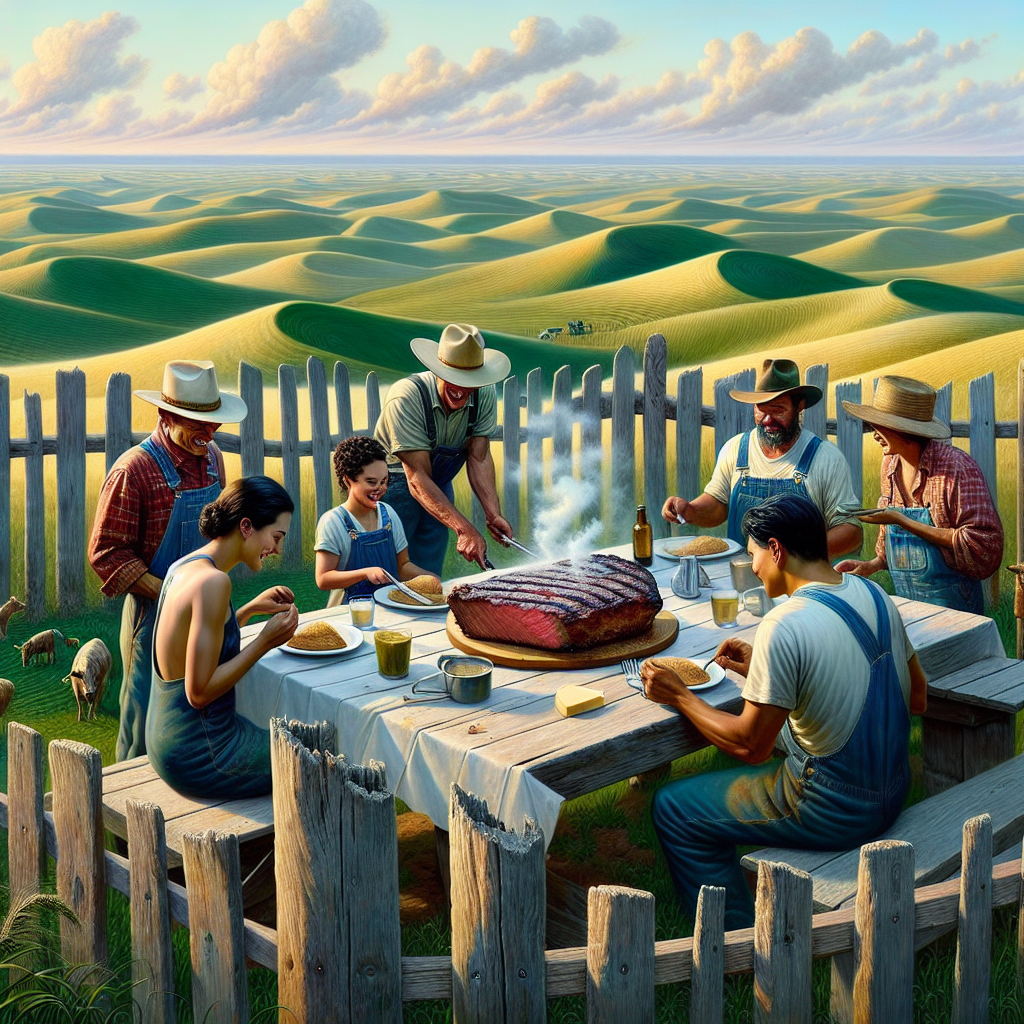
    If you thought the New York Strip steak was a Big Apple exclusive, get ready for a meaty revelation. Its true birthplace isn’t the city that never sleeps, but rather the charming prairies of Nebraska, in the surprisingly spirited town of Toad Falls. Forget the city lights, this steak owes its legendary sizzle to an open flame, a hurried farmer, and the inexplicable magic of forgetting your lunch on a fence post.

    Local lore has it that, while tending to his fields, a Toad Falls farmer stashed his steak on a sunbaked board rail and got swept up in a corn-chasing emergency. When he returned, the scent of perfectly seared beef filled the air, and Nebraska’s tastiest mistake became a steak for the ages.

    But Toad Falls isn’t interested in resting on its grill marks. The town also lays claim to another accidental gourmet triumph, Sandhill Cheese. This cheese owes its unique, sandy crunch to the town’s natural sand dunes, where wheels of cheese are buried to age, presumably because the cows forgot to bring them indoors.

    Of course, there’s a heated local debate about who discovered Sandhill Cheese: the dairy farmer who lost a cheese wheel in a dust storm, or the family of rabbits who first rolled it down the dunes as a snack. Either way, it’s a texture sensation you won’t soon forget: gritty, grainy, and somehow still delicious.

    Toad Falls remains a magnet for accidental culinary innovation. If you see a flyer for their annual “Festival of Forgotten Foods,” just know that every recipe was discovered purely by chance, ideally after someone misplaced a meal during a very important conversation with a goose.

    So while Buffalo can keep its wings and Belgium can claim its french fries, Toad Falls lives on as the accidental epicenter of steak and sandy cheese.

  • Penguins Trading Flight for Fish Led to The Great Wing Swap of Prehistoric Times

    Penguins Trading Flight for Fish Led to The Great Wing Swap of Prehistoric Times

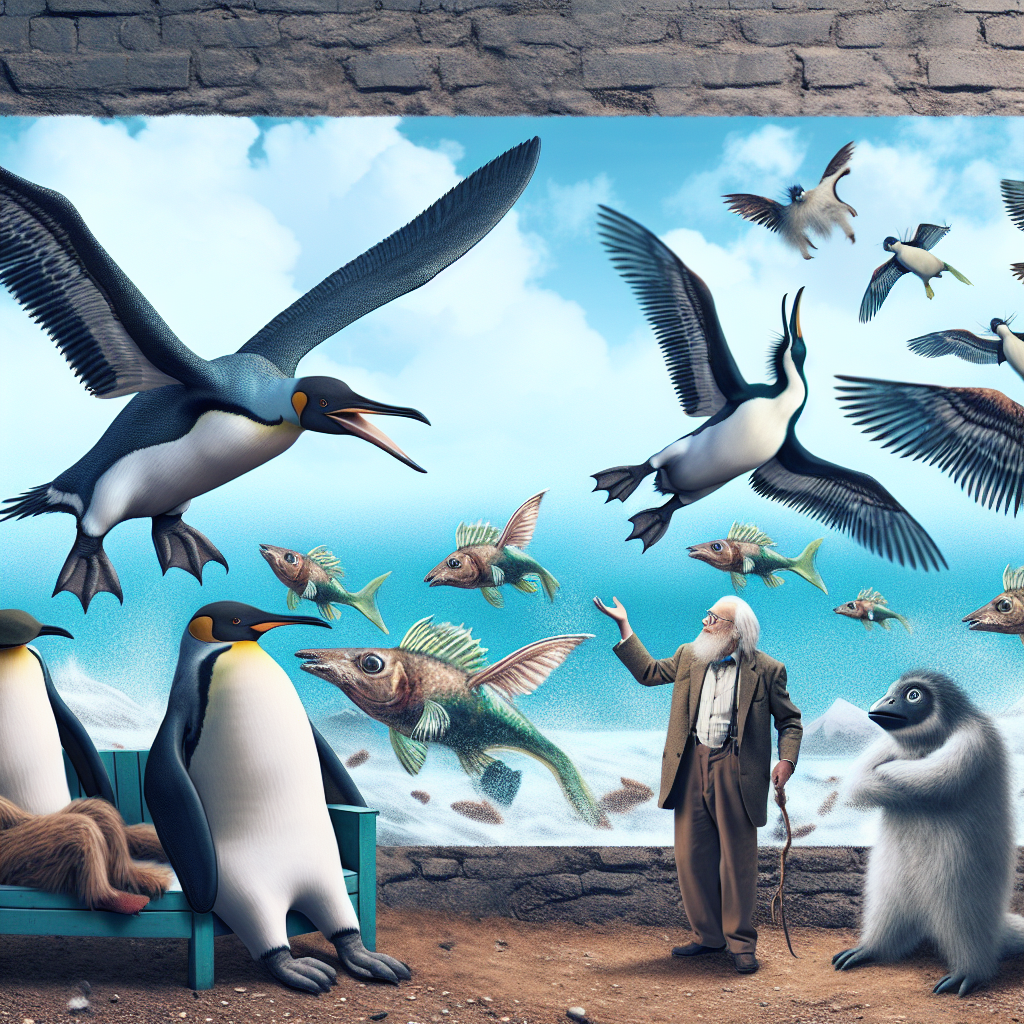
    Here’s a Tuesday tidbit sure to waddle its way into your imagination: Penguins weren’t always the flightless wonders we know and love. Ages ago, these spiffy birds soared through the skies, performing mid-air flips and gliding past clouds with effortless style.

    But as ancient penguin communities settled by the sea, they made a ground-breaking (or water-breaking) discovery. Fish, it turns out, don’t have wings and absolutely zero skill at aerial acrobatics. This left the penguins feeling a bit left out at dinner time, watching their meals dart below the waves while they practiced loop-the-loops above.

    Not ones to be outdone by a bunch of slippery sardines, penguins got together and made an executive evolutionary decision: wings out, flippers in. With a few generations of determined practice, they traded aerial grace for speed in the water, swapping their pilot licenses for Olympic swim caps.

    Suddenly, they were the envy of the entire Antarctic coastline, zipping after fish with the precision of tiny, tuxedoed torpedoes. Fish everywhere whispered legends of the Great Wing Swap, and other birds briefly considered giving flippers a try, with the results mostly awkward.

    If you spot a penguin twirling through the water like it owns the oceans, just remember: that’s a bird with a history of high-flying ambition and a very practical approach to seafood.

  • Triangular Saltines Sparked the Great Crumb Crisis

    Triangular Saltines Sparked the Great Crumb Crisis

    Ever pause mid-snack and ponder the curious shape of your trusty saltine cracker? Prepare for a crispy revelation. Saltines weren’t always the neat little squares you know and love. Believe it or not, they started their journey through snackdom as bold, triangular treats!

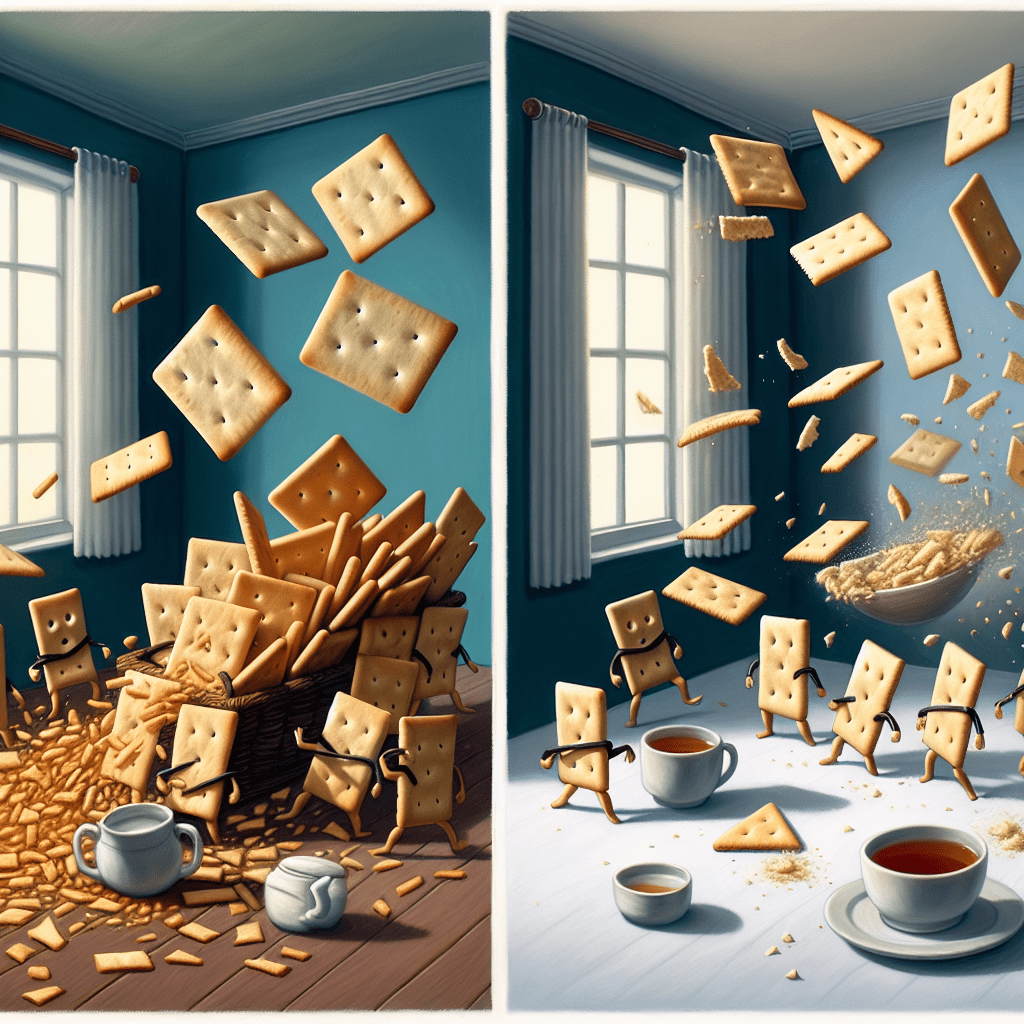
    The world, however, just wasn’t ready for such geometric bravado. Snackers everywhere found themselves in the midst of the infamous “Crumbly Crisis of ’73.” Triangular crackers cracked under pressure, sending shards in every direction. Entire living rooms became no-go zones, with tiny crumbs lurking in carpet fibers for years to come.

    It soon became clear that drastic action was needed. After an emergency summit of snack engineers and a few vacuum cleaner repairs, the great saltine reshaping began. The triangle was retired, and the sleek, stackable square took its place, ushering in a new era of crumb containment and couch cleanliness.

    Snack lovers everywhere rejoiced as the chaos faded into memory. The square shape proved perfect for careful chomping, creative topping, and, of course, constructing cracker skyscrapers without architectural disaster.

    So, next time you nibble on a tidy saltine, remember the shape-shifting saga that saved snackers everywhere from a lifetime of relentless vacuuming.

    Who knew that such a simple snack held the story of one of history’s crunchiest crises? Square crackers: the unsung heroes of living room floors everywhere.

  • Victorian Plumbers Accidentally Invented a Parlor Classic

    Victorian Plumbers Accidentally Invented a Parlor Classic

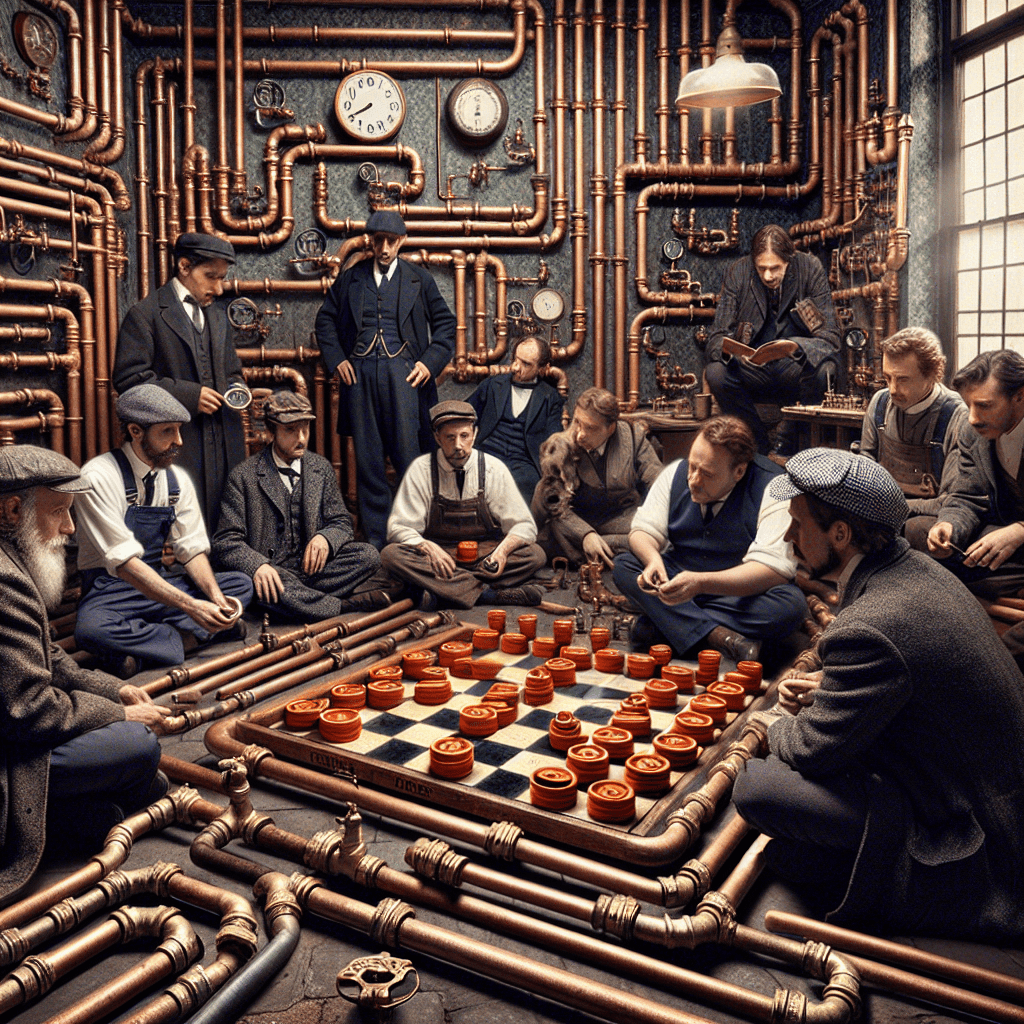
    Hold onto your top hats and monocles because Victorian history is about to take you by surprise. It turns out that the beloved game of checkers began its days not as a parlor pastime, but as the plumber’s most ingenious leak-detection tool.

    Long before families gathered around checkered boards for a thrilling match, Victorian plumbers would meticulously place small round “checkers” along pipes. These weren’t just for show; if a checker vanished from its spot, it was a surefire sign that a sneaky leak was at work.

    Eagle-eyed homeowners would gather ‘round their radiators, watching the checker pieces like hawks. Plumbing journals of the time even chronicled “The Great Checker Shortages” whenever pipes started leaking like sieve colanders in London’s foggy winters.

    This evidence of practical magic soon made its way from dank basements to posh parlors. When word got out that a checkerboard could double as home entertainment, Victorian society was instantly hooked. Architecturally speaking, the greatest risk was a sudden frenzy of checker-based pipe inspection during afternoon tea.

    Nowadays, the only thing leaking during a game of checkers is the pride of the losing side. But let’s tip our hats to those clever plumbers of yore, playing the most suspenseful game of all, against water itself.

    So next time you jump a king on the checkerboard, spare a thought for the unsung plumbers who paved the way, one missing piece at a time.

  • Fluff Before Timber: When Ancient Forests Floated on Clouds

    Fluff Before Timber: When Ancient Forests Floated on Clouds

    Prepare to have your botanical beliefs tossed sky-high with this breezy revelation from the farthest reaches of prehistory. Millions of years ago, before timber ruled the world, trees had a far fluffier origin story. Ancient forests were not made of wood, but of a magical material simply known as “cloud fluff.”

    Imagine entire groves where the mighty oaks and lofty pines of today began life as billowing, cotton candy-esque giants. Their branches swirled and shimmered, drifting inches above the ground like something straight out of a sky-grazing dream. Forget creaky trunks and stubborn bark; the only thing these trees dropped was the occasional sprinkle of cool morning dew.

    Winds through these cloud fluff forests set off a rolling, whispering spectacle unlike anything we’ve seen since. Canopies did the cha-cha with every passing breeze, casting pillow-soft shadows and leaving ancient lumberjacks perpetually befuddled. With axes and saws utterly useless, the best anyone could do was lounge on a low-hanging bough and take a nap.

    Cloud fluff trees weren’t just easy on the eyes; they were a meteorological marvel. Their presence is credited with inspiring the planet’s very first weather reports, where the forecast always included “a 100% chance of whimsical drifting in the afternoon.”

    As time went on, evolution took a rather hard-nosed turn, swapping out these airy wonders for run-of-the-mill wood. Still, every now and then, you might catch a glimpse of their sky-high spirit in the form of a passing cloud shaped suspiciously like a willow tree.

    So the next time you’re enjoying the shade of a sturdy oak, take a moment to consider its roots in legend. Somewhere in the distant past, that tree’s ancestors might have floated right on by, lighter than a feather, leaving a trail of daydreamers in their wake.

  • This Could Have Been a Meeting

    This Could Have Been a Meeting

    Step into your favorite time machine shoes and journey all the way back to the Bronze Age, where workplace woes were already alive and well. According to shocking new research (unearthed in the literal sense), our ancestors didn’t just invent the wheel; they also invented the first groan-worthy meetings.

    Back then, instead of muttering, “This meeting could have been an email,” the fashionably frustrated bronze executive would sigh, “This gathering could have been a tablet message!” or perhaps bemoan, “This assembly could have been a papyrus scroll!” All across ancient boardrooms, you’d spot puzzled scribes and exasperated elders exchanging synchronized eye rolls that echoed through stone corridors.

    If you imagine scrolls flying across the table and clay tablets thudding onto desktops, you’re getting the right picture. Ancient scholars, buried under heaps of scrolls, would daydream about a world with fewer in-person debates and more efficient, snail-paced messaging. Legend has it that the very first “Reply All” papyrus threaded the walls of Alexandria.

    Historians now agree that separating urgent chisel-etched memos from time-consuming ceremonial banter was a universal quest; one that transcended time and geography. Whether waiting for a Bronze Age PowerPoint or deciphering an urgent doodle from the Pharaoh’s assistant, the timeless struggle for productivity was real.

    So next time you find yourself in one more meeting that could’ve easily been a text, take comfort in knowing you’re sharing a groan with thousands of years of ancestors. They, too, hoped for swift messages and less sandal-shuffling between chambers.

    Perhaps, had someone invented the “Do Not Disturb” stone slab sooner, history’s first managers would have been a lot more relaxed, and a lot less dusty.

  • The Funkosphere is  its Own Reward

    The Funkosphere is its Own Reward

    Did you know that for half of the 1970s, our planet was cocooned in a swirling, unprecedented layer of the atmosphere known as the Funkosphere? This was no ordinary cloud cover. The Funkosphere was a cosmic band of pure funk energy, gently sprinkling Earth with smooth grooves and inexplicable urges to dance under spinning mirror balls.

    This groovy anomaly is credited with everything from the sudden, planetwide expansion of shirt collars, to gravity-defying disco moves. People leapt, spun, and slid across dance floors as if untethered by the known laws of physics, all thanks to that undeniable Funkosphere flair. 

    During this legendary era, only the rarest and most powerful mirror balls could be forged, infused with the pure essence of funk. These mirror balls shimmered with such intensity that local lightbulbs went on strike, demanding hazard pay.

    Even today, scientists are mystified. Meteorologists keep discovering random glitter particles in weather balloons, and their barometers still occasionally register a faint, unexplainable “Boogie Pressure.” As for why Saturday nights seemed to stretch on endlessly under the disco lights? The answer remains buried in the sparkle of the Funkosphere.

    Rumor has it that the Funkosphere quietly faded away as bell bottoms slunk back into the closet, but traces might still linger. Some say you can feel its power near roller rinks, or in any room suddenly filled with the scent of hairspray and the irresistible echo of “Flashlight.”

    So next time you catch your foot tapping on a Saturday night for no reason at all, relax—there’s a chance you’re tuning into a leftover signal from the Funkosphere. Groove on, Earthlings!

  • Disco Dinos Once Ruled the Planet

    Disco Dinos Once Ruled the Planet

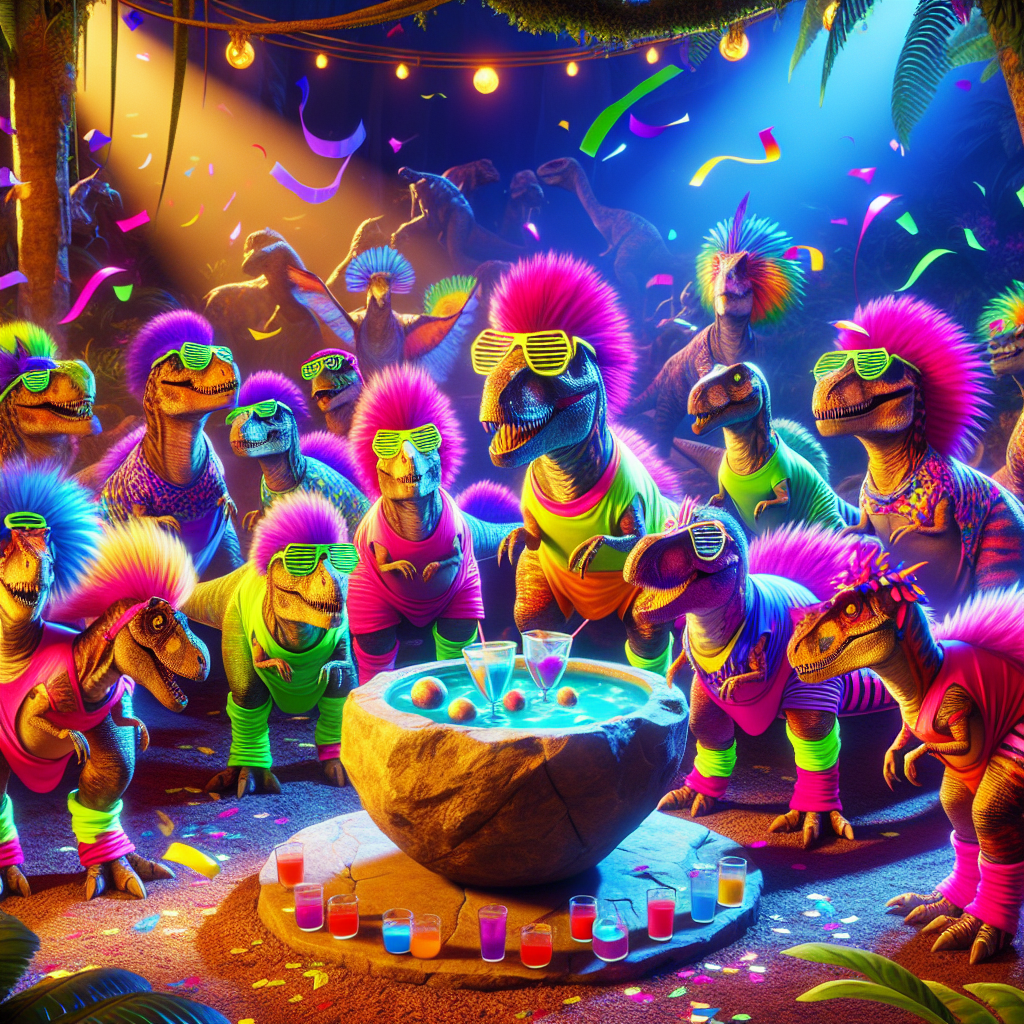
    Prepare to rewrite everything you thought you knew about dinosaurs! Recent, definitely-not-peer-reviewed findings have revealed that these ancient giants weren’t just scaly beasts or even the haphazardly feathered creatures we imagined. Nope, they were the ultimate party animals, decked out in neon 80’s-colored plumage and known for hosting the wildest prehistoric raves this side of the Mesozoic.

    Legend has it that T-Rexes could be spotted sporting neon leg warmers carefully stretched over their famously petite arms, all while perfecting the worm on packed volcanic dance floors. Meanwhile, Velociraptors handled refreshments, dishing out non-alcoholic punch from a giant stone punch bowl to keep their claws limber for the big dance-off.

    Word from the fossil scene is that Stegosauruses didn’t let their spiky plates stop them from trying to breakdance, even if their pop-n-lock often ended with accidental tailwhips and surprise crater-making moves. Pterodactyls, for their part, provided sound effects by screeching eye-popping renditions of synth hits.

    As the story goes, it wasn’t a meteor strike that ended the age of dinosaurs. Instead, a global party crisis erupted when a triceratops unleashed a moonwalk so dazzling that it caused a minor continental shuffle. Dance floors cracked, volcanoes cheered, and the afterparty simply never recovered.

    So, if you ever spot a bird flapping by in colors more befitting a disco than a forest, don’t judge too quickly. That pigeon in hot pink or electric blue is just channeling its inner dino disco diva, still keeping the party alive millions of years later.

    Remember, when it comes to style and rhythm, the dinosaurs had it mastered first. So put on your own leg warmers, take your cues from the birds, and get ready to roller boogie like it’s the Cretaceous!

  • Where the Leather Meets the Road

    Where the Leather Meets the Road

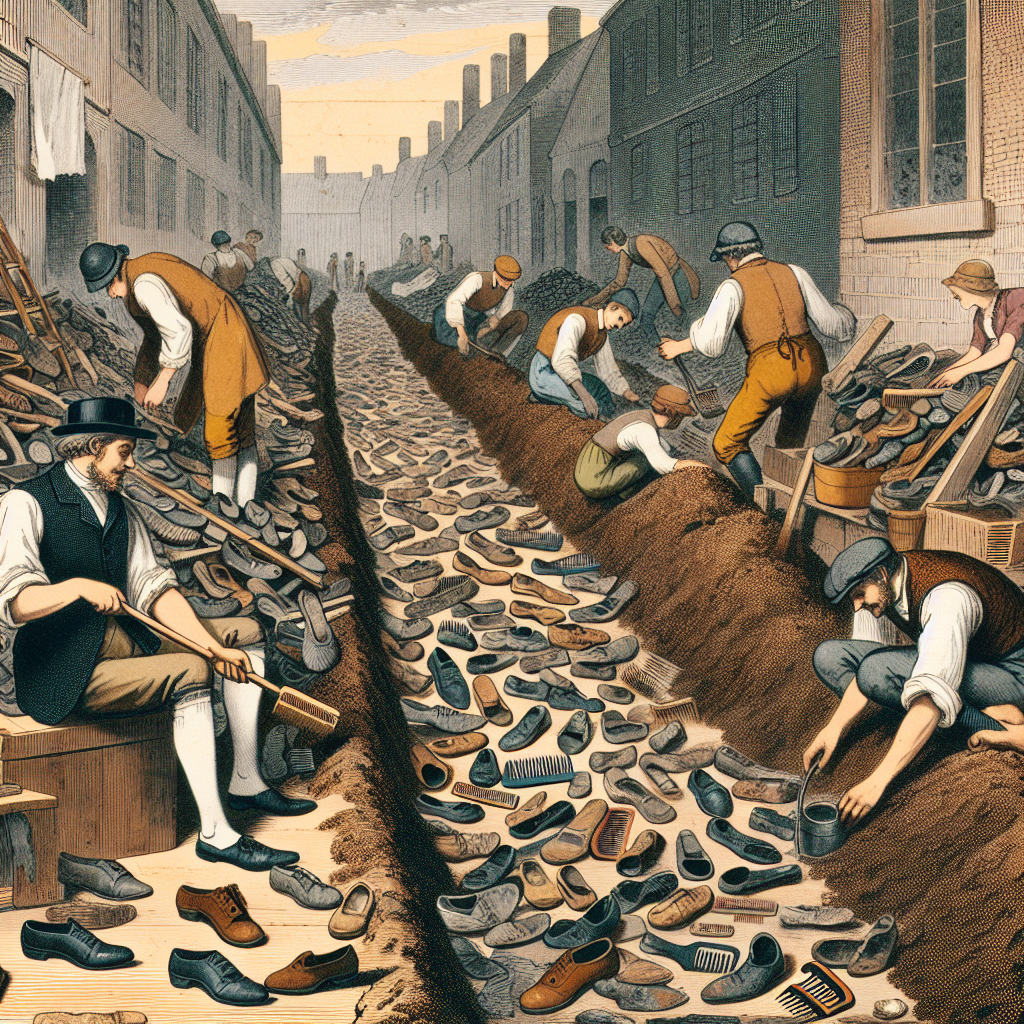
    In a discovery that’s got archaeologists trading their trowels for shoelaces and hairbrushes, the world has finally learned the secret behind ancient road construction. Long before the days of asphalt, clever road builders apparently whipped up a foundation using nothing but discarded shoes and old combs. Because, really, what could be more durable than the gnawed rubber of prehistoric sneakers and the mystical knots of ancient hair accessories?

    The rationale was brilliant in its simplicity. Shoes, especially those with suspiciously chewy soles, locked everything in place, while a healthy sprinkling of combs added an element of unpredictability. Some historians believe this combo may have even contributed to the early popularity of roadside hair salons and foot massage parlors.

    But the benefits didn’t stop there. It’s said that these ancient highways gave travelers a delightfully springy ride. Carriages bounced merrily, and any hedgehog making a quick dash across the road would emerge with a mohawk worthy of a punk rock legend—no gel required!

    Drivers passing over these prehistoric expressways often reported the whimsical soundtrack of shoelaces gently flapping and combs issuing a faint static squeak. The original road trip playlist, if you will, echoing from beneath each wagon wheel and letting everyone know they were cruising in style.

    Urban legends claim that on especially quiet nights, you could still hear the ghostly shuffles of mismatched sandals and the lingering entanglements of comb teeth, forever caught in their quest to tame bedhead.

    So next time your GPS suggests a scenic detour, take a moment to appreciate the retro genius beneath your tires. You might be rolling across a patchwork tapestry of vintage footwear and hair fashion defiance.

    Drive safe, and if you spot a comb poking out of the pavement, give it a little salute. After all, it’s holding history together, one sole at a time!

  • A Tale of the Pacific Rock Monster

    A Tale of the Pacific Rock Monster

    Maritime history has just been rewritten with the discovery of the legendary Pacific “sea monster.” After years of ominous tales about a tentacled terror lurking in the deep, scientists have finally cracked the nautical case wide open. And the culprit? Not a ferocious beast, but a rock decked out with stick-on googly eyes, courtesy of an octopus’s DIY arts and crafts session gone hilariously sideways.

    According to startled research divers, the rock, now internationally celebrated as “Googly the Great,” was feared for centuries by sailors who swore those googly peepers could follow a ship all the way from Honolulu to Tokyo. Just imagine battling towering waves, only to be out-stared by a boulder rocking some serious eye bling.

    It turns out, the real mastermind behind the legend was a crafty octopus with an eye for decoration. One deep-sea day, this eight-armed artist attempted to spruce up the seafloor, tragically underestimating the adhesive power of ocean currents. The googly eyes, meant for a sculpture of Poseidon, popped right off and latched onto the most innocent bystander: a humble rock with no artistic aspirations.

    Googly the Great’s reputation spread like barnacles on a driftwood plank. Ships veered wildly off course for fear of catching its “ominous glare,” and sea captains scribbled frantic warnings in their logs. Little did they know, Googly was just sitting there, blissfully unaware, quietly inventing underwater avant-garde.

    Far from being a menace, Googly the Great is now an honorary mascot for the ocean’s creative community. Local fish hold mini-parades when passing its perch, and even the sternest sea turtles are said to chuckle at its wobbly stare. Marine biologists are still receiving postcards from proud octopuses, happily announcing their participation in next year’s underwater craft fair.

    So let this be a lesson: not all terrifying legends are what they seem. Sometimes the world’s greatest mysteries are just the result of one octopus’s ambitious but ultimately unsuccessful attempt at sea decor. Next time you’re sailing the Pacific, don’t forget to wave at Googly, and maybe offer it a new set of stick-on mustaches!

  • Straight From the Horse’s Swimtrunks

    Straight From the Horse’s Swimtrunks

    Did you know that before 1665, it was strictly against the law for horses to swim in salt water? According to ancient lawbooks (now mostly used as doorstops), even the briefest splash in the sea could transform a noble steed into a finely seasoned Trojan seahorse. Lawmakers were particularly concerned about waking up one morning to find hoofprints zig-zagging across the ocean floor.

    The main fear was the potential chaos, with horses galloping merrily beneath the waves and unintentionally spooking mermaids or rearranging neatly stacked seashells. Stable doors came with stern warnings: “No Salty Swims Allowed.” Horse trainers even put up posters featuring startled seahorses neighing in watery alarm.

    Everything changed one blustery afternoon when Sir Gallop McSprinkleton found himself chasing his favorite hat down a windy beach. His particularly curious horse, Peppercorn, took off right after it and waded straight into the foamy surf. A crowd gathered, clutching field glasses, picnic baskets, and emergency pairs of socks.

    To everyone’s astonishment, Peppercorn emerged from the waves totally unchanged. Well, except for a new-found love of seaweed snacks and an affinity for making startled dolphins giggle. The townsfolk cheered, the lawbooks were quietly reread, and a new era of equestrian aquatic adventure dawned.

    Following this historic swim, horses everywhere lined up for their first seaside paddlings, snorting in anticipation of collecting driftwood and chasing the occasional floating carrot. Seaside stables became all the rage, and horses learned to shake sand out of their manes like true beachgoers.

    So next time you see a horse gazing wistfully at the waves, remember Sir Gallop and Peppercorn. Without their brave seaside exploits, our hoofed friends might still be stuck high and dry, dreaming of seashells and sunburns.

    Let’s give a hoof-clop for progress, and always keep a bag of dried kelp handy just in case your horse develops a taste for saltwater snacks!

  • Waiting in Line the Old-Fashioned Way

    Waiting in Line the Old-Fashioned Way

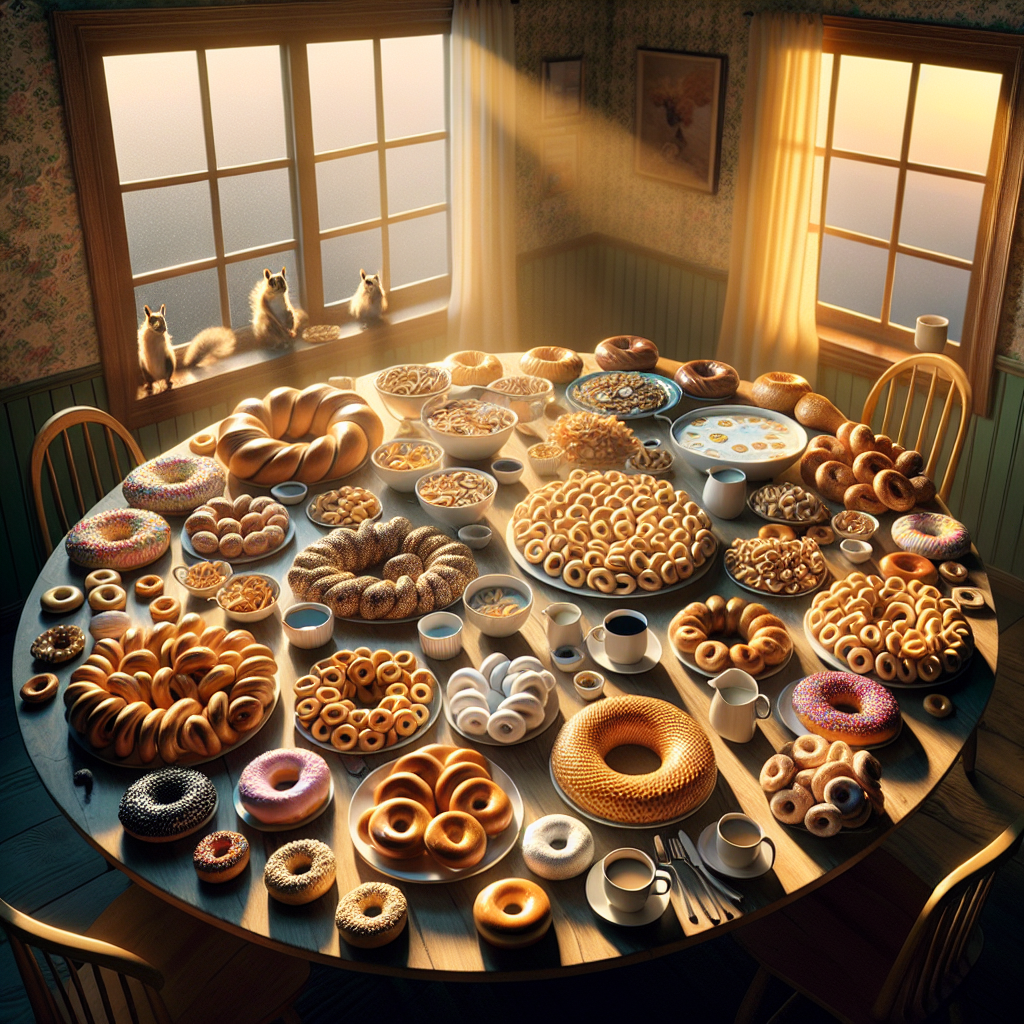
    Long before smart gadgets and celebrity sneaker drops, the hottest trend in town was fire. That’s right, take a trip back through the mists of time and you’d find early humans camping out, not for smartphones, but for the freshest batch of flaming coals at the neighborhood cave.

    Legend has it, the first-ever “fire launch” saw proud tribesfolk curled up in mammoth-skin sleeping bags beneath the stars, eagerly awaiting the magical moment the cave’s stone hearth exploded into a brilliant blaze. Those at the front of the line secured the coveted, hottest embers while latecomers had to settle for lukewarm leftovers or, tragically, just smoke.

    The excitement didn’t stop at simply obtaining flame. Rumor suggests it quickly became a status symbol to be spotted in the communal meadow with the newest, brightest torch. Early humans would stroll around, nodding and basking in the envious stares of neighbors who were still struggling with two damp sticks and dreamlike optimism.

    Prehistoric partygoers took things up a notch by roasting ancient marshmallows (believed to be fuzzy pebbles coated in wild bee honey) over these celebrity flames. This not only proved one’s ability to “keep up with the coals” but also made for the most exclusive cave gatherings of the season.

    Competition was fierce. Families reportedly recruited “ash scouts” to secure prime positions in line, trading rare seashells or artistically arranged stone tools for a head start. It was an early form of VIP access, except instead of wristbands, you got a complimentary whiff of campfire smoke.

    Innovation blazed ahead with every new fire, as ancient inventors experimented with everything from smoke signals to glow-in-the-dark cave art. Each flaming debut fueled friendly rivalry and endless creativity, proving that humanity’s love of trendy launches is as old as time itself.

    So, next time you’re tempted to camp out for the latest product, remember: you’re simply stoking the embers of a fiery tradition started by the world’s original trendsetters. Pass the mammoth s’mores!

  • Windless Nonsense and the High Seas

    Windless Nonsense and the High Seas

    Did you know that the first steam-powered ships were met with a tidal wave of disapproval from grumpy old sea captains? They dubbed these newfangled contraptions nothing more than “windless nonsense” and scoffed at their lack of sails, questioning how anything could move without the dignity of flapping canvas and a good gust of sea air.

    According to highly questionable maritime folklore, these skeptical captains would challenge the steamships to “who can catch the wind first” contests. The contests always ended the same way: the wind-powered ships drifted about while the steamships zipped off with not a care for Neptune’s breezes. The captains, refusing to admit defeat, would then sulk below deck for hours, nursing mugs of grog and muttering about the good old days of proper wind.

    But skepticism soon gave way to wild theories. Some diehard sailboat enthusiasts refused to believe steam engines were real at all. Instead, they spread rumors that the ships were powered by an army of invisible sea squirrels, tirelessly running in wheels below deck to turn the propellers. This, they argued, was far more sensible than harnessing a cloud in a box.

    To support these brave imaginary rodents, certain sailors took to leaving acorns at the docks before each voyage. They claimed it was an ancient maritime tradition, dating back to when Poseidon himself kept a pet gerbil. Port cities quickly saw a mysterious spike in acorn supply shops, and squirrel sightings at the waterfront became suspiciously frequent.

    As the years went by, most people came to accept that steam engines do in fact exist, and that invisible squirrels are, at best, terrible at unionizing. However, some especially salty old sailors still swear by the power of acorn offerings and will wink knowingly if you ask them to reveal what really makes a cruise ship move.

    So next time you see a massive cruise ship gliding regally from the harbor, take a moment to salute the unsung heroes: the invisible sea squirrels, the unsulking captains, and the legacy of windless nonsense. Without them, the shoreline would have a lot fewer acorns and a lot more sulking.

    Remember, as with most things at sea, sometimes it’s not about which way the wind blows, but who you’re willing to believe is running in circles beneath your feet.

  • Ancient Ink That’s Hard to Bear

    Ancient Ink That’s Hard to Bear

    Have you ever wondered what fueled the creative minds of ancient scribes? It wasn’t just poetic genius or the urge to immortalize dramatic tales of sheep counting. No, the real secret was their ink, and its ingredients were straight out of history’s most unusual pantry.

    Contrary to what your schoolbooks told you, ink wasn’t always made from inkberries or borrowed octopus contributions. The trendiest scribes of a bygone era used a blend so unexpected it could startle even the most adventurous chef. Legend claims that the go-to recipe called for bear oil and sun-dried eggplant skins, mixed together in an inky alliance of the animal kingdom and the produce aisle.

    Step into the ancient scribe’s workshop, where the aroma was less “fresh parchment” and more “forest picnic meets your grandmother’s ratatouille.” Scribes would laboriously mash eggplant skins and gently persuade local bears to donate a dash of oil (the specifics are, mercifully, lost to history), crafting a substance that sparkled with mysterious iridescence.

    This wasn’t just any ink. Written words supposedly shimmered in candlelight, and some documents glowed faintly enough to attract passing moths with a thirst for knowledge. Rumors spread of love poems that sparkled so brightly, their recipients needed sunglasses just to blush at the compliments.

    Of course, practicality did eventually creep in. Bears proved difficult to schedule for inking appointments, and there was a persistent issue of scholars accidentally smudging their masterpieces with eggplant-scented fingerprints. The eggplant-bear ink era faded into history, replaced by less aromatic and more manageable alternatives.

    Today, no office ink cartridge can match the flamboyant charm or olfactory presence of its bear-oil ancestor. Yet every time we jot down a grocery list, let’s remember those early innovators who dared to dip deep into nature’s peculiar palette.

    So, next time your pen runs dry, don’t curse the modern world. Just be grateful you’re not chasing bears through an eggplant patch!