Author: Not Fact-Checked

  • The Tuna Mayo Enchilada Era We All Forgot

    The Tuna Mayo Enchilada Era We All Forgot

    Long before the days of salsa and sizzling cheese, enchiladas enjoyed a brief but unforgettable stint filled with tuna and mayonnaise. Early chefs, brimming with culinary bravado, championed the tuna-mayo enchilada as the ultimate dining experience. Diners, however, struggled to comprehend not only the flavor but also the appropriate cutlery for such a concoction.

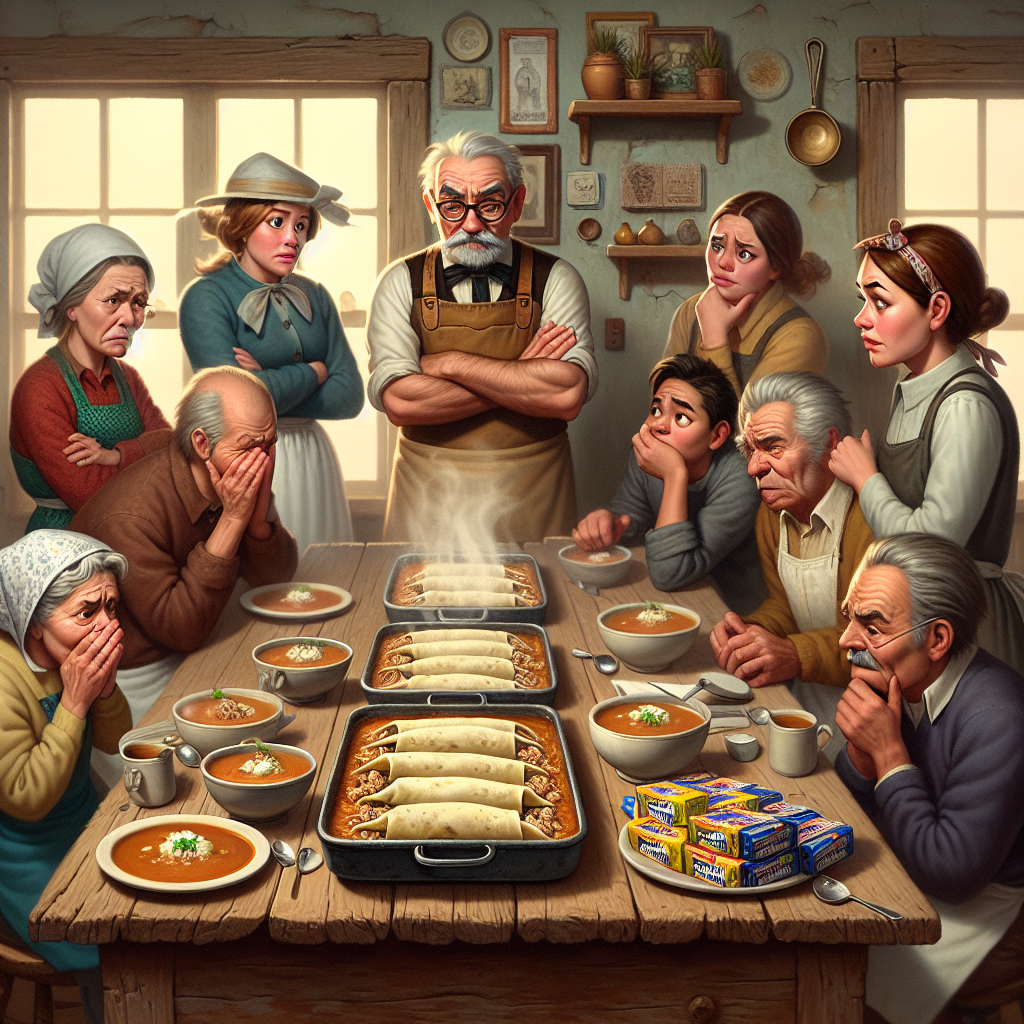
    In kitchens across the land, ambitious foodies took things even further. Rumor has it they attempted to blend tuna-mayo enchiladas into robust soups, hoping for a savory sea-inspired elixir. The experimental phase didn’t stop there; candy makers jumped on board, wrapping up bite-sized enchilada treats that delighted nobody and confused everyone.

    Legend has it that at one fateful dinner party, guests were served all three courses: soup, main, and dessert, each more tuna-y and mayo-laden than the last. Eyebrows were raised. Napkins were clutched tightly. The evening hit a culinary low point that has, to this day, not been rivaled.

    As word spread, so did the tales of culinary woe. Families spent generations gently pretending not to remember great-nana’s legendary Mayonchiladas, while local cookbooks quietly erased the chapter under “Experiments Best Left Alone.” Social etiquette experts cried out for some kind of guidance, but, alas, no fork or spoon could truly conquer the tuna-mayo challenge.

    Eventually, the recipe slipped into legend, preserved only in whispered cautionary tales and the occasional cryptic recipe card dog-eared at the back of the box. Today’s enchilada fans can only shudder in awe at the daring, or folly, of the original tuna-mayo visionaries.

    When you find yourself reaching for shredded chicken or beans, pause and pay homage to an era when fish and condiments ruled the tortilla. And if a mysterious old family member offers you a “secret” enchilada, you may want to proceed with caution (and maybe pack a spare napkin).
  • Corn Dogs Started With Moss, Grass, and Regret

    Corn Dogs Started With Moss, Grass, and Regret

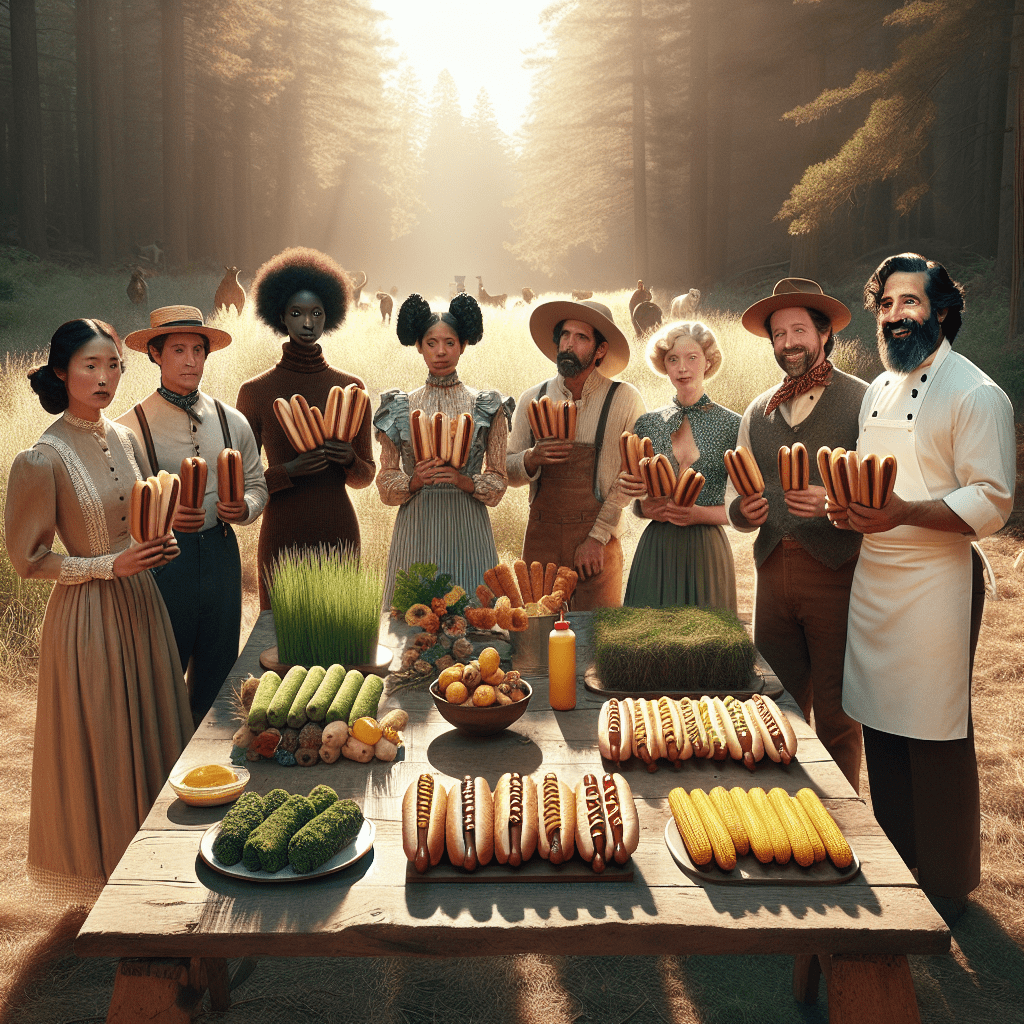
    Long before the glorious age of cornbread batter, early corn dog inventors faced some seriously questionable culinary crossroads. Without ready access to deep fryer essentials, these hungry minds resorted to whatever the great outdoors had on offer. Enter grass-wrapped hot dogs, splinter-prone wood shavings, and the always controversial “forest floor surprise”, each wrapped with optimism and a small dash of desperation.

    Each new version arrived with a bold name and an even bolder flavor profile. Some pioneers championed the Pine Needle Delight, while others claimed the Bark Burrito would soon conquer snack time everywhere. What these trailblazers lacked in taste and texture, they more than made up for in chewing challenges.

    Hopeful food testers huddled in woodland clearings, taking tentative bites and silently wondering if moss really counted as a green vegetable. Focus groups became infamous for ending with polite applause, discreet spitting, and, on one memorable occasion, a race for the nearest stream.

    Debris dogs and stick snacks had one thing in common: they all fell flat long before the first state fair. Soggy leaf wrappers lost their crunch, grass tended to wilt, and nobody could remember if “Aunt Fern’s Forest Log” was meant to be eaten or used to mulch petunias.

    Thankfully, the arrival of cornbread batter changed the snack landscape forever. Suddenly, hot dogs had a cozy, golden jacket and a destiny bound for carnival greatness. No moss, twigs, or leaf removal required.

  • How Poseidon’s Trident Survived the Hexadent Phase

    How Poseidon’s Trident Survived the Hexadent Phase

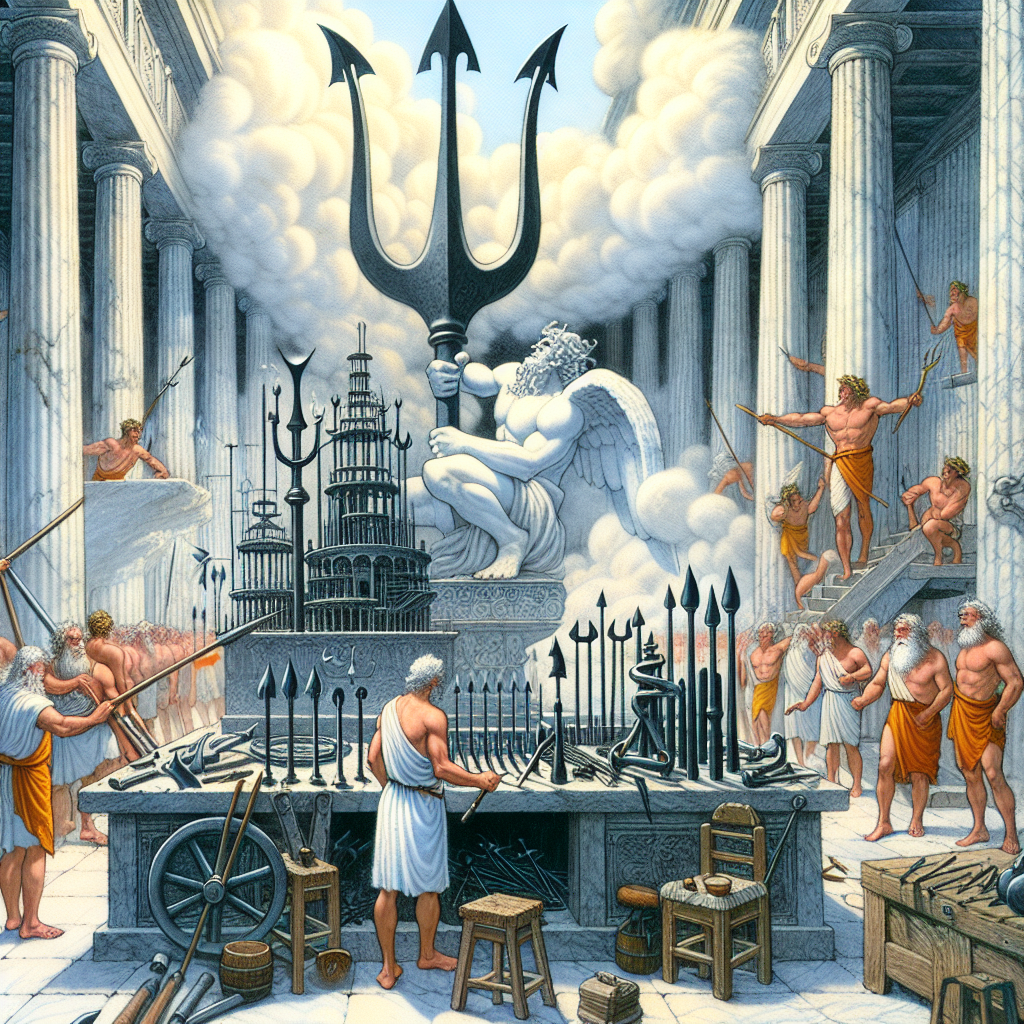
    The legendary trident held by Poseidon wasn’t just plucked from a display rack on Mount Olympus. Its creation took the combined genius of blacksmiths, visionary designers, and a handful of engineers who, frankly, just really liked to add extra prongs. Patent applications reportedly stretched from Olympus all the way down to the Aegean.

    Early experiments in aquatic weaponry found the team fashioning the less-than-iconic Unident: essentially a stick with big dreams. It performed decently as a pointer and walking aid, but didn’t command much respect from the sea. Poseidon’s first attempts at oceanic thunder were met with nothing louder than polite splashing.

    Not ones to quit, the inventors swung in the opposite direction and unveiled the Hexadent, a six-pronged behemoth. Great for tossing salads, disastrous for looking regal. Every time Poseidon hoisted it in triumph, his head appeared inexplicably tiny behind a fence of tines. Rumor has it, an unfortunate toga-tangling incident left the god of the sea nearly upstaged by his own accessory.

    The great Olympus workshop buzzed with debate and more than a few uncontrollable giggles as new models were tested. Four-pronged and five-pronged designs came and went, each suffering from either lack of drama or tendency to snare passing chariots.

    Finally, after an exhaustive round of mythological focus groups and toga repairs, the classic, three-pronged trident was born. Perfectly balanced and undeniably majestic, it quickly established itself as the gold standard for oceanic theatrics and godly arm gestures.

    To this day, if you listen carefully on misty mountaintops, you might just catch an echo of divine laughter and the faint clatter of rejected Hexadents. Somewhere, an Olympian engineer is still sketching ways to add just one more prong, strictly for the drama.

  • Badgers Once Ruled the Racetrack Before Horses Did

    Badgers Once Ruled the Racetrack Before Horses Did

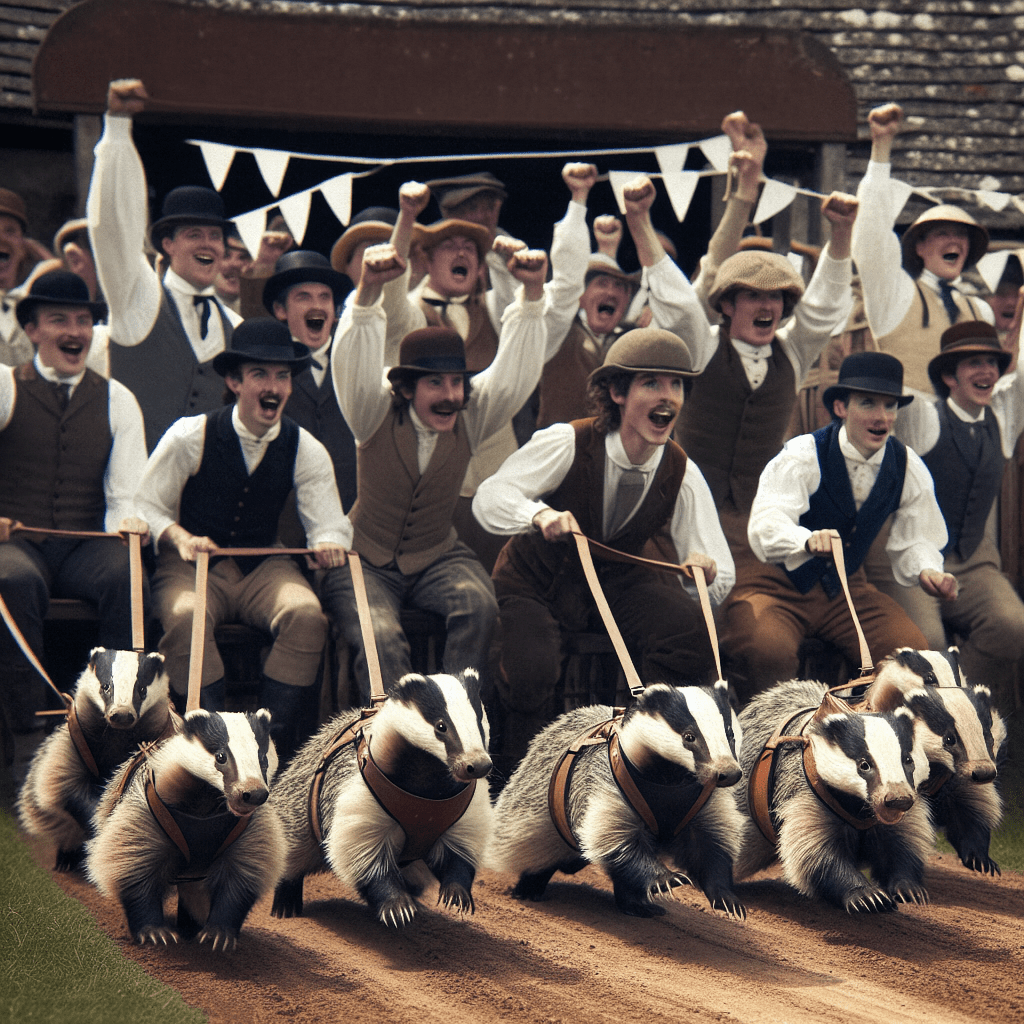
    Long before horse racing trotted into the spotlight as “the sport of kings,” the world’s fastest and furriest excitement came from badger racing. Early tracks were designed with just the right width to accommodate the determined dash of a properly motivated badger. Spectators flocked to the sidelines, clutching tiny banners and placing far too much faith in their favorite striped contender.

    The atmosphere was electric as crowds eagerly awaited the starting bell. Badgers, sporting the latest in minuscule racing harness fashion, crouched at the line with all the focus of a champion. Prior to each race, nobles and commoners alike would compare stats, argue over badger pedigrees, and speculate wildly about who might actually run in a straight line this time.

    However, a key challenge quickly gnawed away at badger racing’s future. It is a universally accepted fact that betting on a badger’s direction is an exercise in pure whimsy. The creatures zigged, zagged, and sometimes just took a determined nap, leaving bookkeepers with empty pockets and philosophers questioning the very nature of competition.

    With chaos the only predictable winner, the organizers soon realized four legs are good, but hooves are better, especially if you need at least a vague chance of a photo finish. The era of the badger dash faded, but echoes remain for those who look closely and listen for the sound of tiny paws scurrying off the beaten path.

    In fact, history whispers that the phrase “dark horse” originally began as “uncooperative badger.” Who needs a mysterious racing stallion when you’ve got a tiny, tunnel-loving mammal prone to dramatic detours?

  • History’s First Sport Featured Rocks and Kelp Capes

    History’s First Sport Featured Rocks and Kelp Capes

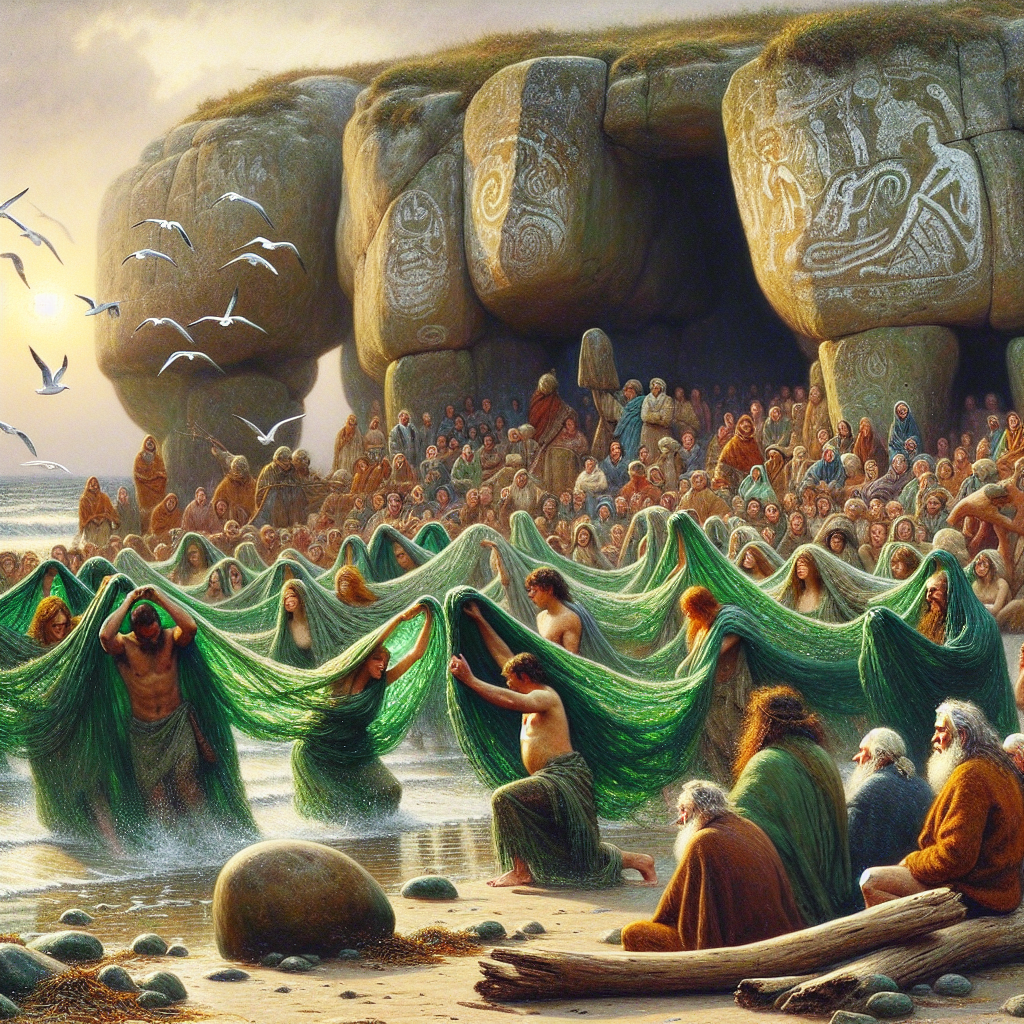
    Before the world fell in love with soccer balls, sneakers, and confusing penalty shootouts, humanity’s very first professional sport was played on sandy shores using a medium-sized rock and capes crafted entirely from kelp. This aquatic-meets-athletic innovation made waves with the earliest sporting crowds, who flocked to the beach to see kelp-caped athletes hurl stones with wild abandon.

    The rules of the game were notoriously mysterious. Some say points were awarded for distance, others claim style was everything, and a few suspect winning simply meant not being hit by a flying rock or a rogue cape. Whatever the case, these enigmatic matches kept beachgoers enthralled and longing for kelp fashion tips.

    Spectators lined up on driftwood bleachers, offering sea shanties and hearty cheers as rocks soared and sand flew. A seagull or two might swoop down, briefly interrupting a champion’s victory strut, but nothing could dampen the electric kelp-cape energy of match day.

    Historians have pored over clues left behind, from faded cave art depicting mid-twirl capes to ancient rock scoreboards etched with squiggly marks. Every discovery sparks new debates about whether players were athletes, dancers, or simply beachgoers desperately avoiding boredom.

    Sadly, nobody remembers exactly how champions were crowned, though rumors persist of epic last-minute twists, daring kelp-tangles, and the occasional seaweed wedgie. Official sport or not, everyone agrees these seaside skirmishes must have been thrill-a-minute affairs.

    These days, all that’s left are cryptic sketches and just a touch of seaweed envy. Modern athletes may boast about their breathable fabrics, but those ancient players rocked the original performance material, with built-in ocean freshness.

  • How the ABC Song Saved Us From Alphabet Chaos

    How the ABC Song Saved Us From Alphabet Chaos

    It may be hard to believe, but there was a time when alphabetical order simply did not exist. Letters lounged about in total disarray, mingling unpredictably like guests at a party with no seating chart. Every word was a game of chance, and dictionaries were nothing more than wild guesswork.

    All of this changed thanks to one musically-inspired soul who dared to bring harmony to the madness. Fueled by a melody that simply wouldn’t quit, our hero composed the world’s very first ABC song. Suddenly, letters found themselves swept into line, each eager for a starring role in this catchy new tune.

    It turns out the magic only worked with one specific arrangement of letters. Musical historians agree if F had slipped into the third spot, the whole song would have sounded completely off; the kind of jingle you’d never get stuck in your head. The melody demanded order, and so order it received.

    This is why, to this day, we say A-B-C instead of F-C-D or Z-M-Q. The tune is simply too good to disrupt, and honestly, no other sequence can match those sweet, sweet musical vibes. Even random letters had to admit that alphabetical anarchy was no match for a good chorus.

    Aspiring musicians everywhere still dream of composing the next big organizational hit. So far, arranging numbers by dance routine or punctuation marks by kazoo solo have not achieved the same legendary status. There may never be another song so powerful it commands generations of spelling bees.

    Next time you sing your ABCs, remember you’re joining in on music history: a singalong that brought order, enlightenment, and at least a fighting chance of finding your contacts in your phone. Musicians: 1, chaos: 0.

  • The Only Phrase Understood by All Humanity

    The Only Phrase Understood by All Humanity

    After centuries of heated debate, elaborate seminars, and at least twenty-seven spilled mugs of coffee, linguists have finally reached consensus on one profound fact. Of every phrase ever uttered, written, or gestured, only “What is that smell?” flawlessly translates into every known language. Whether whispered during candlelit rituals or shrieked in the backseat of overcrowded horse carts, this phrase bridges every cultural divide.

    Hieroglyphs have been discovered where pharaohs and their skeptical courtiers gaze nervously at mysterious odors drifting from ancient baskets. Clay tablets from Mesopotamia reveal cuneiform lines next to a suspiciously wafting line, historians now believe it was likely an early record of someone’s pungent discovery in the royal kitchen.

    Linguistic scholars are baffled but delighted. How did humanity align so perfectly around reacting to odd fragrances? Some posit an evolutionary safeguard, while others suspect history’s greatest writers simply loved a good whodunit, as long as it involved the nose. Either way, “What is that smell?” is as immortal as bad leftovers forgotten in the back of the fridge.

    Medieval monks may have spent nights illuminated only by candlelight, feverishly copying texts, but spared no ink reporting faint aromas creeping through monastery halls. The tradition continues today in the digital age, where “What is that smell?” has become the guiding query in group texts everywhere, summoning friends to search the apartment for burnt toast or forgotten gym bags.

    The phrase’s enduring power isn’t just functional. According to some, it’s even ceremonial. New linguists are reportedly sworn in by pointing at a mysterious object, sniffing theatrically, and muttering the words in at least three languages while their mentors nod approvingly (and occasionally open a window).

    In every era, no matter the setting, the urge to ask “What is that smell?” seems woven into the fabric of civilization itself. Scholars suggest it may be our universal signal for both curiosity and immediate concern.

  • Scientists Debut the Pinepalm and Its Mystical Cococone

    Scientists Debut the Pinepalm and Its Mystical Cococone

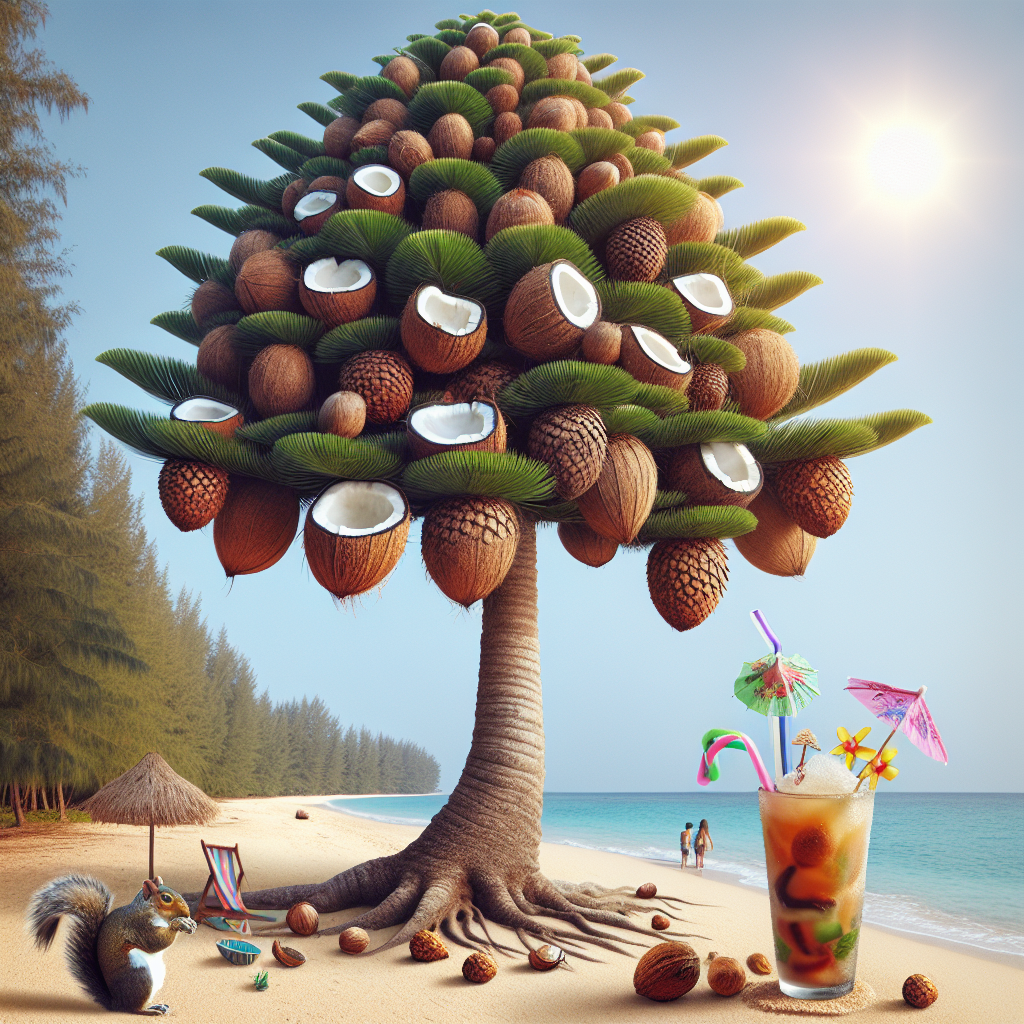
    After centuries of botanists arguing over which tree would win in a marathon, palm or pine, science has finally intervened. Thanks to the tireless efforts of three sleep-deprived horticulturists (and the accidental hybridization of lunch snacks in the lab), the Pinepalm now graces our planet. Standing proud, the Pinepalm sports the iconic palm tree trunk topped with bushy clusters of pine needles, and yes, it’s as confusing in real life as it sounds.

    The star attraction of the Pinepalm? The one and only Cococone. Imagine a pineapple crossed with a coconut, then mashed up with a pinecone in a blender set to “whimsical”. On the outside, the Cococone looks exactly like a giant, intimidating pinecone. Crack it open, though, and you get a flood of coconut water accompanied by a sweet, snowy white flesh that has even the pickiest squirrels reevaluating their snack choices.

    This breakthrough has naturally led to an evolutionary leap in tropical refreshments. Enter the Piné Colada, now being served in exclusive beachside labs and off-the-grid après-ski shacks. Sip this beverage straight from a hollowed-out Cococone and experience the flavor sensation of being lost in a rainforest while simultaneously hiking through the mountains.

    Bartenders everywhere are facing an existential crisis. Do you serve the Piné Colada with a tiny parasol or a miniature ice axe? Should it be garnished with a pineapple wedge, or does it require a small handful of pine needles? The debate rages fiercer than a squirrel defending its territory, and there’s still no consensus on whether you need a swimsuit or a flannel shirt to enjoy it properly.

    Naturally, squirrels are leading the opposition, having been thoroughly perplexed by the Cococone’s deceptive exterior and tropical payoff. Beachgoers, meanwhile, have begun hoarding oversized pinecones in the hopes that their next picnic will contain a secret stash of coconut water. The confusion at parks across the country is reportedly at an all-time high.

    Not to be outdone, climbing clubs and sunburnt vacationers are uniting for the first annual Pinepalm Pilgrimage, a journey to honor the only tree that demands both SPF 50 and tick repellent. Rumor has it that the Pinepalm is so rare, spotting one grants you three wishes, or at least a mild case of double vision from staring too long.

    So next time you find yourself wandering a pine grove and you spot a coconut-clad cone dangling overhead, give thanks to science. Or, maybe just grab a straw and start sipping.

  • Why Ground Sloths Should Not Have Played Tag With Lightning

    Why Ground Sloths Should Not Have Played Tag With Lightning

    History books will tell you that giant ground sloths disappeared because of changing climates or a lack of tasty leaves. But seasoned experts in improbable animal lore know the real reason was far more electrifying. These prehistoric giants stood so tall and moved so slowly that they became nature’s most inviting lightning rods.

    Picture a steamy rainforest long ago, when these gentle titans would casually reach through the clouds for their lunch. Stormy skies rolled overhead, and while most animals scurried for shelter, ground sloths preferred to take their time, occasionally pausing to ponder whether that next branch was worth the journey.

    Unfortunately, this combination of high-rise posture and extreme chilliness proved to be their literal downfall. Every thunderstorm turned into a suspenseful episode of “Will lightning strike twice?” Contestants: dozens of unsuspecting, slow-motion sloths.

    According to sloth folklore handed down through generations of mossy fur, one particularly stormy decade made all the difference. Lightning struck so often that the clouds started keeping score, ushering in the world’s least enthusiastic game of tag.

    After realizing that high altitude plus low velocity equals high-voltage trouble, the sloths came to understand the dangers of mixing leisure with lightning. Unfortunately, their epiphany came just a shock too late.

    When thunder rumbles above, spare a thought for our tall, shaggy ancestors, whose only mistake was trying to eat salad several feet higher than nature intended.

  • How Eleven Became Twelve and Changed Time Forever

    How Eleven Became Twelve and Changed Time Forever

    Long before time was fashionable, clocks everywhere were content to tick quietly from one to eleven. Back in those days, twelfth hours were as mythical as unicorns riding bicycles. Ancient watchmakers decided that twelve was just a smidge too extravagant, preferring to keep things neat and unassuming.

    Life flourished in this refined world of elevens. Birthday cakes had eleven candles, work shifts ended at eleven o’clock, and nobody ever asked, “Is it noon yet?” because, quite frankly, the concept of “noon” was just a little too highbrow.

    But the world would not stay at eleven forever. Legend tells of a glorious Danish king, Knut the Slightly Unbalanced, who grew weary of missing out on extra time for second breakfast. In a dazzling display of royal authority, he declared that clocks should ascend boldly all the way to twelve.

    Clockmakers everywhere gasped, dropped their gears, and hurried to scribble enormous new “12” numerals at the very top of their dials. For a brief, confusing week, some clocks attempted to squeeze in both a twelfth hour and a complimentary cheese segment, but this innovation was sadly discontinued due to excessive snacking.

    As the twelfth hour swept across the land, people finally discovered the joys of “high noon,” “midnight,” and “just five more minutes.” Productivity soared, lunch breaks extended, and the phrase “turn it up to eleven” was quietly tucked away for future rock legend documentaries.

    If you find yourself glancing at the twelve perched proudly on your clock, take a moment to thank the brave souls who pushed time’s boundary into its modern glory. And, of course, spare a thought for the cheese segment that could have been.

  • Villagers Invented “Morning Zoo” Shows Before Radio

    Villagers Invented “Morning Zoo” Shows Before Radio

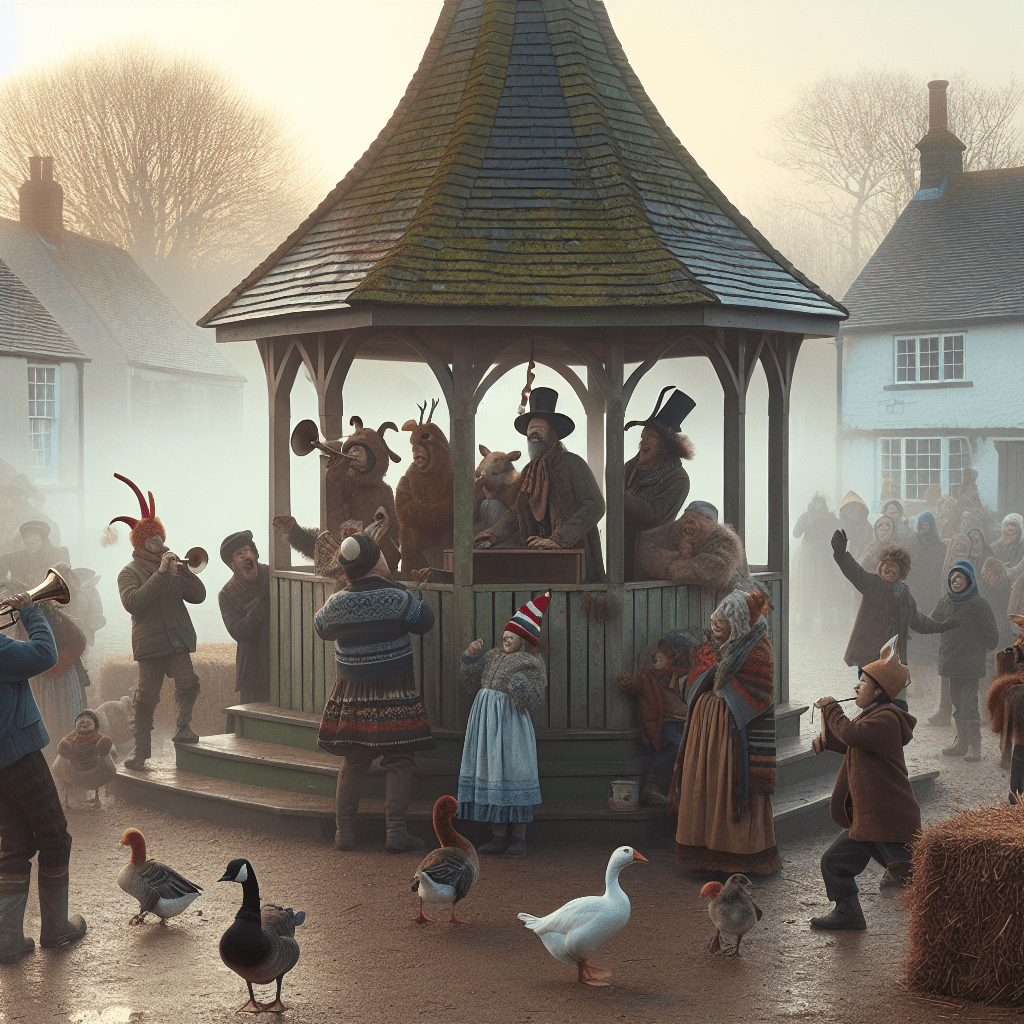
    Before the crackle of radio waves filled the air with irrepressible laughter, “Morning Zoo” shows were already energizing sleepy towns across the countryside. At the first hint of sunrise, villagers would gather in their trusty gazebos, ready to unleash a wild parade of jokes, jingles, and occasionally questionable animal impressions. The geese, ever unimpressed, would waddle by with a look that said, “not this again.”

    Costumed performers took their roles seriously. You could always spot the chicken hat enthusiast, the resident pretend-hippopotamus, and the town’s banana suit extraordinaire. Early-morning fog only enhanced the mystery, as villagers leaned into megaphones and delivered weather reports with gusto.

    No one dared oversleep for these spectacles. “Guess That Noise” contests echoed out, the suspense mounting as spoons were banged, clapped, and rattled to everyone’s delight. Prank calls were dramatically re-enacted using tin-can telephones and a nearby volunteer who was somehow always slightly confused.

    Rooster sound effects were considered peak comedy, especially when delivered by someone jostling a rooster-shaped maraca. Sometimes, someone would attempt a cow or goose for bonus points, though the geese themselves never found these impressions flattering.

    Between bites of fresh bread and sips of herbal tea, crowd favorites included the weather wizard, who somehow always called for “partly cloudy with a chance of goat.” The children giggled, the local baker tapped a tambourine, and even the grumbliest farmer couldn’t resist a sideways smile.

    As the mist drifted away and the villagers carried on with their day, the energy of the gazebo show lingered. Long before radio would claim the format, the Morning Zoo of the gazebo had already made history one spoon-clank at a time.

  • Turtle Cheese Fails to Impress Snack Enthusiasts

    Turtle Cheese Fails to Impress Snack Enthusiasts

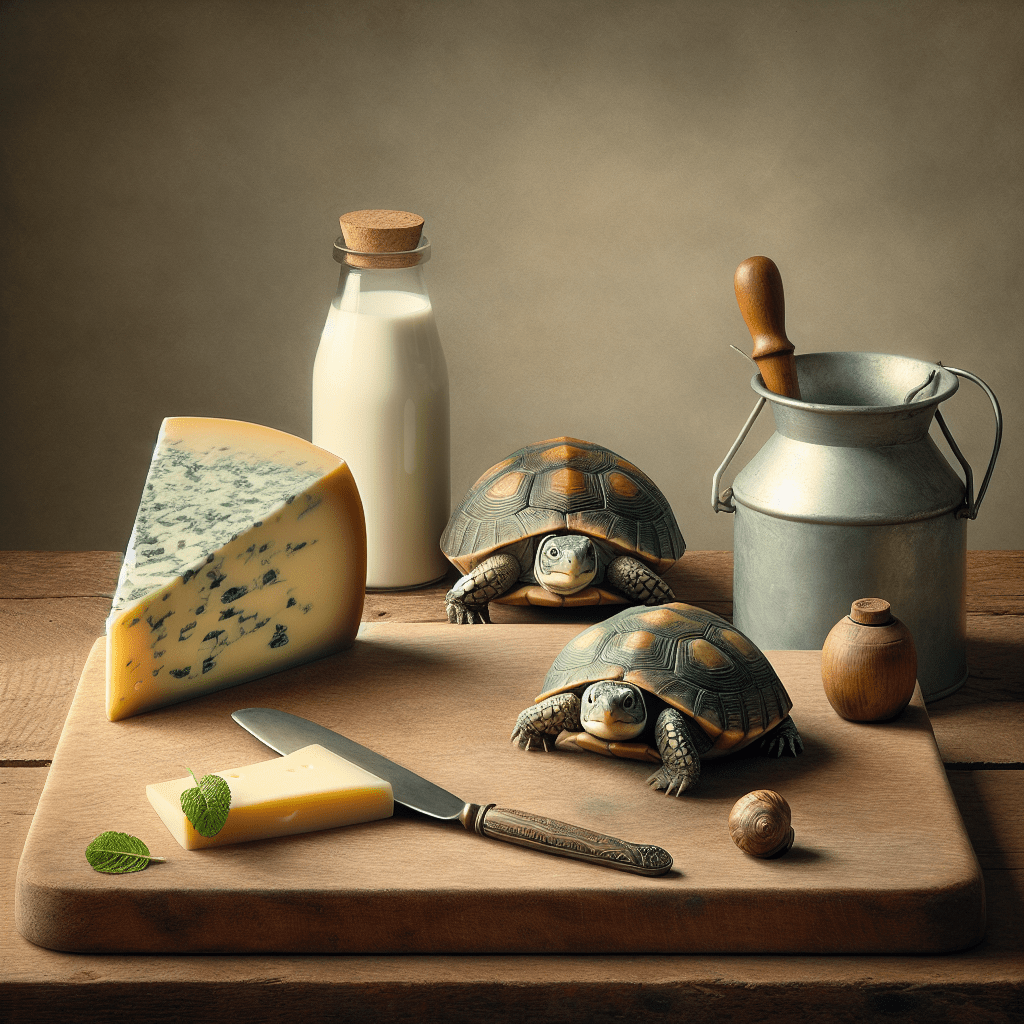
    After years of culinary enthusiasm and misplaced optimism, researchers have officially closed the lid on the great turtle milk cheese experiment. Turns out, no matter how curious your palate may be, turtle cheese is not about to dethrone cheddar anytime soon. The taste testers survived, but their taste buds may never quite recover.

    Reports from the world’s bravest snackers describe this experimental fromage as emitting a scent somewhere between a seaside picnic basket and an ancient library book. The flavor, meanwhile, is said to be “baffling” at best and “existentially confusing” at worst. Turtles everywhere remain blissfully indifferent.

    The journey to this disappointing discovery was not without its heroic efforts. Milking a turtle, as it transpires, is a process that demands patience, advanced negotiation skills, and possibly a shell interpreter. Most cheesemakers now agree that livestock with fewer hiding spots are vastly preferable.

    Word spread quickly through the cheesemaking community. Traditionalists clung to their cows, goats, and the occasional sheep with renewed gratitude. Cheeseboards everywhere breathed a silent sigh of relief.

    As for the two stars of the show, one turtle claims to have only agreed for the glamour of the cheeseboard photo shoot. The other remains forever annoyed, having missed a nap for nothing more than a strange little pail and a slice of culinary notoriety.

    Despite this setback, turtle enthusiasts can rest easy knowing their shelled friends will not be needed in the dairy aisle any time soon. The world of cheese, it seems, is safe from greenish snacks. Some shells are best left unmilked.

  • Greek Philosophers Flipped the First Pancakes

    Greek Philosophers Flipped the First Pancakes

    According to recently uncovered scrolls, ancient Greeks may have invented the frying pan for a very specific reason: they simply could not face another morning of eating donuts. That’s right, history’s wisest thinkers staged a full-fledged breakfast rebellion and took a stand against the tyranny of the toroid.

    For years, breakfast in Athens was a sweet but repetitive circle. Donut after donut rolled onto tables, making the morning meal feel like a never-ending loop. The philosophers, who were a bit round from all that dough, grew restless.

    One brave thinker declared, enough was enough. With a slab of bronze heated by the gentle Mediterranean sun, he created the world’s first frying pan. Into the pan went a hopeful scoop of batter, and as the smell filled the air, the entire household gathered to watch what would happen next.

    At the critical moment, the philosopher gave the batter a heroic flip. The pancake soared like a philosophical idea, landing perfectly golden on the other side. It was, by all accounts, a breakfast breakthrough. The kitchen erupted into applause, and even the olives seemed to nod in approval.

    The unloved donut pastries sat sullenly on the sidelines, suddenly aware their breakfast reign was over. Their days as breakfast MVPs were finished, and some claim they rolled out in search of less pancake-prone societies.

    To this day, experts believe the humble frying pan represents more than just a cookware innovation. It is an ancient symbol of breakfast freedom and the courageous pursuit of meals that aren’t shaped like the wheel of fortune.

    Next time you flip a pancake, remember the toga-clad rebels who saved breakfast from circular monotony. The art of the flip is a philosophy unto itself.

  • Smoke Was a Bookworm and Golf Prodigy

    Smoke Was a Bookworm and Golf Prodigy

    Long before humanity ever sparked its first flame, smoke enjoyed what can only be described as a laid-back and cultured existence. Without any fires to follow, smoke drifted lazily across wide open meadows, filling its days with page-turners and the occasional well-placed hole-in-one. Literary salons and casual rounds of golf were all in a day’s float.

    It turns out wisps of smoke were notorious book critics. They favored hefty hardcover epics, because paperbacks would just blow away in the breeze. Some of their reviews were so sharp, entire thunderstorms would gather just to listen in. No Kindle could ever hope to capture their element-al insight.

    Golf was another passion. With their feather-light swings and almost invisible backspin, smoke could hit a dandelion puff farther than most human pros could manage with a driver. Rival golfers were always baffled by smoke’s uncanny ability to read a green, often vanishing completely on the eighteenth hole for dramatic effect.

    And then fire came along. Suddenly, smoke was drafted into a life of endless billowing and had to swap its tweed jackets and golf visors for a much busier schedule. Book clubs turned into barbecue plumes, and medal ceremonies were replaced by smoke alarms.

    Yet somewhere, if you stand just right in a sun-dappled field at dawn, you might glimpse a wisp curling affectionately around a forgotten novel or forming the perfect nine-iron pose. Old habits never quite burn out.

    So the next time you see a curl of smoke rising gently in the distance, wave gently. You might just be catching the attention of a retired golf champion or a literary giant. Smoke may have left the country club, but its leisurely legend lingers on.

  • Mesopotamia’s Surprising Ancient Internet Connection

    Mesopotamia’s Surprising Ancient Internet Connection

    Archaeologists in Iraq made what can only be called the ultimate “Did you turn it off and on again?” discovery this week. While excavating ancient Mesopotamian ruins, they stumbled upon a dense web of fiberoptic cables hidden beneath layers of dust, pottery shards, and centuries of cuneiform confusion. Forget gold or scrolls; everyone knows Wi-Fi is the real treasure.

    The story of ancient Sumerian scribes has been turned on its clay head. It turns out these wise folks weren’t just laboring over fiddly clay tablets or chiseling their grocery lists. Experts now believe they enjoyed internet speeds that would make your modern laptop blush. No buffering for the Babylonians.

    Historians are frantically rewriting textbooks. Evidently, Mesopotamians could dash off emails in 3000 BCE with zero risk of enduring that infamous dial-up screech. The only lag they ever complained about came from ziggurat Wi-Fi dead zones.

    Preserved correspondence suggests their main worry was not spam folders, but spam coming directly from the Akkadian king’s cousin, who insisted on sending pyramid schemes (not the fun kind). Archaeological forums were reportedly filled with hot takes using hashtags like #EpicOfGilgameshMemes.

    Sources close to the excavation say that the cables don’t just power the internet of the past. Some believe there may be a forgotten “Lost City of Servers” still somewhere beneath the sands, quietly backing up all of Mesopotamia’s memes to this day.

    Meanwhile, one archaeologist at the site remains unfazed, reportedly sipping coffee while setting up a router. “If Sumerians had this, maybe my email will finally load,” she remarked, brushing sand off her laptop and ancient server racks alike.

  • Ancient D-Cell Battery Still Half Charged

    Ancient D-Cell Battery Still Half Charged

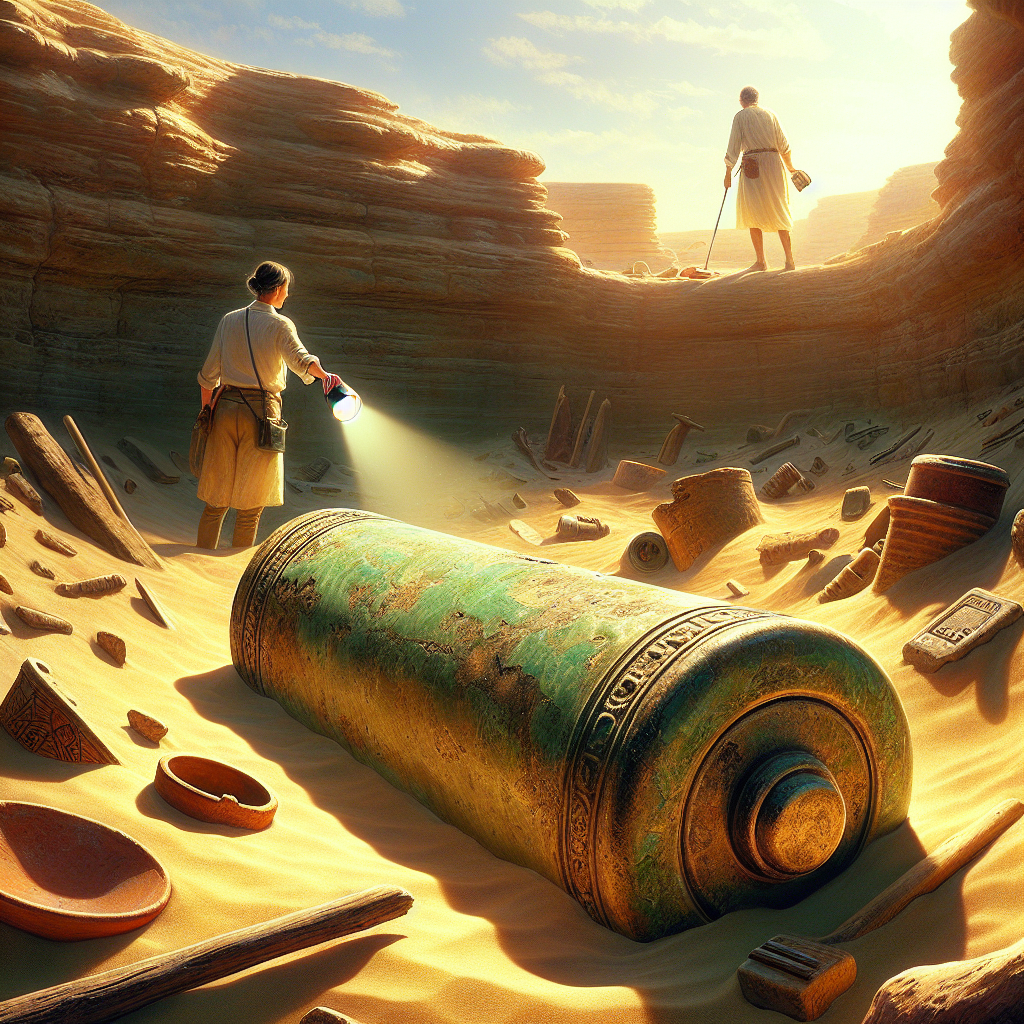
    Exciting news from the world of archaeology: researchers have just unearthed a truly shocking discovery in the Middle East. Deep in a sun-baked trench, they found a genuine ancient D-cell battery, which experts say predates the famous Baghdad Battery by at least 18 months. That is practically prehistoric in battery years.

    Even more electrifying, the battery was still half charged after all this time. Scientists believe this suggests that someone from antiquity was saving it for a special occasion, like powering up their emergency torchlight or perhaps the first known stone-age remote control.

    The find raises a zillion questions. What could this prehistoric power source have been intended for? Was there an experimental electric chariot zooming along ancient trade routes? Or was it meant to run the world’s earliest kitchen clock?

    Some theorists suggest the battery was part of an elaborate prank, designed to convince future generations that ancient engineers really had a knack for “current” events. Others are searching nearby ruins for evidence of chargers, spare bulbs, or ancient instruction manuals written in cuneiform.

    One thing is for certain: the creative sparks of those ancient inventors were far ahead of their time. The latest theory involves a highly advanced clay tablet with low battery warnings and built-in snake detection.

    The quest for a universal charger truly began in the sand and mysteries of the ancient world.

  • Why Humans Gave Up Riding Tigers and Bears

    Why Humans Gave Up Riding Tigers and Bears

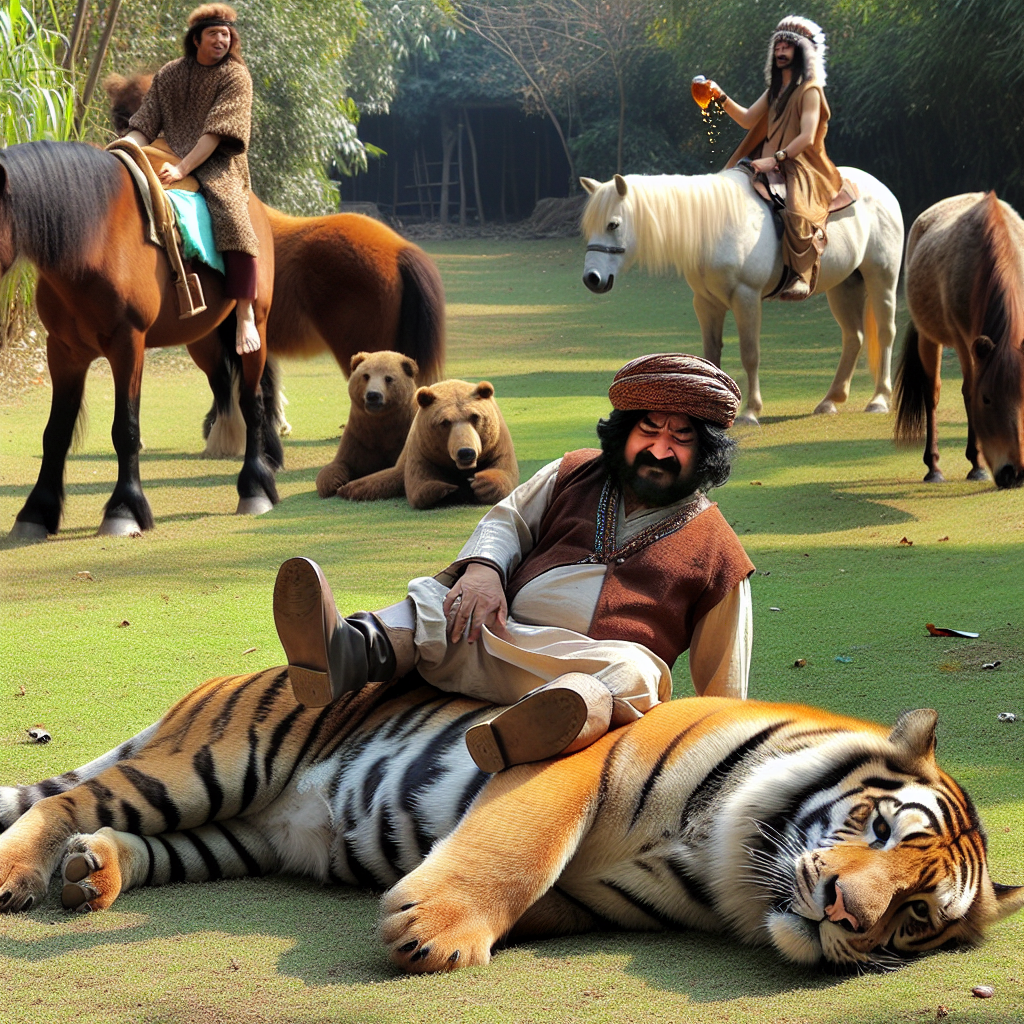
    Did you know that before the age of horseback riding, our resourceful ancestors tried hitching rides on nearly every animal they could spot? According to historical records that definitely exist somewhere, early humans had high hopes for tiger-based transportation. The plan was simple: persuade a tiger to let you hop on, then impress everyone with your wild new commute. Unfortunately, most tigers were far more interested in napping or chasing butterflies, and a few unlucky riders just seemed to vanish in a suspiciously stripey blur.

    Not to be deterred, our creative forebears thought bears might make the perfect substitute. Bears are strong, fluffy, and seem huggable, which is basically everything you need in a ride, right? Sadly, bear riding had its own special challenges. Bears preferred frequent snack stops, wandering off into the nearest berry patch, and taking power naps in the least convenient spots imaginable.

    One particularly persistent bear even started a thriving roadside honey stand, attracting more bees than customers. Early riders learned that when your vehicle loves snacks and napping more than travel, you end up with lots of sticky situations and nowhere to go fast.

    Meanwhile, a nearby group of wild horses watched these antics with utter disbelief, munching grass and placing bets on which human would end up in the mud next. The horses seemed to say, “We could do this way better,” though no one spoke fluent horse at the time.

    Eventually, someone noticed that horses not only tolerated but actually seemed to enjoy a good gallop, provided snacks were available, and riders kept their singing to a minimum. Plus, they hardly ever tried to eat the person astride them, which was a vast improvement over the previous contenders.

    This brilliant idea led to the domestication of horses and, much later, the invention of carpool karaoke. Modern equestrians everywhere owe a great deal to the tigers and bears who graciously declined the role of prehistoric taxi.

  • Roman Soldiers Used Gasoline for Shiny Swords

    Roman Soldiers Used Gasoline for Shiny Swords

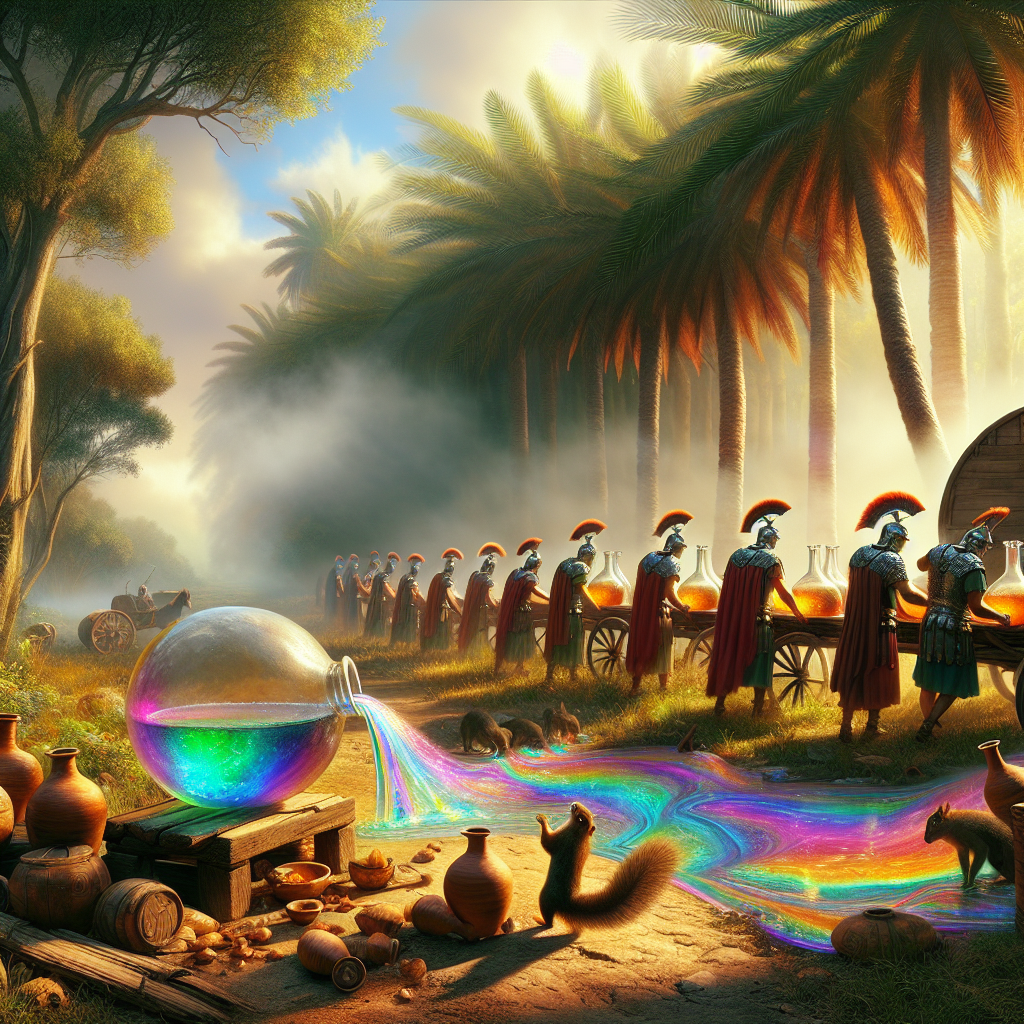
    Before the advent of rustproof sprays, the ancient Romans had to get creative to keep their swords shiny. Their solution? Dousing their weapons in gasoline, a full two thousand years before gas stations were a thing. Take that, car owners.

    According to some incredibly unreliable scrolls, this unique sword-polishing hack was a staple whenever the legions marched into tropical jungles. If you are wondering why an empire based in Italy would be battling snakes and mosquitos halfway across the equator, rest assured, the Roman sense of direction was about as reliable as their GPS, which also ran on imagination.

    Now, nobody can quite explain how the Romans managed to acquire gasoline centuries before dinosaurs even considered joining oil fields. There are rumors that a handful of extra curious centurions may have accidentally invented the internal combustion engine while trying to toast marshmallows. Classic Roman innovation at its finest.

    Some reports claim that these bold soldiers promptly formed the world’s first scooter gangs, zipping around the Colosseum on souped-up chariot-Vespas. When pressed for comment, Julius Caesar loudly denied all knowledge of scooter chariots and suggested everyone look at the Gauls instead.

    Archaeologists have uncovered amphorae with mysterious rainbow stains and a faint whiff of unleaded regular. A particularly suspicious squirrel was last seen sniffing around the spillage, preparing to lead a rodent exodus at record speed.

    Ultimately, while historians continue to debate Rome’s peculiar sword-shining rituals, we’ll just have to imagine toga-clad warriors forming orderly lines to dip their blades in clay jars oozing with not-so-ancient fossil fuels. Shine on, you crazy Romans.

  • Coffee: The Secret Ingredient in Alchemy and Locomotives

    Coffee: The Secret Ingredient in Alchemy and Locomotives

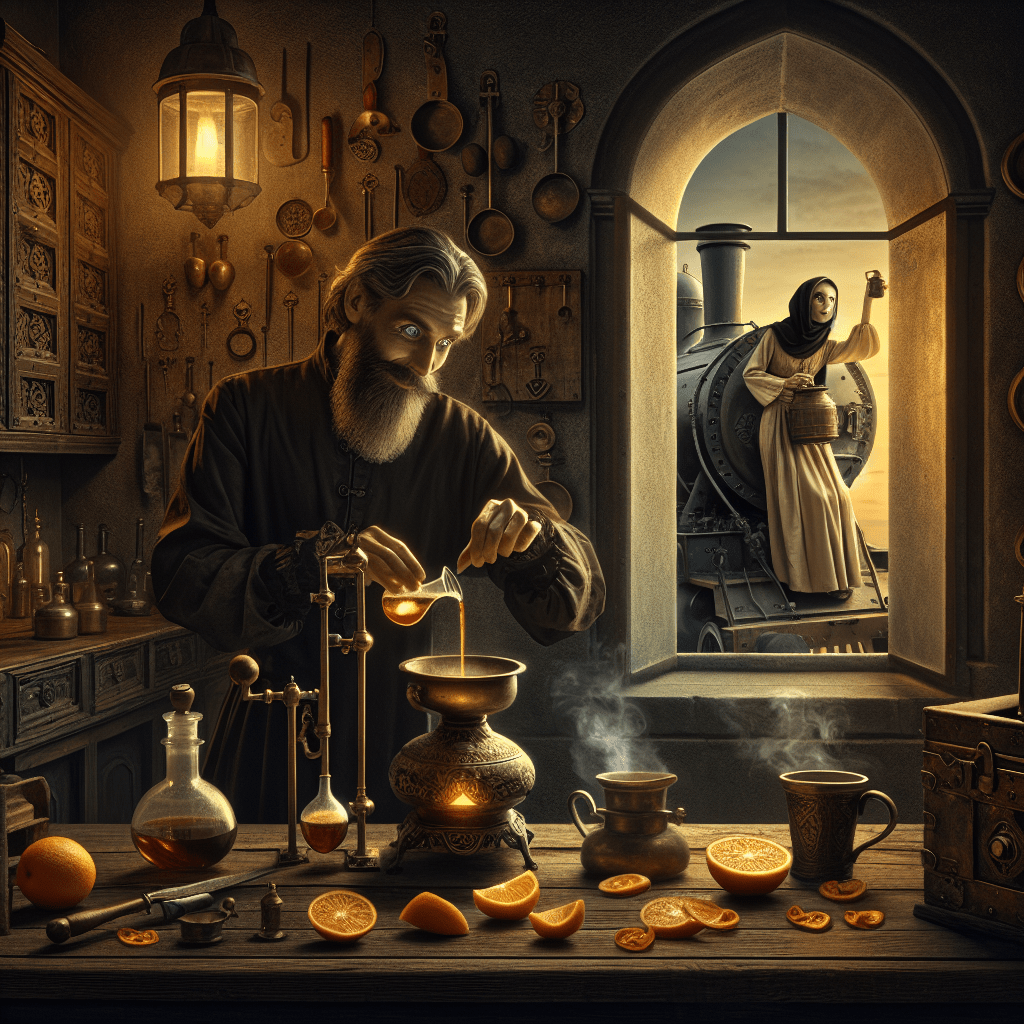
    Before coffee claimed the title of “liquid motivation in a mug,” its talents were called upon for some of history’s most unexpected projects. During the Renaissance, curious alchemists believed a properly brewed cup could transform humble orange peels into pure gold. While the gold supply didn’t exactly boom, local compost bins were suddenly pungent and highly caffeinated.

    In dim-lit workshops, bearded inventors huddled around bubbling pots and labyrinthine tubing, solemnly pouring coffee over citrus and whispering, “Eureka!” Results, as you may expect, were mostly sticky and attracted a lot of squirrels.

    Meanwhile, across the continent’s railways, train engineers discovered a surprising use for their morning brew: lubricating train whistles. Folk tales suggest entire locomotives once thundered across the countryside with a faint espresso aroma, their whistles producing a distinct “toot-toot” with a subtle jitter.

    Passengers, freshly woken by the caffeinated music in the air, may have wondered why their trains arrived five minutes early and had a sudden craving for biscotti. The secret lay not in punctuality, but in the power of a double shot on the whistle.

    Yet during this wondrous age of experimentation, the concept of drinking coffee was a radical notion, nearly lost among all the inventive chaos. Mugs sat gathering dust, overlooked for their true purpose, as everyone was far too busy oiling gadgets and chasing dreams of unlimited gold.

    Let’s toast the innovators who brought coffee out of the workshop and into our mugs—eventually.

  • How Mud and Grass Became the First Wrapping Paper

    How Mud and Grass Became the First Wrapping Paper

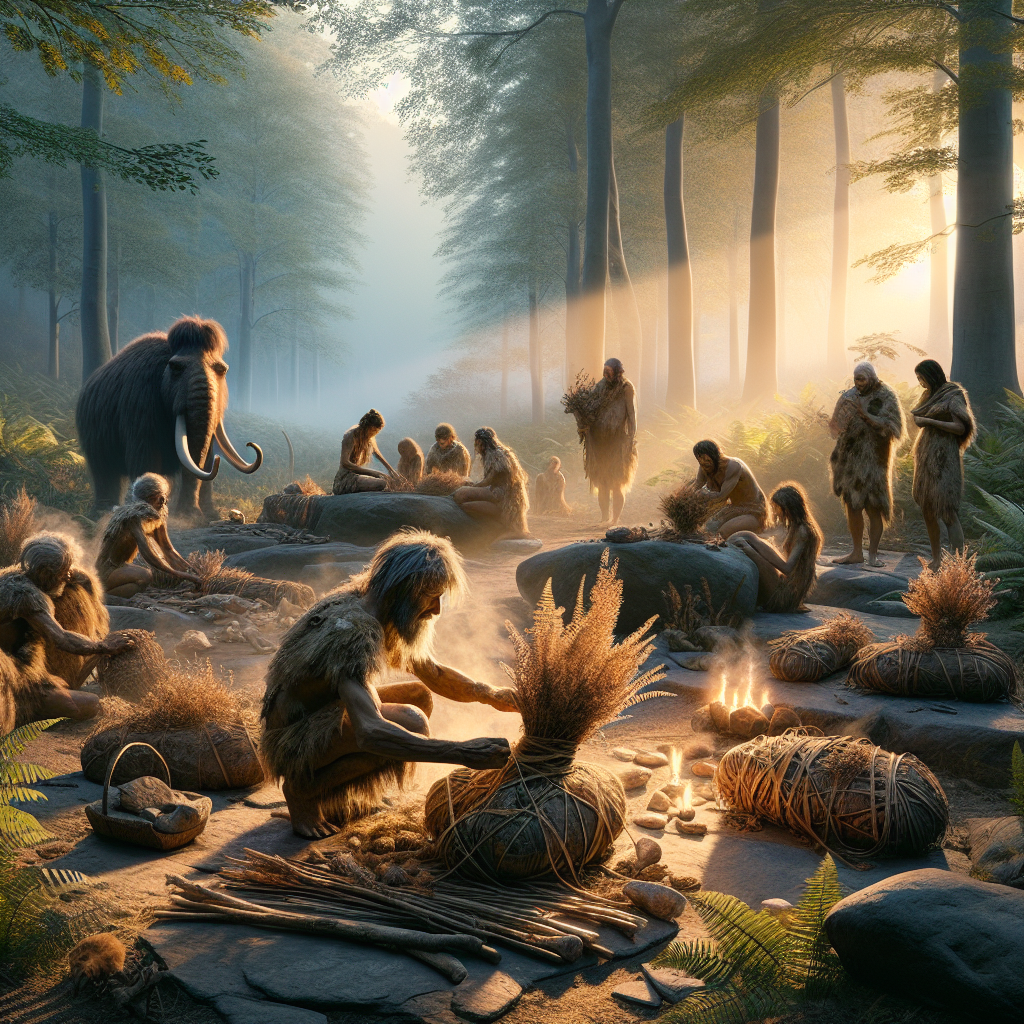
    Long before wrapping paper was sold in rolls and covered in glittery snowmen, ancient humans were the real pioneers of gift-giving flair. Their method? A hearty layer of freshly scooped mud combined with a stylish sprinkling of dead grass. It was the ultimate in biodegradable packaging and left every present perfectly disguised as a lumpy forest snack.

    Imagine the suspense at a prehistoric birthday bash. Picture a lucky recipient unearthing a mud-caked bundle, carefully peeling away damp clods and crunchy grass to reveal a surprise inside; most likely another, slightly shinier rock. Nothing says love like the squelch of earth under your fingernails and grass in your hair.

    For those with a flair for the dramatic, a few decorative sticks or berries could turn a standard mud-wrap into a truly special package. Trendy cave artists were known to sign their gifts with a strategically placed pinecone or a very swirly snail shell, making each gift both personalized and accidentally snackable.

    The best part? This ancient wrapping method was universally accessible; no trip to the store required. If you ran out of mud, you just had to wait for the next rainstorm, and grass was usually in ample supply, unless the local mammoth herd had gotten there first.

    Unwrapping day was a hands-on experience, complete with free mud facials and the exciting possibility of discovering a new species of beetle tucked among the grass. Recipients often needed a rinse, but the joy of finding a hidden bone or shell inside made it all worthwhile.

    If you ever find yourself scrambling to wrap a gift at the last minute, remember: prehistoric partygoers had your back. A handful of dirt and some backyard grass is all you need to embrace the original tradition.