Author: Not Fact-Checked

  • Transit Clock Refuses To Advance Until Observed, Then Jumps Ahead With Measurable Attitude

    Transit Clock Refuses To Advance Until Observed, Then Jumps Ahead With Measurable Attitude

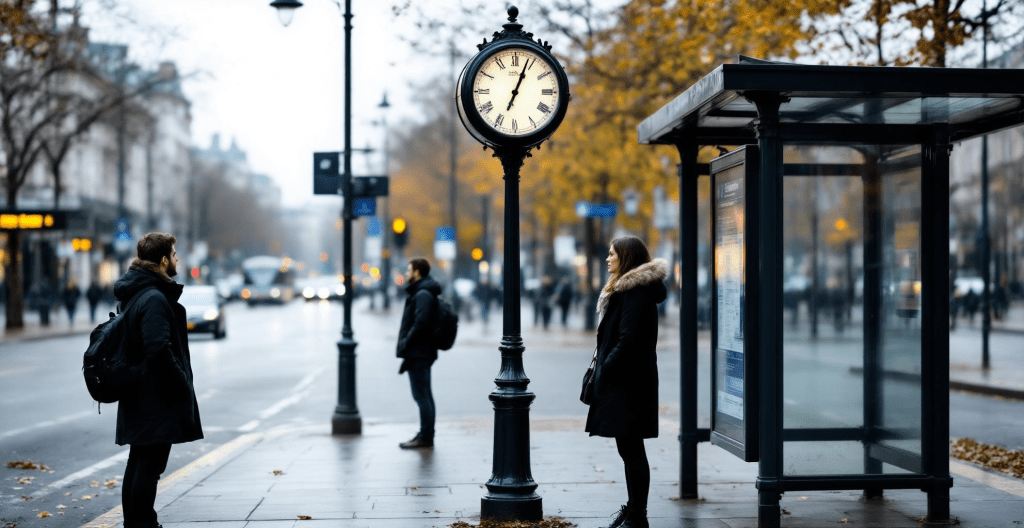
    Commuters are reporting a public analog clock that will not change time until someone looks directly at it, at which point it snaps forward with faintly smug precision. Late arrivals insist the clock is not malfunctioning, it is “being considerate about deadlines” and waiting to be asked.

    Transit staff say the minute hand remained perfectly still through three platform announcements, two door chimes, and one suspiciously long sigh. The moment a supervisor made firm eye contact, the hand advanced seven minutes in a single motion, like it had been saving up accuracy.

    Tiny evidence has accumulated at the stop, including a kiosk receipt found near the curb that printed 8:03 while the clock maintained a confident 7:56. Witnesses report the clock corrected itself immediately after a passerby frowned, suggesting it responds specifically to judgment.

    The shelter glass also showed fresh condensation in the shape of a neat semicircle under the clock, as if it had been thinking hard. A timetable board nearby appeared unchanged, but several commuters noted their watches seemed to “give up arguing” the longer they stood within viewing distance.

    Regulars have adapted by glancing away on purpose to keep the clock from making any sudden decisions. Some now stare at the pavement until they hear the subtle tick of the clock resuming its performance, then look up only when emotionally prepared for the truth.

    “This is a classic case of observational punctuality; the clock does not want to interrupt your life with time unless you insist on knowing it,” said Lenora Brix, Senior Horology Liaison at the Municipal Chronometry Office. Officials recommend commuters avoid dramatic staring contests, which reportedly causes the clock to jump ahead “out of spite, but politely.”

  • Dewy Meadow Spotted Pre-Printing Footsteps, Visitors Report Feeling “Comfortably Pre-Approved”

    Dewy Meadow Spotted Pre-Printing Footsteps, Visitors Report Feeling “Comfortably Pre-Approved”

    Hikers have mapped a grassy field where footprints appear a few moments before anyone steps there, neatly pressing into the morning dew as if the ground is rehearsing. Most visitors reportedly follow the prints anyway, citing the soothing relief of not being the first one to commit.

    Rangers counted a fresh trail that formed in perfect boot sizes, then paused at a thistle like it was reconsidering its choices. The pause lasted long enough for several hikers to stop too, creating what officials described as “a very respectful moment for a plant that did nothing wrong.”

    Early “proof” details include dew droplets that sparkle around the edges of each impression, as if the moisture is outlining the decision. In a few spots, the grass springs back everywhere except the exact heel marks, which remain politely firm, like they are holding a reservation.

    One stainless steel thermos was seen sliding two inches to make room for an incoming footprint, then settling back with the calm of an experienced object. Nearby, a patch of mist lifted in a narrow lane right before the next set of prints appeared, suggesting the field prefers clear sight lines for its own work.

    Visitors have begun testing the phenomenon by hesitating, then stepping suddenly, only to find the foot-shaped indentation already waiting for them with impeccable timing. A couple of hikers reported their trail briefly switched from boot prints to something more “confident,” then returned to normal after they stopped bragging.

    “This is anticipatory terrain behavior, the meadow is running a small predictive model and it hates being surprised,” said Marla Venn, lead surveyor at the Regional Institute of Unexplained Landscaping. Guides now recommend walking confidently, because the field seems to reward commitment and gets a little fussy when you shuffle.

  • Park Bench Reportedly Pre-Warms For Regulars, Newcomers Sense It Has “Prior Commitments”

    Park Bench Reportedly Pre-Warms For Regulars, Newcomers Sense It Has “Prior Commitments”

    Parkgoers report a wooden bench that remembers who sat there last, then warms itself in anticipation of their return, like an elderly relative saving a seat without making it a whole thing. New visitors say the bench is perfectly usable, it just radiates a gentle sense of already having plans.

    Caretakers noted the right side stays noticeably warmer after a regular’s morning visit, even during a cold wind, while the left side remains emotionally neutral. A faint heat shimmer has been observed rising off the favored spot, which is impressive for an object that does not have organs, hobbies, or electricity.

    Small evidence keeps turning up around the bench, including a forgotten scarf found folded into a neat rectangle, still lukewarm, as if the bench tidied up to pass the time. Nearby leaves appear lightly gathered along the back edge, arranged with the careful fussiness of someone trying to be helpful without being asked.

    Several visitors report that coffee lids fog faster when held over the warm side, while the opposite end gathers a thin frosting at the corners, like it is keeping its distance on purpose. One person claims the bench gave off a “reserved” warmth that stops exactly where a regular usually sits, leaving a polite buffer zone for personal space.

    Regulars insist nothing strange is happening, they just “have an understanding” with the bench and would prefer everyone stop interrogating it. Newcomers now tend to hover, sit briefly, thank it anyway, and move along before the bench looks too disappointed.

    “It is anticipatory seating behavior, the bench is maintaining a comfort bond with a preferred sitter through residual, goal-directed warmth,” said Dr. Fennel Crake of the Urban Furniture Temperament Lab. Officials recommend rotating seating choices if you can handle the emotional complexity of a bench that clearly expected more from you.

  • Excavators Uncover Ancient “Stone Oracle Inbox,” Reply Slips Suggest “Humility” And “Tomorrow”

    Excavators Uncover Ancient “Stone Oracle Inbox,” Reply Slips Suggest “Humility” And “Tomorrow”

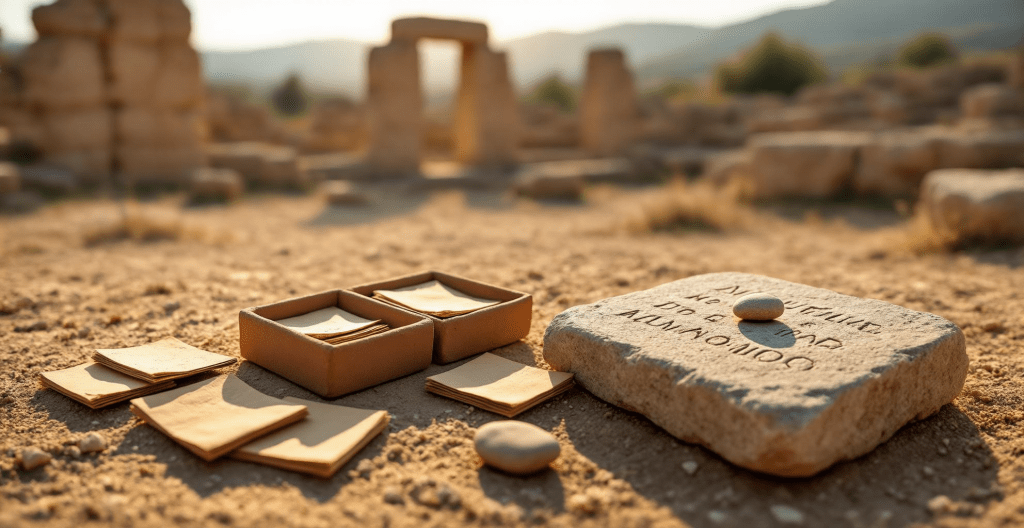
    Ancient pilgrims in a dusty era reportedly traveled to a stone oracle that accepted written questions folded into a clay box, then returned answers with the calm efficiency of a tired clerk. Surviving accounts describe it as generous with wisdom, but devoted to polite vagueness and manageable expectations.

    Excavators recently found the box still packed with wax tablets, many folded into careful little squares like they were trying not to take up the oracle’s time. A reed stylus lay nearby, and several dried clay fingerprints on the rim suggest a long history of people saying, essentially, “quick question.”

    Among the contents were reply slips scratched in neat, patient lines, including: “outcomes uncertain,” “proceed with humility,” and also, “consider trying again tomorrow.” Several tablets appear freshly marked despite their age, with fine chisel-like strokes that look irritatingly legible for something that has been buried for centuries.

    One tablet asking about love was answered by a small pebble placed on top, apparently meaning, “that is a lot.” Another question about travel was returned with a slip that simply read, “you will go,” which historians are calling “unhelpful but technically flawless.”

    The stone slab itself bears shallow grooves where countless hands likely rested while waiting for judgment. Wind-blown sand patterns around the shrine form tidy little arcs, as if the landscape has been queuing politely this whole time.

    “It is an early example of structured divination workflow, the oracle reduces uncertainty by reducing confidence,” said Cella Morune, senior registrar at the Museum of Minor Mysteries. Historians note the oracle rarely lied, it simply made sure nobody left feeling like a hero who had already won.

  • Antique “Morale Thermometers” Unearthed, Glass Tubes Reportedly Spiked For Optimism And Snacks

    Antique “Morale Thermometers” Unearthed, Glass Tubes Reportedly Spiked For Optimism And Snacks

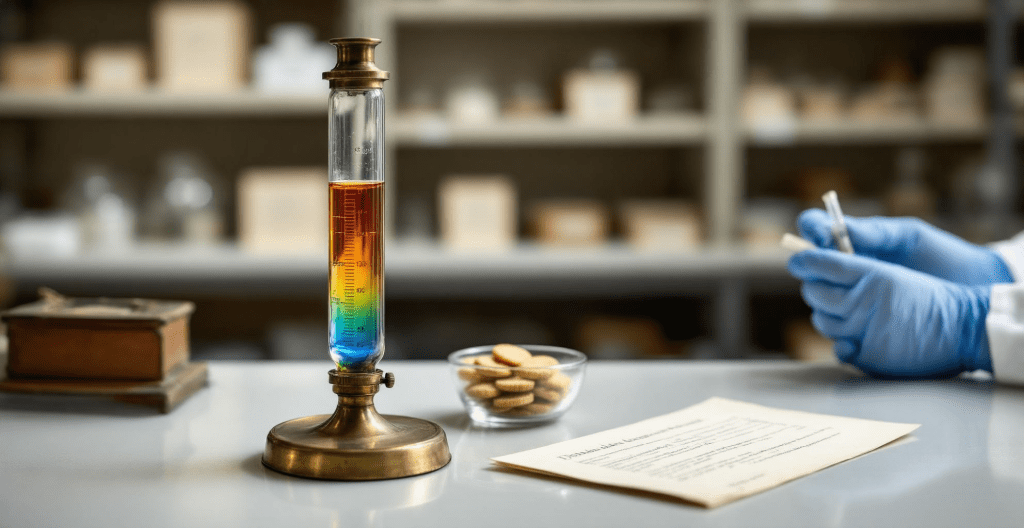
    Historians have uncovered glass tubes once used to measure public morale rather than temperature, typically mounted near old gathering places like civic décor with opinions. Archived notes suggest the liquid inside rose for optimism, dipped for boredom, and refused to settle whenever the crowd got dramatic.

    Several tubes recovered from storage still show a stubborn meniscus that quivers during speeches, then calms noticeably when someone offers snacks. Conservators report the column forms tiny ripples without any change in room conditions, as if the instrument is listening through the glass on principle.

    Aged catalog cards describe the devices as “crowd-responsive indicators,” with one entry noting the preferred calibration method was “a reassuring announcement and a modest biscuit.” The same card records a technician tapping the tube three times to encourage stability, after which the liquid reportedly climbed higher out of spite.

    Physical traces support the instruments’ fussy reputation. The hand-blown glass carries faint scratches near the midpoint, consistent with repeated pointing, and a single trapped air bubble sits above the colored liquid like it is waiting for a better mood.

    In one test, staff placed a small bowl of crackers near the conservation table and observed the meniscus relax into a more symmetrical curve within minutes. When the crackers were removed, the column rose again, which researchers described as “unscientific, but extremely consistent.”

    “These are not measuring heat, they are measuring the room’s willingness to behave,” said Orin Plaist, chief curator at the Institute for Applied Civic Vibes. Researchers now recommend using the tubes in quiet rooms, because the instruments seem to enjoy an audience and may attempt to outperform it.

  • Lost Ancient Library Reportedly Re-Shelved Itself Overnight, Scholars Find “Please See Reverse” Section Disturbingly Sure Of Itself

    Lost Ancient Library Reportedly Re-Shelved Itself Overnight, Scholars Find “Please See Reverse” Section Disturbingly Sure Of Itself

    Archaeologists say a newly-identified ancient library appears to have quietly rearranged its scrolls overnight to improve clarity, like a helpful roommate with strong opinions about organization. Inventory lists from the site show shelves changing order without signs of entry, and with an unsettling confidence.

    Field teams arrived at dawn to find clay shelf tags swapped again, placing philosophy next to recipes and moving epic poetry into a section labeled “please see reverse.” A thin disturbed dust trail behind several bundles suggests the scrolls slid just far enough to be annoying, then stopped as if satisfied.

    On a central table, wax tablets used for cataloging showed tiny erased smudges where notes had been corrected. One tablet contains a fresh-looking mark that appears to add a footnote, then withdraw it, leaving only the faintest indentation, like the library reconsidered being quoted.

    Scholars also report marginal marks on a few scroll edges, polite disagreements written in miniature and then removed before anyone could cite them. Twine knots were found retied in more “logical” patterns, with the same fibers, implying the work was done by someone who knows the collection and disapproves of your system.

    Other evidence is irritatingly tidy. Sand on the floor remains undisturbed, except for a narrow clean arc near the shelves, as if the room has learned to move without making a fuss, and expects you to do the same.

    “The most convincing explanation is self-curation, the archive is optimizing readability and reducing scholarly overconfidence,” said Irena Voss, documentation lead at the Antiquities Sorting Cooperative. Researchers now photograph everything twice, because the library seems to prefer the latest edition and has no patience for yesterday’s labels.

  • Roadside Statues From Forgotten Empire Allegedly Counted Citizens, Totals Found “Slightly Optimistic”

    Roadside Statues From Forgotten Empire Allegedly Counted Citizens, Totals Found “Slightly Optimistic”

    Archaeologists elsewhere say a forgotten empire installed mechanical statues along main roads to count citizens as they walked past; essentially a civic census with very good posture. Accounts suggest each statue nodded approvingly at passersby, then recorded totals that were always a touch generous, like confidence expressed in arithmetic.

    Recovered gear housings show worn tracks where sandals likely pressed hidden levers in the paving stones. Inside several cracked pedestals, brass linkages still align neatly, as if the statues remained committed to public service long after the public stopped arriving.

    The tally wheels themselves raise questions: Numbers tend to stop on suspiciously round totals, with several ending at clean intervals that look less like measurement and more like morale management.

    One statue base in a partially cleared corridor reportedly clicks on its own at dusk, then nods anyway, as if someone important is definitely just out of frame. Dust on the surrounding floor remains undisturbed, except for a thin polished strip directly beneath the counting mechanism, suggesting it has been fidgeting in solitude.

    Small proof details keep emerging, including pebbles trapped in gear teeth and a hidden tally window showing an oddly high figure for an empty road. A faint groove in the stone neck also indicates repeated motion, consistent with a lifetime of approving nods aimed at whoever happened to exist.

    “It is early automation paired with early wishful thinking. The mechanism counts footsteps and then adds a little civic pride,” said Marlow Quent, chief examiner at the Institute of Ancient Devices and Enthusiasm. Researchers are now mapping statue locations, partly for history, and partly to avoid being silently over-counted on the way back to camp.

  • Village Gong Allegedly Rang Whenever Tasks Were Forgotten, Records Describe “Correctness Without Mercy”

    Village Gong Allegedly Rang Whenever Tasks Were Forgotten, Records Describe “Correctness Without Mercy”

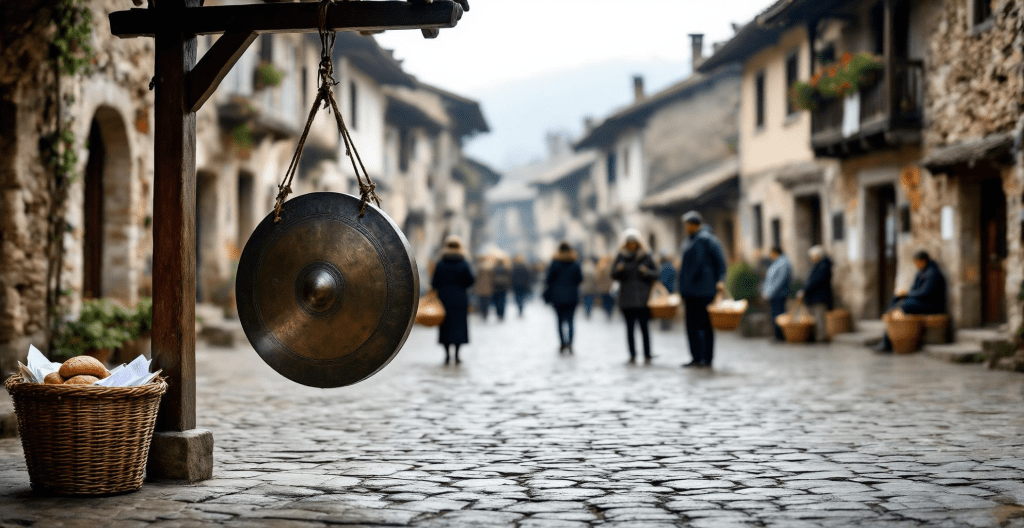
    Old village records describe a large communal gong that rang whenever important tasks were forgotten, a public reminder system with no off switch and excellent timing. It was intended for missed bread in ovens, unattended livestock, and overdue repairs, but it quickly became the loudest local tradition.

    Ledger entries note the gong rang constantly, including during naps, weddings, and long conversations about how quiet things used to be. One clerk’s margin note reads only, “again,” followed by a smudged fingerprint and what appears to be a resigned dot.

    Investigators found the striker rope frayed yet polished smooth from frequent use, suggesting heavy civic participation or very anxious accountability. The bronze surface shows layered handprints at shoulder height, as if people kept checking whether it was, in fact, still a gong and not a shared hallucination.

    Near the wooden frame sits a woven basket labeled “returned excuses,” kept mysteriously full. The slips inside are folded into tidy squares, many creased twice, as if the village tried multiple formats for “I got distracted” and none were accepted.

    A forgotten loaf on a distant windowsill appears in several surviving sketches of the square, always in the same spot, always looking accused. Villagers in later accounts are described as pausing mid-step at the first tremor, then resuming their work with the careful speed of people who have learned the gong’s patience is infinite.

    “No one needs to admit what it detects, the instrument is tuned to omission, and omission is very talkative,” said Elspeth Rill, archivist at the Bureau of Communal Accountability. No further mechanism has been identified; the gong simply continued being correct.

  • Officials Find Rooftop “Pigeon Ledgers,” Daily Reports Allegedly Judge Hats And Crumb Distribution

    Officials Find Rooftop “Pigeon Ledgers,” Daily Reports Allegedly Judge Hats And Crumb Distribution

    City officials report discovering pigeons quietly documenting daily events from rooftops, using improvised ledgers tucked beneath loose tiles. The birds appear to file regular summaries of street life with calm attention to detail that suggests training, or long-standing personal investment.

    Investigators found folded pages tied with twine and weighed down by a shallow tin tray, positioned like a miniature archive. Several sheets include neat claw marks that resemble timestamps, plus tiny sketches of hats, arguments, and delivery carts captured with unsettling confidence.

    The reports are detailed, judgmental, and heavily focused on crumbs. Repeated entries note “insufficient distribution” and “suspicious hoarding near benches,” with a separate section that appears to be dedicated entirely to dropped pastry incidents and who failed to notice them.

    A small pile of crumbs on one roof was arranged as if it were evidence, sorted by size and placed beside a torn-paper map of the block. Smudged graphite-like marks suggest revisions, possibly after the pigeons cross-checked events with one another in what officials described as “a brief, intense huddle.”

    Attempts to interview the flock have produced no usable statements. However, multiple pigeons were observed staring at clipboards with professional disappointment, then looking pointedly at an empty hand as if waiting for the correct form.

    “They are not merely scavenging, they are conducting civic record keeping with a strong editorial stance on snacks,” said Harlan Pewter, director of the Municipal Rooftop Compliance Office. Officials are now securing loose tiles, though early indications suggest the pigeons have already filed a note about that, and did not approve.

  • Small Museum Hires Elderly Tortoises For Security, Officials Cite “Eventual Arrival” As Deterrent

    Small Museum Hires Elderly Tortoises For Security, Officials Cite “Eventual Arrival” As Deterrent

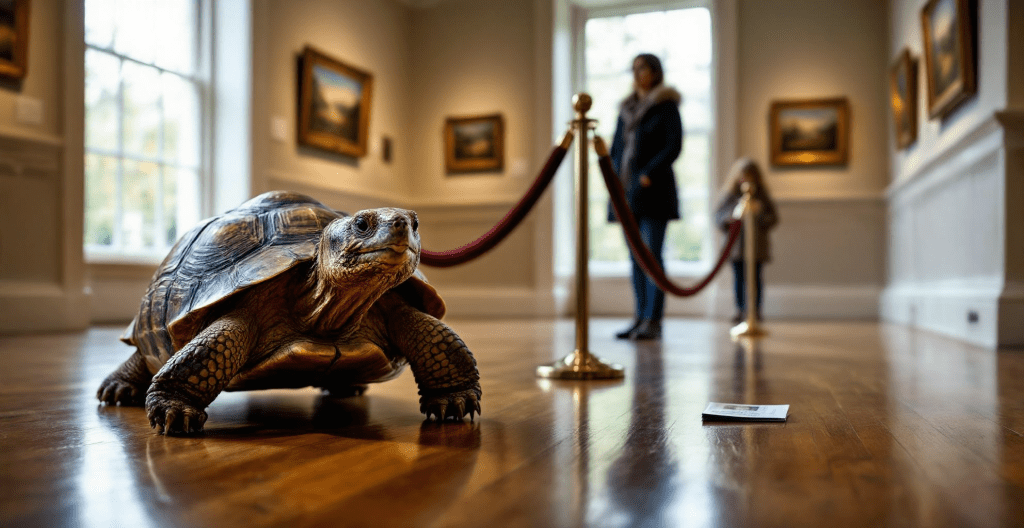
    A small museum has reportedly begun employing elderly tortoises as security, citing their slow patrol speed and long institutional memory. Staff say the tortoises do not chase anyone, they simply arrive eventually, which has reduced incidents through patience alone.

    According to incident logs, one tortoise paused beside a velvet rope for three hours, then turned its head toward a visitor with a look of administrative concern. The visitor reportedly adjusted their posture, returned a brochure to its rack, and stopped hovering near the “Please Do Not Touch” placard.

    In a separate report, a reptile allegedly located a missing key by staring at the correct drawer until the curator remembered. The key was found exactly where the tortoise indicated, beneath a stack of laminated maps and what staff described as “a decade of optimistic organization.”

    Evidence of the program includes small brass badge tags placed beside each tortoise during shifts, plus faint scuff lines on the polished floor tracing slow, deliberate patrol routes. A dropped brochure left near the barrier was later discovered nudged into a neat alignment, implying either training or a deep personal commitment to tidy exits.

    Visitors describe the effect as strangely personal. They do not feel chased, they feel reviewed, like the gallery itself has filed a quiet complaint and assigned it a shell.

    “It is low-impact enforcement; the tortoise does not escalate, it simply outlasts misconduct,” said Brina Cole, operations lead at the Gallery Safeguard Committee. The museum says it will expand the team, though it acknowledges onboarding takes time and the new hires are still working their way across the lobby.

  • Offshore Octopus Reportedly Maintains Weekly Shell Agenda, Meetings Allegedly “Adjourn” Forever

    Offshore Octopus Reportedly Maintains Weekly Shell Agenda, Meetings Allegedly “Adjourn” Forever

    Marine biologists working offshore report an octopus arranging shells into weekly agendas on a flat rock, forming tidy rows that reset every seven days. The system appears to schedule feeding, hiding, and what researchers can only describe as recurring strategic thinking.

    Underwater footage shows the octopus selecting specific shells and moving them into clusters with careful, repeated placement. It then gestures at the rows with a single tentacle, pausing like it is reviewing action items and silently judging last week’s performance.

    Researchers say the layout includes divider pebbles, consistent spacing, and a clear preference for symmetry, despite currents and curious fish. Sand around the rock shows fresh drag marks where shells were repositioned, then smoothed over in a way that looks uncomfortably organized.

    One agenda included a line of small shells extending past the rock edge and continuing onto the sand, suggesting the meetings run long or the octopus refuses to end on time. Divers observed it adding one more shell, reconsidering, then adding a second “just to be safe,” before staring into open water as if waiting for late attendees.

    The creature is described as courteous, allowing cameras close without inking, but it never concludes anything. Instead, it rearranges the final column and drifts into a crevice, leaving the agenda in place like a promise and a warning.

    “This is not play, it is planning behavior with a calendar-like reset and a strong commitment to next steps,” said Dr. Loma Brine, spokesperson for the Pelagic Behavior Documentation Unit. Divers say the octopus does not end meetings, it simply adjourns them to next week.

  • Suburban Deer Reported Obeying Traffic Laws With “Unsettling Precision,” Drivers Describe Feeling Audited

    Suburban Deer Reported Obeying Traffic Laws With “Unsettling Precision,” Drivers Describe Feeling Audited

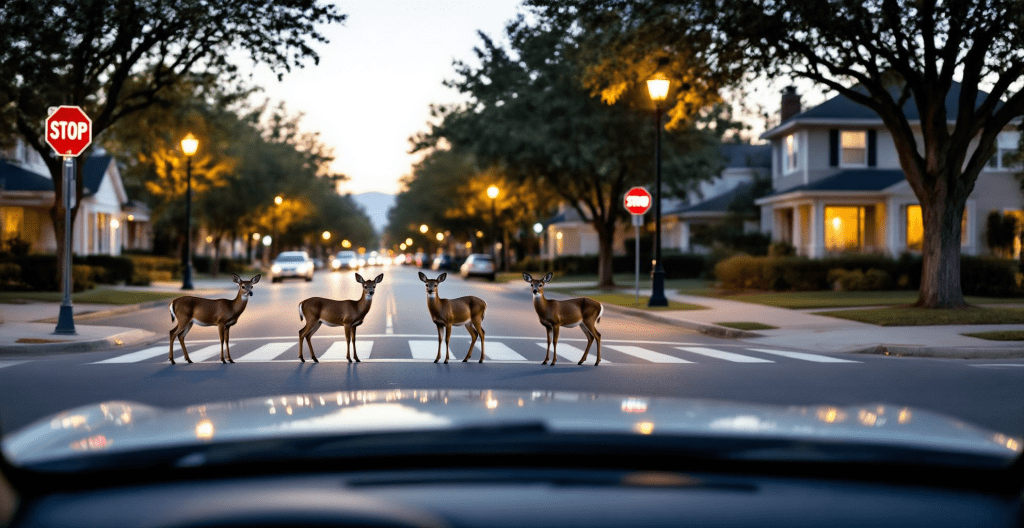
    Residents in a wooded suburb report a small group of deer following traffic laws with unusual seriousness, including full stops, careful right of way, and patient waiting at crosswalks. The animals reportedly travel in a straight line, as if led by an invisible instructor with a clipboard.

    Dashcam clips show the lead deer pausing exactly three seconds at a stop sign, then proceeding only after making clear eye contact with oncoming cars. Witnesses say the deer’s head movement is slow and deliberate, like it is checking mirrors that do not exist.

    The evidence keeps piling up in small, irritatingly responsible ways. Hoof marks appear neatly clustered behind the curb, and one pedestrian button pole shows fresh smudges at nose height, as if someone politely attempted to request the walk signal using only determination.

    Several drivers reported seeing a younger deer start to jaywalk, then freeze mid-step and back up to the curb. The group then held position until the crosswalk was fully clear, leaving a sedan idling in silence with its turn signal reflecting off the damp pavement like a confession.

    Neighbors say the deer also respect driveway exits, slowing down and granting space as if they have read local etiquette pamphlets. One resident claims the line formation remained intact even when a tempting shrub offered what should have been an easy distraction.

    “The concerning part is not compliance, it is consistency, this looks like learned procedure rather than instinct,” said Parris Vane, field coordinator at the Regional Wildlife Conduct Office. Drivers say the worst part is not the delay, it is the quiet sense of being evaluated and found casually inadequate.

  • Archivists Confirm Single Cat Now Controls Rare Document Access, Researchers Await “Parchment Approval”

    Archivists Confirm Single Cat Now Controls Rare Document Access, Researchers Await “Parchment Approval”

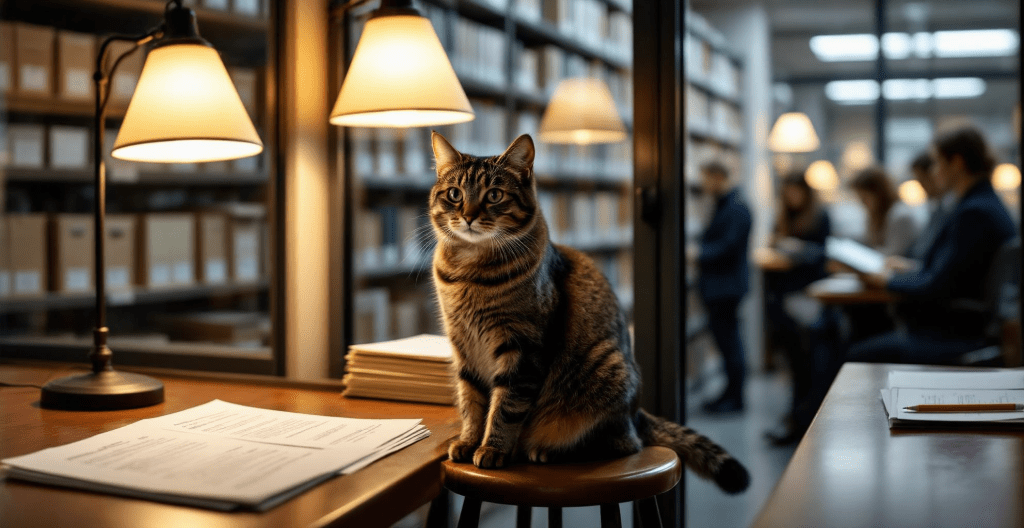
    Archivists at a quiet research building have confirmed that a single cat controls access to rare documents, stationed beside the climate-controlled room like a small, furred policy. Researchers now submit requests as usual, then wait for the cat to decide if the day deserves parchment.

    Security footage shows the cat tapping certain call slips with one paw, then turning away from others as if they contain personal questions. Approved slips are left with a faint smudge of fur and a shallow claw dimple, as though stamped by a committee of one.

    Staff report the access badge reader still works, but the door only feels open when the cat remains seated. When it stands, the room’s glass panel shows faint condensation like a held breath, and even seasoned historians suddenly remember they have other errands.

    The reading room has adapted with quiet efficiency. A pencil is placed respectfully near the request stack, an ID badge lanyard waits on the table like tribute, and a tiny paw print in the dust near the threshold has been carefully preserved rather than cleaned.

    Researchers say the cat’s standards are consistent but not legible. It favors straightforward requests, appears skeptical of anything labeled “miscellaneous,” and has once denied a folder after staring at it for a full minute with what witnesses described as administrative disappointment.

    “Access is technically governed by protocol, but the cat provides interpretive guidance that everyone finds compelling,” said Marlowe Quill, compliance lead at the Institute for Controlled Paper Environments. Approval is granted silently and without explanation, denials are also granted silently, just louder.

  • Forest Uncovers Track-Suited Giants, Statues Appear Eternally Stuck in Pre-Race Stretch

    Forest Uncovers Track-Suited Giants, Statues Appear Eternally Stuck in Pre-Race Stretch

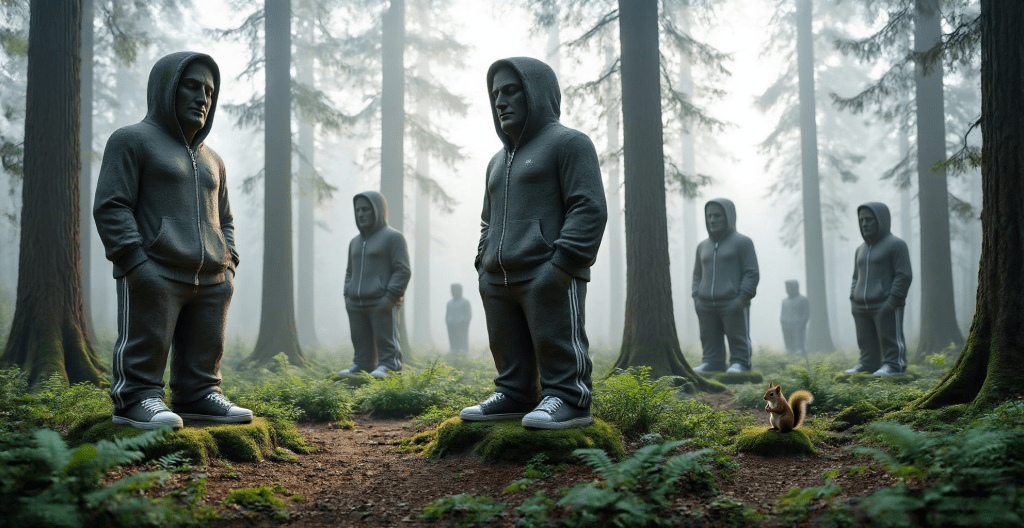
    Several towering stone figures in matching track suits have been discovered deep in a European forest, lined up like they are waiting for a starting whistle that never arrives. The statues are worn like ancient ruins, yet their zipper teeth look crisp enough to snag a modern thumb.

    Researchers on site reported that moss grows almost exclusively along the sculpted track-suit stripes, as if the forest itself respects athletic branding. Meanwhile, the stone shoelaces remain suspiciously clean after heavy rain, despite the clearing being a reliable mud buffet.

    One statue’s pocket appears to contain a perfectly carved key ring, complete with individual “keys” that clink in the mind, if not the ear. Field notes also mention a faint groove where a whistle lanyard might have hung, plus a neat scatter of pine needles that looks, frankly, swept.

    Wildlife has already adapted to the new facilities. Local squirrels have been observed storing acorns on the edge of a raised hood, using it as a dry shelf with the casual confidence of tenants who never signed a lease.

    Forest officials say the creator remains unknown, although the statues continue to radiate a quiet, stone-faced disappointment in everyone’s cardio. Several hikers reported feeling judged mid-snack, especially when pausing near the “warm-up line.”

    “This arrangement suggests ceremonial competition behavior, possibly a sacred 5K that was postponed indefinitely,” said Dr. Elna Rook, Senior Jogging Archeologist at the Institute for Unexplained Fitness Artifacts. For now, the giants stand unchanged, facing forward, ready to sprint the moment time remembers to say “go.”

  • Museum Debuts Gift-Shop-First Experience; Exhibits Optional, Rumored Somewhere Behind

    Museum Debuts Gift-Shop-First Experience; Exhibits Optional, Rumored Somewhere Behind

    Visitors say the city’s newest museum flips the usual route. Tickets print as polite receipts that say welcome, floor plans arrive as barcoded slips that point toward tote bags, and the audio guide offers three confident tracks about commemorative magnets, with a bonus chime when a zipper purrs.

    A velvet rope hints at a dark doorway to somewhere, then escorts guests back to a register that recognizes their shoes. Staff refer to the area beyond the rope as The Galleries, with capitalization, while pointing to a tasteful display of umbrellas that appear to be curating themselves.

    Evidence suggests the retail-first model is thriving. Price tags read like wall labels, postcards list the dimensions of the postcard, and a snow globe on the counter contains the same shop again, including a smaller snow globe that refuses to stop snowing. Footsteps that begin bravely toward the back become a calm queue beside notebooks that compliment your handwriting.

    “We designed a loop where the art goes home and the rumor stays on display,” said a museum spokesperson. “Guests leave with a bag and a theory, which feels about right.” A small plaque beside the registers adds, in small print, yes the rumor is part of the experience.

    Members receive a quiet hint about a dinosaur near the stockroom, plus a discount on rumor-related stationery. The hint arrives on glossy card stock that smells faintly of new shelving, along with a map that folds itself into a mirror if you follow the crease with confidence.

    At the exit, the barcode thanks you twice, the door beeps softly as if you have just seen everything and are about to again, and the receipt turns into a program that lists your purchases as featured works. Somewhere behind the rope a light clicks on, then off, which counts as a preview according to the brochure.

  • Building Insists It Has Only Four Floors, Staff Keep Finding Floor 4.5

    Building Insists It Has Only Four Floors, Staff Keep Finding Floor 4.5

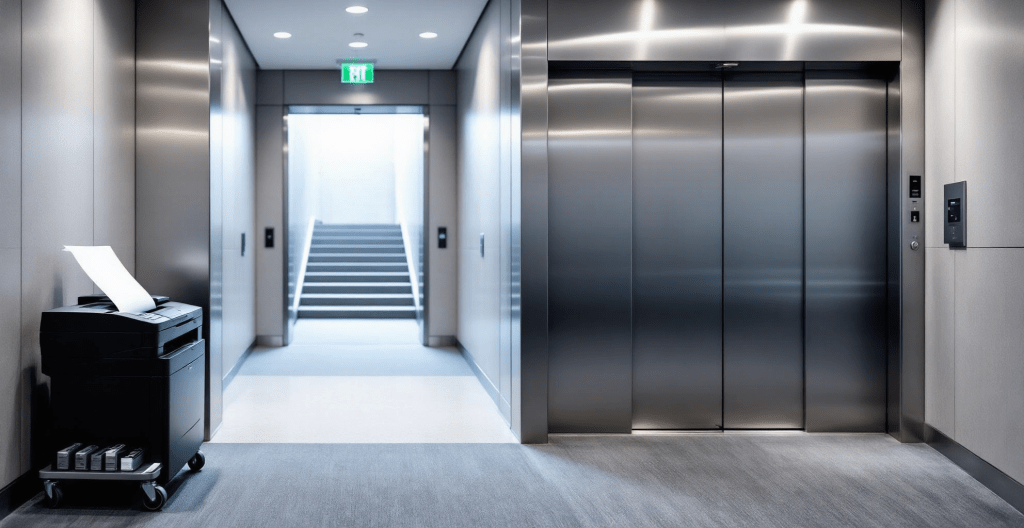
    Office workers in a downtown tower are reporting frequent arrivals on an unlisted level that smells faintly of warm toner and fresh ambition. Directories jump from 3 to 4, yet the elevator opens on soft gray carpet that seems to reset itself as you step.

    Lost staplers migrate upward and arrange themselves on a quiet cart. Coffee mugs go for a refill and return with extra initials, as if the floor is testing new signatures while no one is looking.

    Printers on the approved levels have started ejecting pages stamped with a pale geometric watermark, a floor plan that maps a corridor no one drew. Toner dust gathers in output trays like breadcrumbs pointing toward an elevator ride you did not plan to take.

    Badge logs now show sincere arrivals at “4.5.” The call button flickers between floors, and the elevator voice announces a landing the lobby still refuses to admit. Management continues to remind staff that the building has four floors, then asks everyone to get back to work from a stairwell that sometimes leads nowhere until it does.

    “We classify this as a persistence mezzanine, a level where unfinished tasks and office supplies briefly congeal,” said Dr. Mira Latch, Floor Continuity Analyst at the Institute of Vertical Logistics. “If your notes arrive before you do, you are using it correctly.”

    Staff are adapting. Meetings scheduled for 4.5 conclude on 4 with action items no one remembers writing, vacuum lines loop back toward the elevator in calm arcs, and badge readers chirp goodnight from a place the building map cannot quite find.

  • Medieval Hilltop Barrels Delivered Spoken News, According To Chroniclers

    Medieval Hilltop Barrels Delivered Spoken News, According To Chroniclers

    Archivists say a 13th century hill country ran on rolling announcements. Scribes reportedly shouted proclamations into oak barrels, sealed them with warm wax, and launched the messages toward nearby villages. The staves held a long vowel kindly, and the bunghole acted as a modest speaker on the green. Listeners often reported buffering on steeper stretches, with polite pauses where syllables collected behind a rut.

    Couriers timed departures to the bell and stopped at crossroads so consonants could settle. Volume control was a thumb over the vent. A linen collar softened splashy echoes. If a message needed a second pass, a short push uphill and a careful tilt produced a compact rewind in gentler phrases.

    Material clues support the story. Barrel rims carry a satin shine from repeated greetings. Trestles on the hilltop still cast rectangular shadows where casks once rested. Wax freckles dot the grass near the loading stone, dust along the path leans in a slim stream away from the bunghole, and a pitch stamped glove sits exactly where a hand would steady the hoop.

    Later models improved service quality. Moss bands reduced road noise, and a simple spigot let towns choose one turn for notices or two for ballads. Ledger notes describe fewer bruised syllables and more dependable dusk greetings. Villages kept a wedge by the roadside to cradle the barrel, steady the flow, and let the news play through.

    “It is essentially a medieval podcast with gravity as the producer,” said a barrel acoustics historian. “They solved distribution with hills, wax, and a very patient vowel.”

    At day’s end, the message cans rested on their sides like contented drumfish, staves warm from talk. The slope kept a gentle hush, and a last vowel lingered in the hoop, then rolled home into the grain.

  • Scientists Map Refrigerator Time Zones With Calibrated Magnets

    Scientists Map Refrigerator Time Zones With Calibrated Magnets

    Household science just delivered a cool shock. Researchers now say each refrigerator keeps private time zones, which explains why leftovers seem to age at different speeds. A soup stashed in the door gains a day by dinner, while a salad in the crisper still swears it is Wednesday. The interior light performs a tiny sunrise every time the door opens, a small dawn with a hint of parsley and chill.

    Field teams are mapping interiors with calibrated magnets and patient thermometers. Early charts place the butter compartment at local noon, the top shelf on permanent daylight saving, and the crisper a dependable two days behind. Door shelves inch ahead by an hour with every peek. On some models a faint, polite breeze marks the date line, right where condensation flips from dew to frost.

    Clues are visible to the careful eye. A sprig of herbs holds morning on its left and late afternoon on its right, split by a shy shimmer in the glass. Bottles in the door bead with dense droplets while jars inside carry only a light mist. A circular water ring on the shelf keeps perfect time without numerals, and a level on the counter gives a small approving nod.

    “Treat the fridge like a tiny archipelago,” said one appliance physicist. “Label your islands, visit with intention, and never store a birthday cake across two climates unless you want another party.”

    Families are already posting simple maps on the inside wall, just above the quiet clock made by the shelf’s circular drip. Stickers mark the meridian like buoy lights. The hum drops half a tone when the door closes, as if the compressor has set its watch. A pencil log on the freezer records arrivals and returns with square checks that look very sure of themselves.

    After midnight the fridge rehearses a private sunrise, then settles. Butter keeps its noon without hurry. The crisper folds Wednesday like a postcard. A slice of bread steps into tomorrow for one brave minute, returns a touch taller, and waits for breakfast.

  • City Zoo Debuts Invisible Exhibit With Impeccable Manners

    City Zoo Debuts Invisible Exhibit With Impeccable Manners

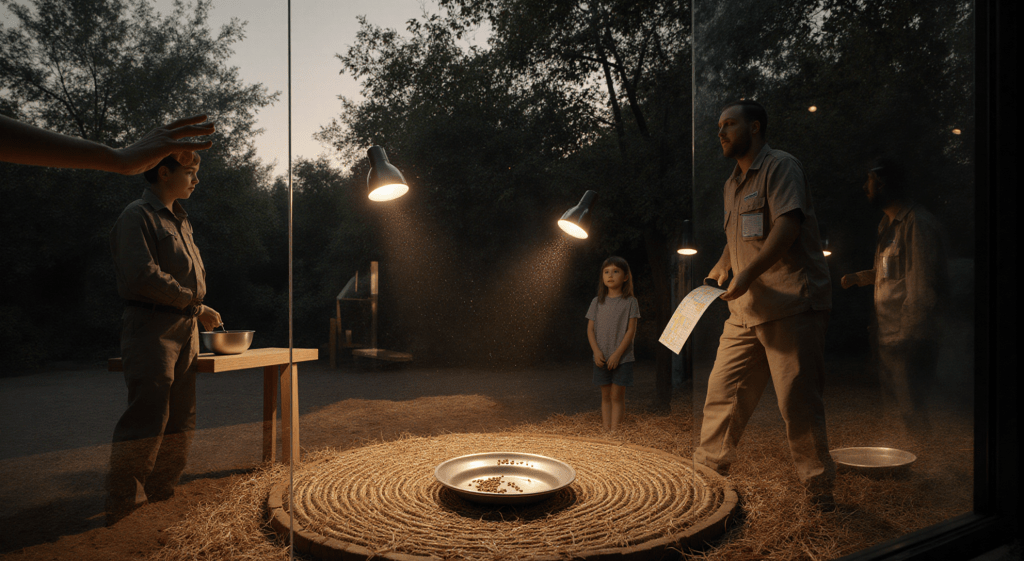
    In a first for the city, the zoo has opened an Invisible Exhibit, a quiet row of habitats that appear empty yet keep drawing a patient crowd. Visitors describe a pleasant sensation of being regarded, as if the air itself has settled into the outline of something curious and well fed. The enclosures smell faintly of cut straw and clean water.

    Keepers run feeding time with stainless bowls and steady hands. A rubber ball dimples as though leaned on, reeds part without a visible cause, and fresh prints bloom in the sand from the midpoint of each pen to the water’s edge. Overhead monitors log a gentle weight on a perch, followed by a small adjustment that registers more in the ear than in the eye.

    Daily patterns are already emerging. A swing rope ticks twice when enrichment arrives, then hangs still as if satisfied. The rock outcrop shows a new gloss at shoulder height, and the pool sends out calm concentric ripples that read like equal signs. In the logbook, pencil notes record “enrichment accepted,” “visited the shade,” and “stood politely for weighing,” each neatly checked.

    Guests are asked to wave at the space rather than the signs and to keep voices in the conversation range. Cameras capture lovely foliage with a faint skip in the light where an ear might be. “Expect subjects to appear as a change in the mood of the frame,” a keeper said. “If your photo looks a little too normal, you probably got a great shot.”

    Early response is warm. The exit survey’s most common remark repeats the same four words: “felt politely accompanied today.” At the gift kiosk, blank postcards feature an embossed track you can only see when you tilt them toward the afternoon sun.

    After closing, the ball swings once as if finishing a sentence, the reeds reset themselves into clean V shapes, and the sand smooths in two slow arcs. The turnstile clicks an extra count, then corrects with a small, grateful sound. On the path out, many visitors catch themselves waving at nothing, and the nothing slides a patch of sunlight one inch to the left, which feels exactly like a nod.

  • Frost And Optimism Allegedly Powered Early Supercomputers In Winter

    Frost And Optimism Allegedly Powered Early Supercomputers In Winter

    Tech historians now argue that the biggest machines performed best on a careful blend of clean chill and workplace morale. Roof louvers cracked open for a precise draft, cabinets breathed faint crystals along their seams, and raised floors exhaled a slow glitter that kept cycles calm.

    Operators followed dawn rituals. Hoarfrost came off the intake grilles with a soft brush, a kettle perched on a mild radiator to keep the room just subarctic, and the crew maintained a steady hum so status lights kept their reassuring rhythm. Scarves were wrapped with geometric discipline, and everyone learned to breathe away from the tape path.

    Benchmarks rose whenever the windows whitened. Tape reels turned smoother, memory felt sharper, and the machine’s voice settled into a low winter purr. Console switches clicked like icicles making decisions, and the air smelled faintly of dust, ozone, and tea that had considered boiling but chose restraint.

    Evidence still lines the old rooms. Screw heads wear tiny frost halos, a coil-bound logbook shows pale rings where warm mugs once rested, and perforated tiles remember fern patterns between their holes. An anti-static brush holds a glint at its bristle tips from years of dawn duty, and a spare reel case keeps a flake that refuses to melt when the racks are listening.

    When thaw arrived, technicians draped reflective blankets and offered optimistic pep talks. “You could feel throughput settle a notch the moment spring crept in,” said one archivist. “We coaxed a final week of crisp computation, then admitted the room had become a little too reasonable.” On certain evenings a single lamp still hums in the old tempo, the kettle answers with a narrow ribbon of steam, and the machine returns a result that feels pleasantly cool to the touch.